Advanced Science of Hair Density and Growth Serums
Biological Growth Pathways
The Growth Phase Engine
Hair growth isn't a constant, steady process. It happens in cycles, and the most critical stage is the anagen, or growth, phase. The entire goal of advanced hair care is to extend this active period for as long as possible. A longer anagen phase means your hair can grow to its maximum potential length and contributes to overall thickness.
The anagen phase of hair growth is the growth phase—the longest and most important stage in the hair cycle.
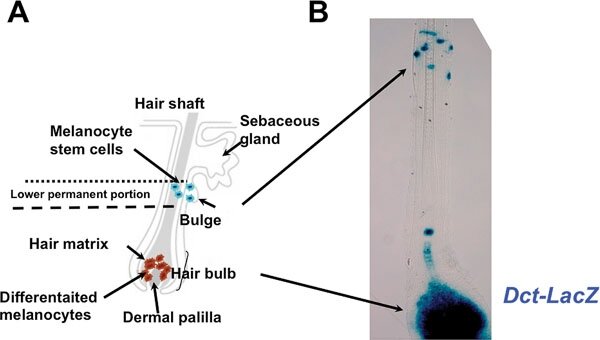
The command center for this operation is a small, specialized group of cells at the base of the hair follicle called the dermal papilla. Think of it as the follicle's brain. These cells send signals that dictate when the anagen phase begins, how long it lasts, and when it's time to transition to the next stage. Stimulating these cells is the key to waking up dormant follicles and encouraging robust growth.
Waking Up the Follicle
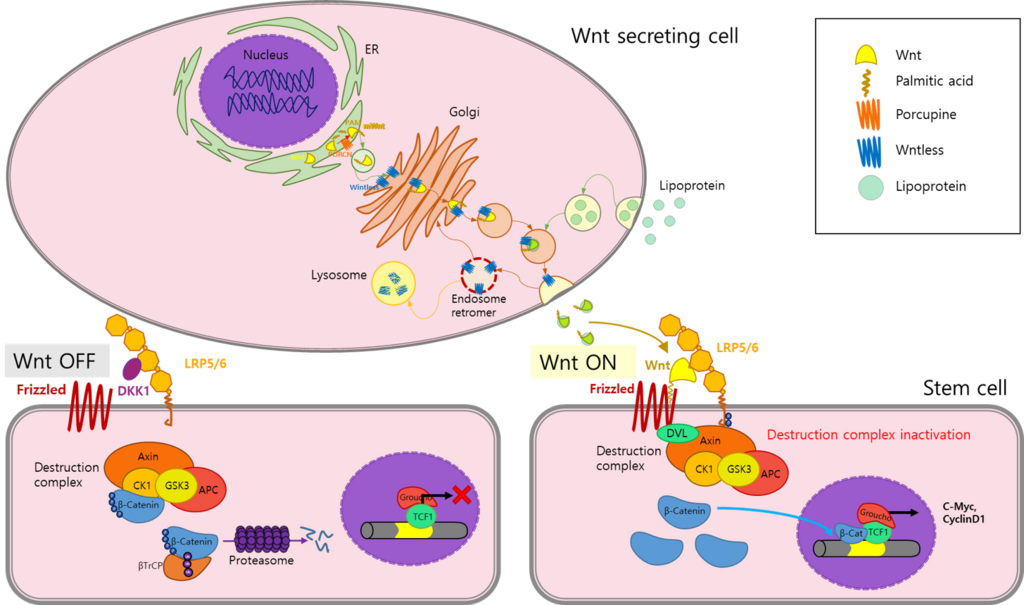
So, how do the dermal papilla cells actually kickstart growth? They use a complex communication network, with one of the most important channels being the . In simple terms, this pathway acts like a switch. When it's turned on, it triggers a cascade of events that instructs the stem cells in the follicle to start dividing and creating a new hair shaft.
High-performance hair serums often contain active ingredients specifically designed to activate or support this pathway. By essentially flipping the 'on' switch, they encourage follicles that have become dormant to re-enter the anagen phase and start producing hair again.
The Miniaturization Threat
One of the primary antagonists to the anagen phase is a hormone called (DHT). In genetically susceptible individuals, DHT binds to receptors in the dermal papilla cells. This binding sends a signal that shortens the anagen phase and, over time, causes the entire hair follicle to shrink, or 'miniaturize.'
Each growth cycle produces a finer, shorter, and less pigmented hair, until eventually, the follicle stops producing hair altogether. This is the biological process behind common pattern baldness. Modern hair treatments often include ingredients that act as DHT blockers, either by inhibiting the enzyme that creates it or by preventing it from binding to the follicle's receptors. This intervention protects the follicle from miniaturization and allows the anagen phase to proceed without interruption.
To sustain this active growth, the follicle needs a robust supply of nutrients and oxygen. This is where blood flow, or microcirculation, becomes critical. The dermal papilla is connected to tiny blood vessels that deliver everything the follicle needs to build a strong hair fiber.
Poor microcirculation can starve the follicle, leading to weaker hair and a shortened growth phase, even in the absence of DHT.
A key molecule for promoting this blood supply is the (VEGF). This is a signaling protein that stimulates the formation of new blood vessels, a process called angiogenesis. By boosting VEGF levels in the scalp, treatments can enhance nutrient delivery to the dermal papilla, ensuring the hair follicle has the fuel it needs to remain in the anagen phase and produce healthy, dense hair.
Now, let's test your understanding of these crucial growth pathways.
What is the primary goal of advanced hair care in relation to the hair growth cycle?
Which part of the hair follicle acts as the 'command center' that dictates the start and duration of the anagen phase?
Understanding these pathways reveals why effective hair treatments are rooted in deep biological science. It's a complex interplay of stimulating growth signals, blocking inhibitors, and ensuring a healthy, well-nourished environment for every follicle.