Advanced Scholarship of Teaching and Learning
Advanced SoTL Research Designs
Choosing Your Research Path
Once you have a compelling research question, the next step is to choose a design that can answer it effectively. In the Scholarship of Teaching and Learning (SoTL), we often move beyond simple surveys or reflections to more structured approaches that can provide stronger evidence for our claims about student learning. The design you select shapes your entire study, from how you collect data to the conclusions you can draw.
Three powerful approaches are common in advanced SoTL work: experimental designs, quasi-experimental designs, and mixed-methods. Each has its own strengths and is suited for different kinds of questions and contexts.
Experimental Designs
In a true experimental design, researchers test the effect of an intervention by comparing two or more groups. The defining feature is random assignment. Participants are randomly placed into either a control group, which doesn't receive the intervention, or an experimental group, which does. Think of it like a clinical trial for a teaching strategy.
For example, you could randomly assign students in a large introductory biology course to two groups. One group (experimental) uses a new virtual lab simulation, while the other group (control) uses the traditional hands-on lab. You would then compare their final exam scores on lab-related concepts.
Random assignment is powerful because it helps ensure that, on average, the groups are equivalent before the study begins. This minimizes the chance that other factors, like prior knowledge or motivation, are the real cause of any differences you find. It's the best way to establish a cause-and-effect relationship between your teaching intervention and a learning outcome.
Random Assignment
noun
A procedure used in experiments to create multiple study groups that include participants with similar characteristics so that the groups are equivalent at the beginning of the study.
However, true experiments can be difficult to implement in educational settings. It's often not practical or ethical to randomly assign students to different teaching methods, especially if one is believed to be better than the other. Imagine telling half your students they can't use a resource you think will help them learn.
Quasi-Experimental Designs
When random assignment isn't possible, a quasi-experimental design is the next best thing. These designs also involve comparing groups, but the groups are pre-existing and not formed randomly. This is a common scenario in education.
For example, you might implement a new collaborative learning strategy in your 9:00 AM section of a course and use your 11:00 AM section, which uses the standard lecture format, as the comparison group. The groups aren't randomly assigned; they were formed by the course registration system.
Because you didn't use random assignment, you can't be as certain that the groups were equivalent to begin with. Maybe students who register for 9:00 AM classes are systematically different from those who register for 11:00 AM classes. To account for this, quasi-experimental studies often use pre-tests to measure the groups' baseline knowledge or skills. If you can show the groups were similar on the pre-test, it strengthens your claim that the intervention caused any differences seen on the post-test.
Quasi-experimental designs offer a pragmatic compromise, providing a good degree of rigor within the real-world constraints of a classroom.
Mixed-Methods Approaches
Sometimes numbers alone don't tell the whole story. A mixed-methods design intentionally combines quantitative data (the 'what') with qualitative data (the 'why' and 'how') to gain a deeper, more comprehensive understanding of a learning phenomenon.
Imagine your quasi-experimental study showed that the collaborative learning strategy led to higher test scores (quantitative data). That's great, but why did it work? To find out, you could conduct focus groups with students or analyze their written reflections (qualitative data). This might reveal that students felt more engaged, learned from their peers' perspectives, or felt less anxious about asking questions.
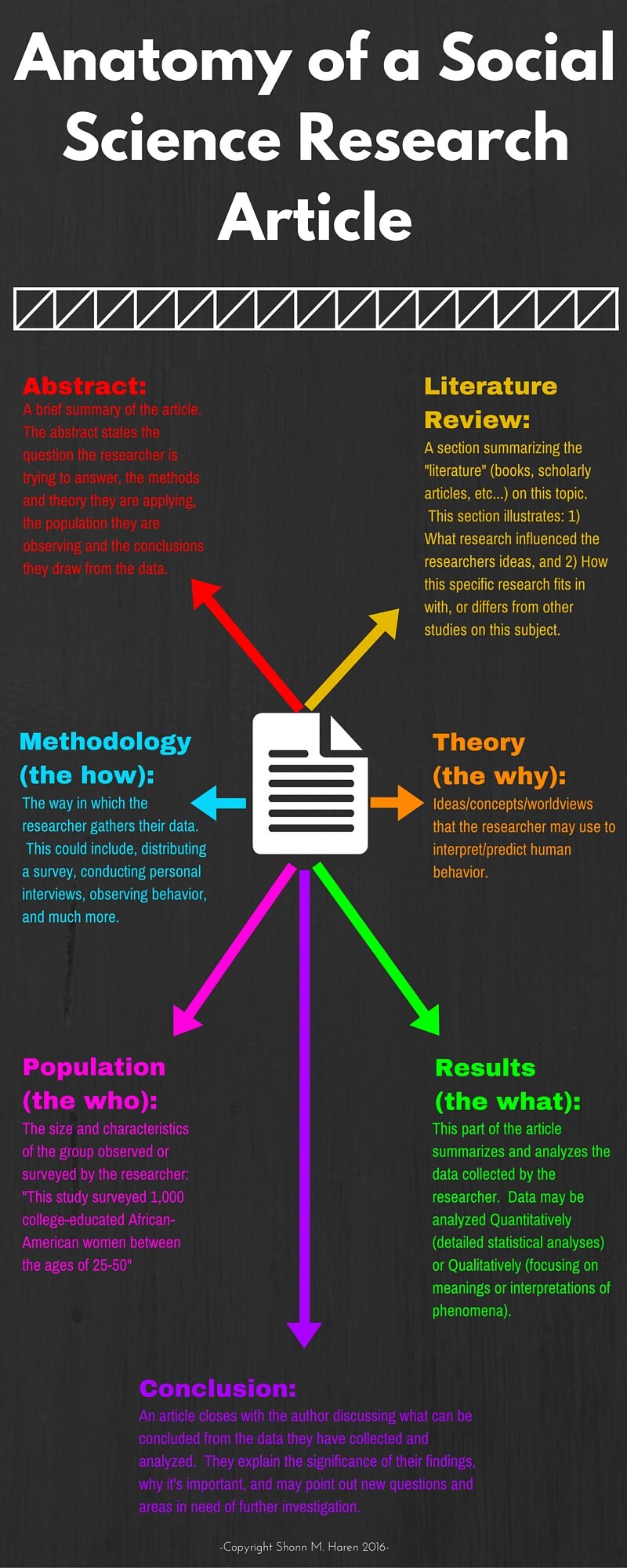
Combining these data types provides a much richer picture. The quantitative results show the strategy was effective, and the qualitative results explain the mechanisms behind that effectiveness. This approach allows you to not only measure change but also understand the experience of change from the students' perspective.
Choosing the Right Design
So, which design should you choose? Your research question is your guide. The table below offers a simple way to think about the best fit.
| If your question is about... | Consider using a... | Because... |
|---|---|---|
| The cause and effect of a specific, new intervention | True Experiment | It's the best design for isolating the impact of one variable. |
| Comparing an intervention across existing groups | Quasi-Experiment | It's more practical when you can't randomize students. |
| Understanding the process and outcomes of an experience | Mixed-Methods | It combines numerical data with human experience for a complete picture. |
Your context also matters. Consider what's feasible in your classroom, what kind of data you can realistically collect, and what ethical considerations are at play. A well-chosen design is one that not only answers your question rigorously but also respects the realities of your teaching environment.
What is the defining feature of a true experimental design that distinguishes it from a quasi-experimental design?
A professor wants to test a new peer-review technique. They implement it in their 9:00 AM course section and use the traditional method in their 11:00 AM section. They compare final essay scores between the two sections. What type of research design is this?
By carefully selecting and implementing a research design, you can produce credible and insightful findings that contribute to our collective understanding of teaching and learning.