Advanced Roll-I Nutrition Protocols
Roll-I Metabolic Mechanics
Beyond the Static Deficit
Traditional dieting follows a simple, linear path: eat less, move more, and maintain a consistent caloric deficit. While this works in the short term, the body is a remarkably adaptive system. When faced with a prolonged, steady drop in energy intake, it doesn't just burn fat indefinitely. It fights back by slowing down its internal engine to conserve energy, a process known as metabolic adaptation or adaptive thermogenesis.
This is a primal survival mechanism. Your body interprets a sustained deficit as a famine, so it becomes more efficient, burning fewer calories to perform the same tasks. Your Basal Metabolic Rate (BMR), the energy you burn at rest, begins to decline. This is why many people hit a weight-loss plateau despite sticking to their diet. The deficit that once worked is no longer effective because the body has lowered its daily energy requirement. The Roll-I methodology is designed specifically to counteract this effect by avoiding the long, unbroken signal of scarcity.
Cycling for Sensitivity
Instead of a constant deficit, Roll-I uses nutritional oscillation. By cycling between periods of lower and higher caloric intake, it prevents the body from fully down-regulating its metabolism. The key isn't just about calories, but about hormonal signaling. One of the most important hormones in this process is insulin.
Prolonged dieting can sometimes affect how effectively your body uses insulin. However, the cyclic nature of Roll-I can improve insulin sensitivity. During the higher-intake periods, your muscles can fully replenish their glycogen stores. This signals to the body that energy is available, making cells more receptive to insulin's message when you return to a deficit. Improved insulin sensitivity is crucial for better —encouraging your body to store nutrients in muscle tissue rather than as fat, and to more readily access fat stores for energy.
The Hormonal Seesaw
Beyond insulin, two other key players in this metabolic drama are leptin and ghrelin. Leptin is produced by fat cells and signals satiety to the brain—it tells you you're full. Ghrelin is produced in the stomach and does the opposite; it's the hunger hormone.
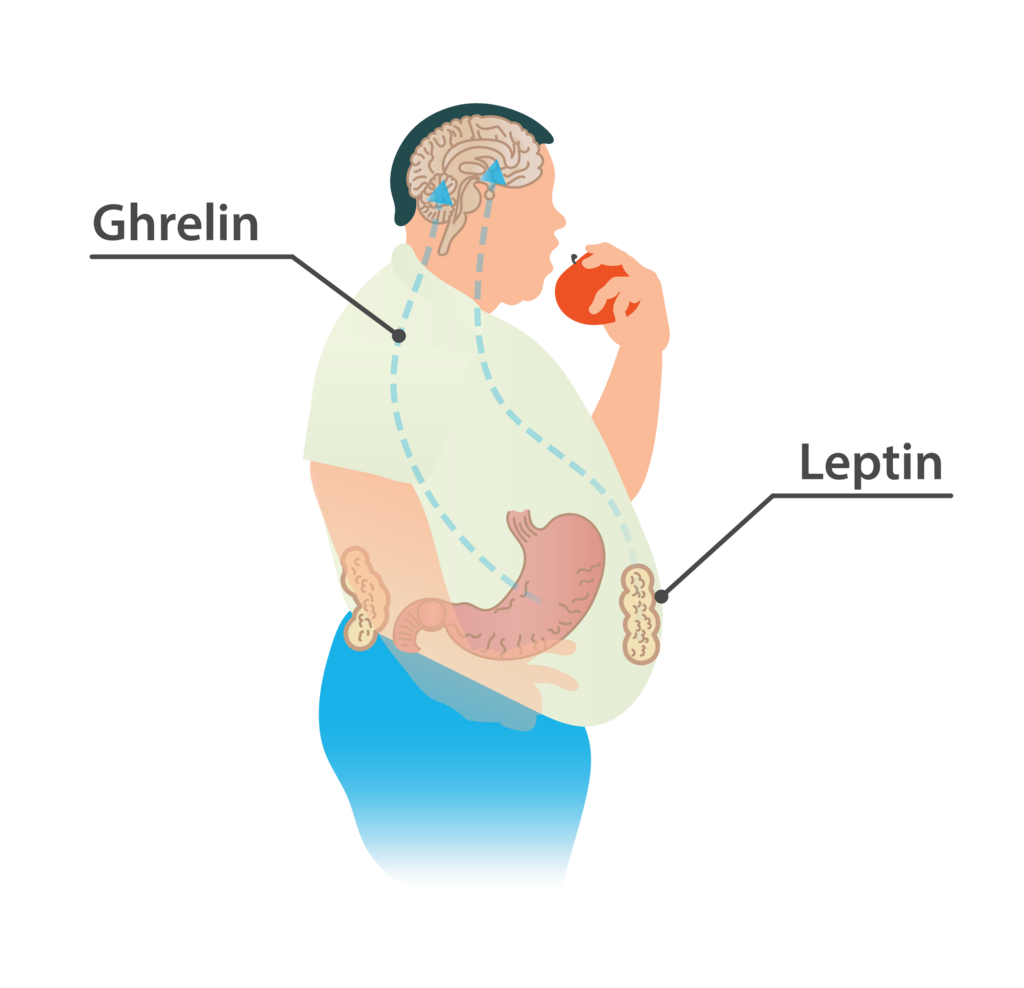
In a steady-state diet, as you lose body fat, leptin levels fall, and ghrelin levels rise. You become hungrier and less satisfied by your meals. This hormonal double-whammy is a primary reason why long-term adherence to restrictive diets is so difficult. Roll-I's intermittent periods of higher intake help to reset these hormones. Even a short-term increase in calories can boost leptin and suppress ghrelin, making the subsequent deficit periods psychologically and physiologically more manageable.
This oscillation also impacts the (TEF), which is the energy your body expends digesting, absorbing, and processing nutrients. TEF accounts for about 10% of your total daily energy expenditure. While a lower intake naturally means a lower absolute TEF, the periodic higher-intake days in Roll-I, particularly when rich in protein, create a more significant metabolic spike. This helps keep the overall metabolic rate elevated and, crucially, provides the resources to preserve lean muscle mass, which is the most metabolically active tissue in your body.
| Mechanism | Steady-State Deficit | Rolling Intervention (Roll-I) |
|---|---|---|
| Metabolic Rate (BMR) | Gradually declines (adaptation) | Preserved or minimally reduced |
| Insulin Sensitivity | May decrease over time | Improved through cyclic feeding |
| Leptin/Ghrelin Levels | Leptin drops, ghrelin rises | More stable, reset during high periods |
| Muscle Preservation | Higher risk of muscle loss | Better preservation of lean mass |
Now, let's check your understanding of these metabolic mechanics.
What is the primary reason traditional, linear diets often lead to a weight-loss plateau?
How does the Roll-I methodology's use of nutritional oscillation help manage the hunger and satiety hormones, leptin and ghrelin?
Understanding these mechanisms shows why Roll-I is not just about counting calories, but about managing your body's intricate metabolic and hormonal responses to nutrition over time.