Advanced Rodent Surgery for Biomedical Micro-Sensor Implantation
Pre-Operative Planning
Setting the Stage for Surgery
Success in delicate rodent surgery, especially for implanting micro-sensors, is determined long before the first incision. Meticulous planning is not just a preliminary step; it's the foundation of the entire procedure. Every detail, from the choice of instruments to the layout of the surgical area, directly impacts the outcome and the well-being of the animal.
With any invasive procedure, preparation is the key to a successful outcome.
Tools of the Trade
Working with rodents requires specialized, fine-tipped instruments. A typical surgical pack includes:
- Scalpels and blades: For making precise incisions.
- Fine-tipped forceps: For grasping and manipulating delicate tissues.
- Small scissors: For cutting tissue and sutures.
- Hemostats: To clamp blood vessels and control bleeding.
- Wound clips or suture material: For closing the incision.
- Small retractors: To hold back tissue and expose the surgical site.
All instruments that will come into contact with the animal must be sterile. The most common method is using a steam autoclave, which uses high-pressure saturated steam to kill all microorganisms. If an autoclave isn't available, other methods like dry heat sterilization or chemical sterilants can be used, but they must be validated for effectiveness.
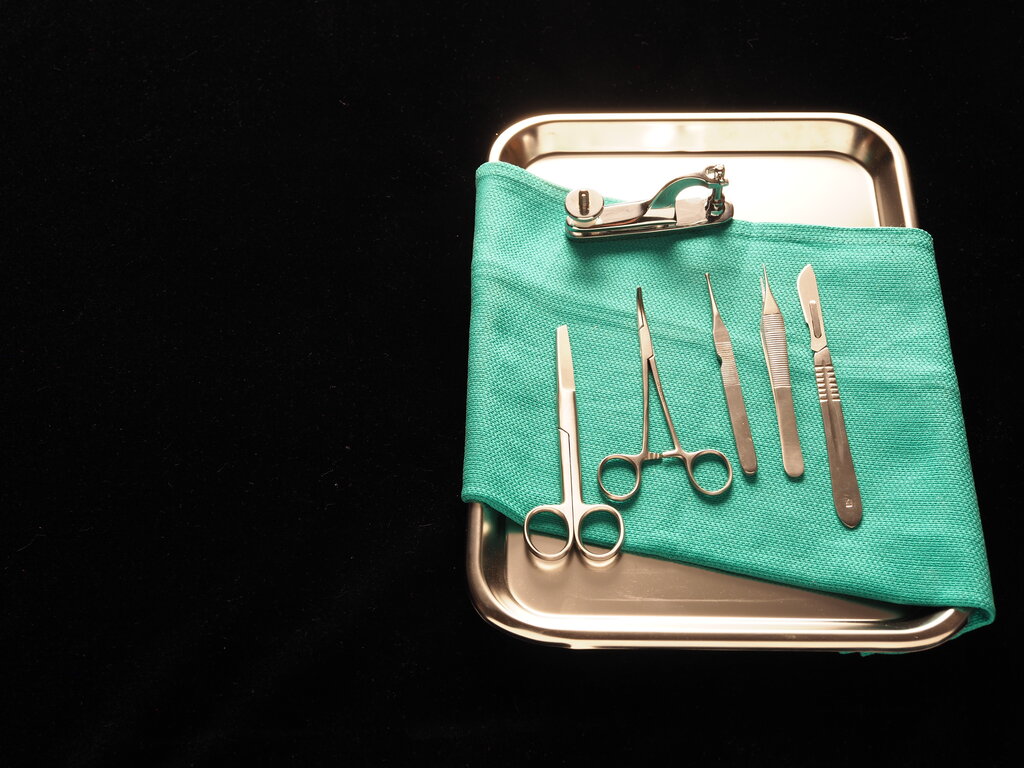
There is no such thing as 'mostly sterile.' Contamination compromises the research and the animal's health.
Mapping the Procedure
Before starting, you need a clear, step-by-step plan for the surgery. This surgical approach is your roadmap. It involves visualizing the entire procedure from start to finish. Key considerations include the precise location of the incision, the path to the implantation target, and the method of securing the micro-sensor. For brain implants, this often involves using a stereotaxic frame to achieve millimeter-perfect accuracy.
The plan should aim to be as minimally invasive as possible. This means choosing the shortest and least traumatic path to the target tissue. It also involves planning the closure in a way that promotes quick and uncomplicated healing. Having a detailed plan reduces surgical time, minimizes blood loss, and lessens the anesthetic burden on the animal.
Preparing the Environment
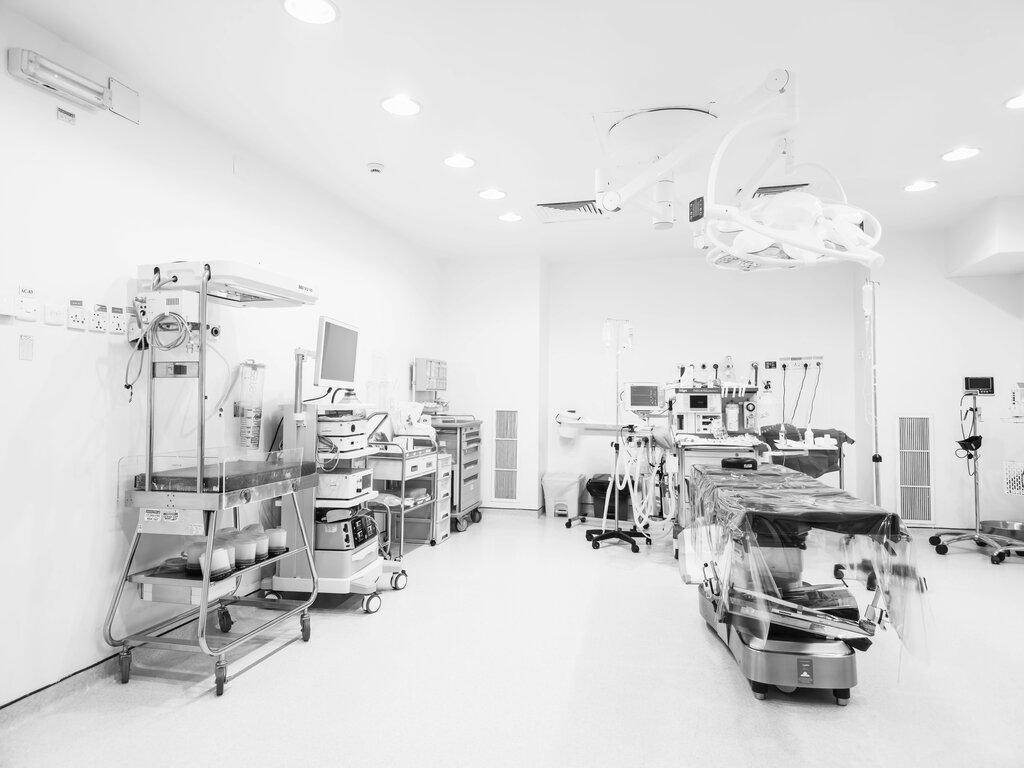
The surgical environment must be clean, well-lit, and dedicated solely to surgery. This area should be free from drafts and heavy foot traffic to prevent airborne contamination. All surfaces should be disinfected before and after each procedure.
A sterile surgical field is created around the incision site using sterile drapes. This isolates the prepared surgical area from surrounding non-sterile surfaces. All necessary equipment, from sterile instruments and gauze to the micro-sensor itself, should be arranged within easy reach to avoid looking away or reaching across the sterile field during the procedure.
Before the animal is brought to the surgical area, a final pre-operative assessment is performed. This is a crucial final check to ensure the animal is a suitable candidate for surgery at that moment. The assessment involves checking the animal's weight and general appearance. Look for bright, clear eyes and a healthy coat. Ensure there are no signs of illness, such as lethargy, discharge from the eyes or nose, or abnormal breathing.
This check confirms the animal is healthy enough to tolerate anesthesia and recover well from the procedure. If any abnormalities are noted, the surgery should be postponed until the animal is fully healthy.
What is the primary function of hemostats in a typical rodent surgical pack?
What is the most common and recommended method for sterilizing surgical instruments that will come into contact with the animal?
Proper preparation ensures that when the surgery begins, the focus is entirely on the technical execution of the procedure, confident that the groundwork for success has been laid.