Advanced Retail Management Strategies
Retail Industry Overview
From General Store to Global Marketplace
Retail began simply. For centuries, the local general store was the heart of commerce, a place where you could buy everything from flour to fabric and catch up on town gossip. The owner knew you by name and probably knew what you needed before you did. This model was personal and community-focused.
The Industrial Revolution changed everything. Mass production meant more goods were available more cheaply. In the 19th century, this led to the birth of the department store, a grand palace of consumption that gathered a vast array of products under one roof. Suddenly, shopping became an experience, an exciting outing rather than just a chore.
After World War II, as people moved to the suburbs, the shopping mall emerged. It replaced the downtown department store as the new center of retail life, offering a climate-controlled environment with dozens of stores, a food court, and ample parking. For decades, the mall was king.
The Many Faces of Retail
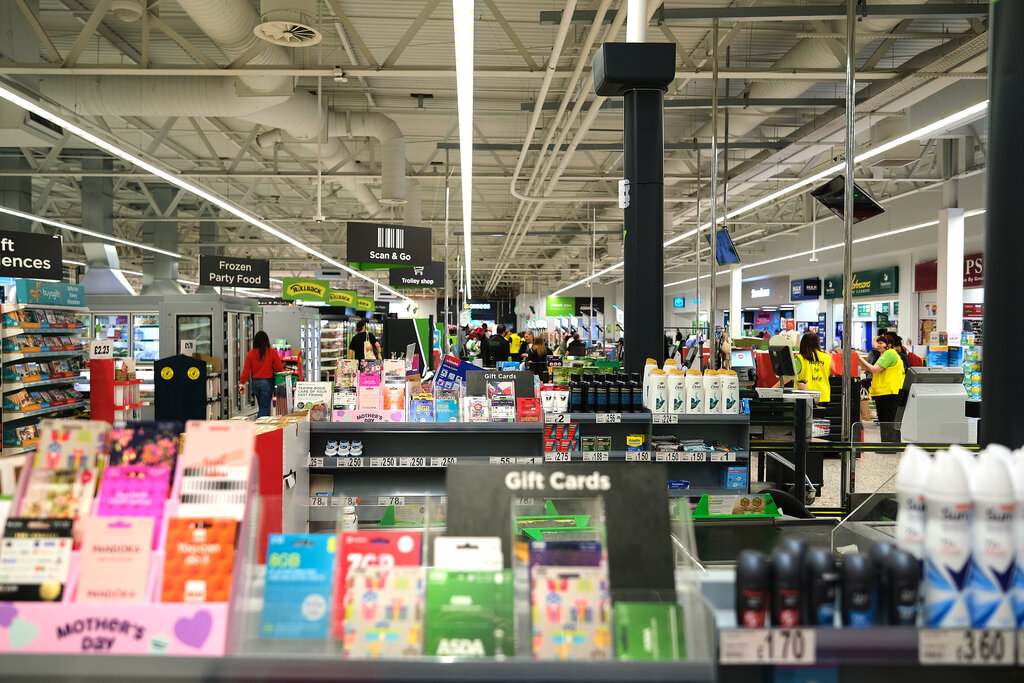
The world of retail is incredibly diverse. While we often think of the big players, the industry is made up of many different types of businesses, each serving a specific need. Understanding these segments helps clarify how the industry functions as a whole.
| Segment | Description | Examples |
|---|---|---|
| Department Stores | Offer a wide range of products in different departments, like clothing, home goods, and electronics. | Macy's, Nordstrom |
| Supermarkets | Large stores offering a wide variety of food and household products. | Kroger, Whole Foods |
| Specialty Stores | Focus on a specific product category, offering deep expertise and selection. | Best Buy, Sephora |
| Discount Stores | Sell a broad range of products at lower prices than traditional retailers. | Walmart, Target |
| Online Retailers | Sell goods directly to consumers via the internet, without a physical storefront. | Amazon, Wayfair |
These categories aren't always rigid. A company like Target, for instance, blends the models of a discount store, a supermarket, and a department store. The lines are blurring as retailers adapt to meet customer expectations.
A World of Shoppers
Three powerful forces have reshaped retail over the last few decades: globalization, technology, and changing consumer habits.
Globalization opened the doors to international markets and global supply chains. A shirt sold in Ohio might be designed in Italy, made from Indian cotton, and assembled in Vietnam. This gives consumers incredible variety and competitive prices, but it also creates a complex, interconnected system for retailers to manage.
Then came the internet. Technological advancements, especially the rise of e-commerce and mobile devices, blew the old retail model apart. Suddenly, a store wasn't just a physical place; it was also a website, an app, and a social media profile. Data analytics allowed retailers to understand customer preferences with astonishing detail.
These technologies put enormous power in the hands of consumers. Today’s shoppers are more informed and demanding than ever. Before making a purchase, they might read online reviews, compare prices across multiple sites, and check for social media buzz. They expect convenience, personalization, and speed. This shift in behavior forced retailers to completely rethink how they do business.
The modern shopper wants it all: the right product, at the right price, with a seamless experience, delivered right now.
What's Next for Retail
The retail industry is constantly evolving, driven by the forces we've discussed. Several major trends are defining its current direction.
E-commerce Growth: Online shopping continues to grow at a rapid pace. The convenience of shopping from anywhere, anytime, is a powerful draw. This has forced traditional brick-and-mortar stores to either build a strong online presence or risk becoming irrelevant.
Omnichannel Strategy: This is the idea of creating a seamless shopping experience across all channels, both online and offline. For example, a customer might browse a product on their phone, try it on in a physical store, and then buy it later on their laptop. The goal is to make the transition between these channels feel effortless.
Sustainability: More and more consumers are concerned about the environmental and ethical impact of their purchases. They want to know where products come from, how they were made, and what happens to them after use. In response, many retailers are adopting more sustainable practices, such as reducing packaging, sourcing materials responsibly, and offering recycling programs. This isn't just good for the planet; it's becoming a key factor in building brand loyalty.
Let's review what we've covered.
What major societal shift after World War II led to the rise of the shopping mall as the new center of retail?
An "omnichannel strategy" aims to create a seamless shopping experience across which channels?