Advanced Residential Mold Inspection and Remediation
Advanced Mold Inspection Techniques
Beyond the Naked Eye
Sometimes, you can smell mold long before you see it. That musty, earthy odor often means there’s a hidden colony thriving somewhere out of sight, like behind a wall, under a floor, or in an attic. When a basic visual check isn’t enough, inspectors turn to specialized tools to uncover these hidden problems without tearing the house apart.
Seeing Heat with Infrared
Infrared (IR) thermal imaging cameras are a key tool for finding hidden moisture. These cameras don't detect mold directly. Instead, they visualize surface temperature differences, which can point to the moisture that mold needs to grow.
Wet building materials often appear cooler than dry materials due to evaporative cooling. An IR camera displays these temperature variations as a color-coded image, or thermogram. A dark blue or purple area on a warmer, orange-red wall might be a sign of a slow leak, condensation, or missing insulation, all of which are potential moisture sources for mold.
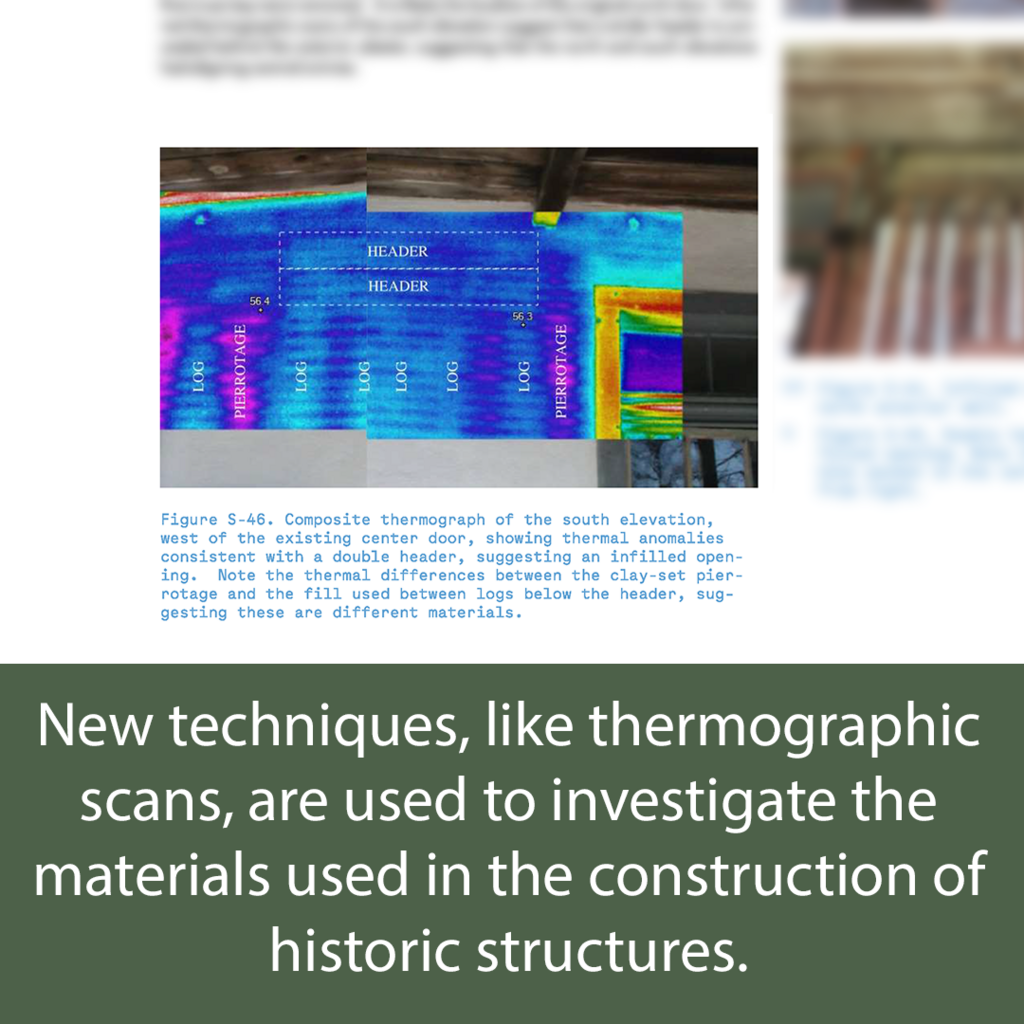
An IR scan is a non-invasive first step. It quickly surveys large areas to narrow down where to investigate further. Think of it as creating a treasure map where 'X' marks the potential problem spot.
Students are trained to identify and document thermal patterns caused by improper design, workmanship or material failure.
Confirming the Moisture
Once an IR camera flags a suspicious area, a moisture meter is used to confirm if it's actually wet. These devices provide a direct reading of the moisture content in a material. There are two common types.
| Meter Type | How It Works | Best For |
|---|---|---|
| Pin-Type | Inserts two small probes into the material to measure electrical resistance. Less resistance means more moisture. | Getting precise readings in specific spots on materials like drywall or wood. |
| Pinless (Search Mode) | Uses an electromagnetic sensor pad placed on the surface to detect moisture below. | Quickly scanning large areas without leaving holes. Ideal for finished surfaces like tile or hardwood floors. |
Many professional meters combine both functions. An inspector might use the pinless mode to scan a wall and then use the pin-type probes to get an exact moisture reading in the wettest location.
A Look Inside
When an inspector confirms high moisture levels inside a wall but can't see the source, a borescope becomes invaluable. A borescope is a small camera attached to a flexible or rigid tube. By drilling a small, easily patched hole, an inspector can insert the camera into a wall cavity, ceiling void, or behind a cabinet.
This provides a direct visual of the hidden area, confirming the presence of mold, identifying the extent of water damage, or locating the source of a leak. It’s a minimally invasive way to get definitive proof of what's happening behind the scenes.
Analyzing the Air
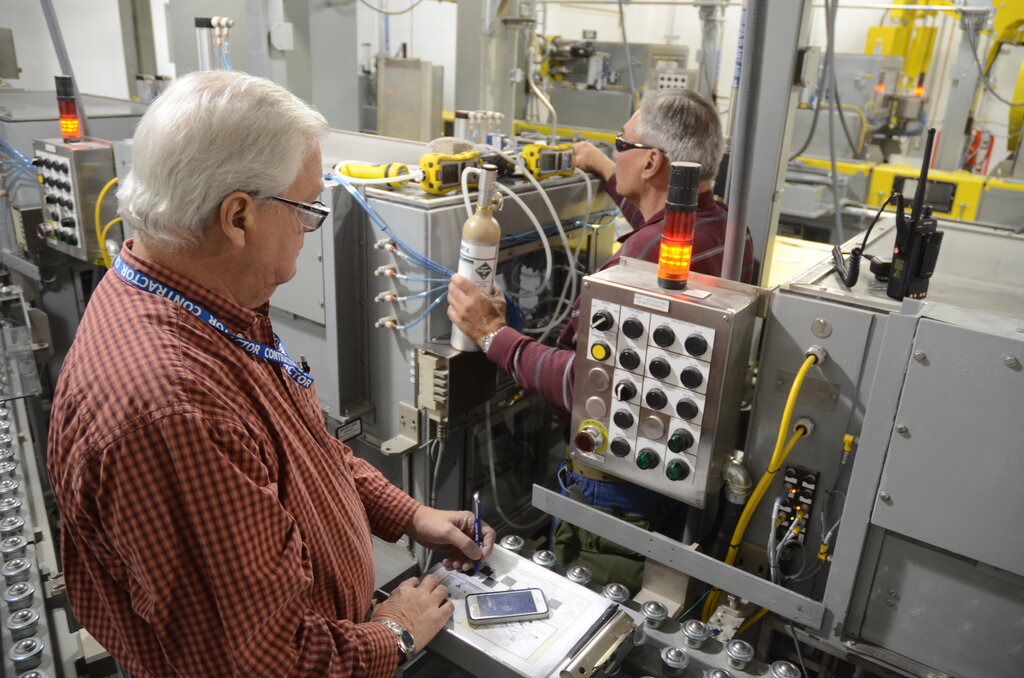
Sometimes, the problem isn't visible, even with a borescope. If there's a strong musty odor but no clear source, or if residents are experiencing allergy-like symptoms, air sampling can provide answers. This process collects airborne particles, including mold spores, to be analyzed in a laboratory.
There are several methods for collecting air samples:
| Sample Type | Description |
|---|---|
| Spore Trap | Uses a calibrated air pump to draw a specific volume of air through a sticky slide. The slide traps airborne particles, which are then identified and counted under a microscope. |
| Canister | Collects a whole air sample in a vacuum canister. This sample is then analyzed to identify microbial volatile organic compounds (MVOCs), which are the gasses that cause musty odors. |
| Surface Sample | A sterile swab or piece of tape is used to lift mold from a surface for lab identification. This confirms the type of mold present in a visible colony. |
Interpreting the results requires care. Since mold spores are everywhere, an indoor sample is always compared to an outdoor control sample taken on the same day. Elevated levels of certain mold types indoors, or the presence of species that shouldn't be there, can indicate an active indoor colony.
These advanced techniques, used together, give a comprehensive picture of a home's condition. They allow an inspector to move from suspicion to confirmation, providing the hard data needed to address a hidden mold problem effectively.
What does an infrared (IR) thermal imaging camera directly detect during a mold inspection?
After an infrared camera identifies a suspicious cool spot on a wall, what is the most logical next step for an inspector?