Advanced Reproductive System Anatomy and Function
Male Reproductive Anatomy
Male Reproductive Anatomy
The male reproductive system is a network of organs designed to produce, mature, and transport sperm. Let's trace the path sperm take from their creation to their exit from the body, exploring each key structure along the way.
The Sperm Factory
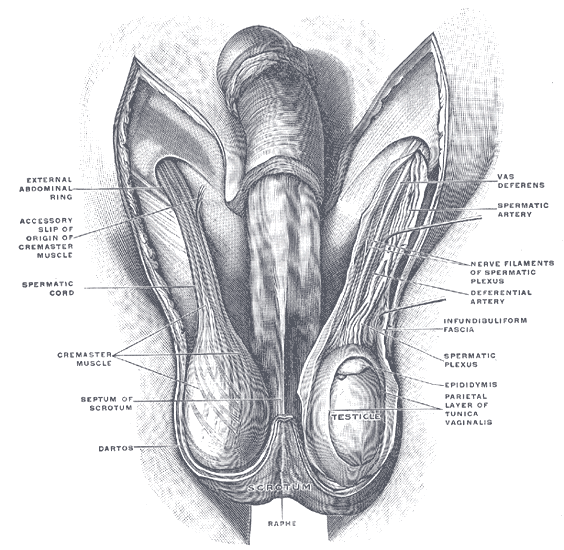
The primary reproductive organs in males are the testes (singular: testis). These two oval-shaped glands are housed within the scrotum, a pouch of skin that hangs outside the main body cavity. This external location is crucial, as it keeps the testes slightly cooler than the rest of the body, which is the ideal temperature for producing healthy sperm.
Inside each testis are tightly coiled tubes called seminiferous tubules. This is where spermatogenesis, the process of sperm production, takes place. Think of these tubules as microscopic assembly lines, constantly manufacturing millions of sperm cells. The testes are also responsible for producing testosterone, the primary male sex hormone, but our focus here is on the journey of the sperm itself.
The Journey Begins
Once produced in the seminiferous tubules, the immature sperm are not yet ready for their mission. They can't swim and are incapable of fertilization. They first move into the epididymis, a long, coiled tube resting on the back of each testis. If you were to uncoil it, the epididymis would stretch to about 6 meters (20 feet) long!
Sperm spend about three weeks traveling through the epididymis. During this time, they mature and develop the ability to swim.
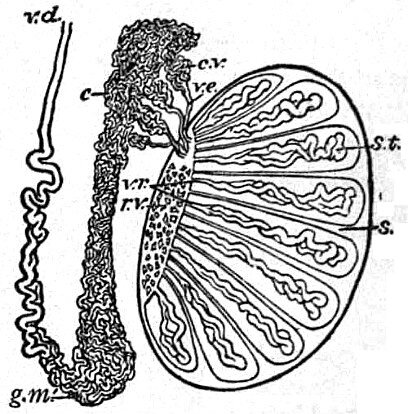
After maturing in the epididymis, the sperm move into the vas deferens, also known as the ductus deferens. This is a long, muscular tube that travels from the epididymis up into the pelvic cavity. The vas deferens acts as a transport channel, carrying the sperm from the scrotum towards the urethra.
Creating Semen
Sperm cells themselves make up only a tiny fraction of the fluid that is eventually ejaculated. This final fluid is called semen, and it's a mixture of sperm and fluids from three accessory glands: the seminal vesicles, the prostate gland, and the bulbourethral glands.
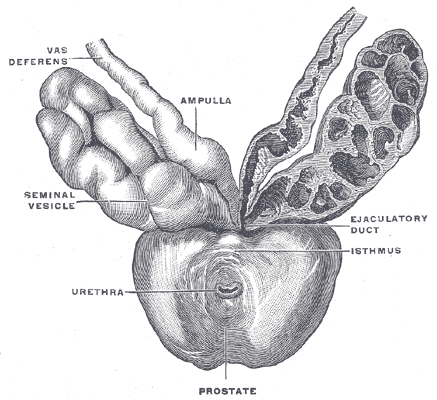
As the sperm travel through the vas deferens, they pass the seminal vesicles. These glands secrete a thick, yellowish fluid that is rich in fructose, a type of sugar. This provides the sperm with the energy they need to power their journey.
The next stop is the prostate gland, which sits just below the bladder and surrounds the urethra. The prostate adds a thin, milky fluid to the mix. This fluid contains enzymes that help make the semen more fluid and improve the sperm's motility, or ability to swim.
Finally, two pea-sized glands called the bulbourethral glands (or Cowper's glands) release a clear, slippery fluid. This fluid is secreted before ejaculation to lubricate the urethra and neutralize any residual acidity from urine, creating a safer passageway for the sperm.
Pathway of sperm through the male reproductive systemClean: “SEVE(N) UP“ (Seminiferous tubules, epididymis, vas deferens, ejaculatory duct, (nothing), urethra, penis)
The Final Passageway
The penis is the male external reproductive organ. It has two main functions: to excrete urine from the body and to deliver semen into the female reproductive tract during intercourse. The tube that runs through the center of the penis is the urethra. This duct serves as the exit for both urine and semen, though never at the same time. A muscle at the base of the bladder contracts during ejaculation to prevent urine from mixing with semen.
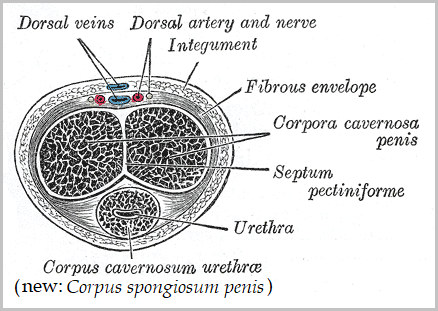
The penis is composed of three columns of spongy, erectile tissue. Two of these are the corpora cavernosa, which run side-by-side along the upper part of the penis. The third is the corpus spongiosum, which is smaller and runs along the underside, surrounding the urethra. During sexual arousal, these tissues fill with blood, causing the penis to become firm and erect, which facilitates intercourse.
Ready to test your knowledge?
Where does spermatogenesis, the process of sperm production, take place?
Which of the following correctly traces the path of sperm after they are produced?
Understanding the anatomy of the male reproductive system reveals a highly organized and efficient process designed for the creation and delivery of sperm.