Advanced Rehabilitation and Clinical Strategy
Multi-Planar Movement Analysis
The Kinetic Chain in 3D
Effective movement analysis requires seeing the body not as a collection of parts, but as an integrated system. This is the core idea of the —the concept that joints and segments have a connected effect on one another. When one link in the chain moves, it creates a ripple effect up and down the system. While foundational analysis often isolates movement to a single plane, like flexion and extension in the sagittal plane, true functional movement is a symphony of motion across all three planes: sagittal, frontal, and transverse.
A breakdown in one plane often reveals itself as pain or dysfunction in another. For example, a patient presenting with knee pain during a squat (a primarily sagittal plane movement) might not have a problem at the knee itself. The root cause could be poor hip stability in the frontal plane or limited thoracic rotation in the transverse plane. This interdependence is why multi-planar analysis is critical for moving beyond treating symptoms to addressing the source of dysfunction.
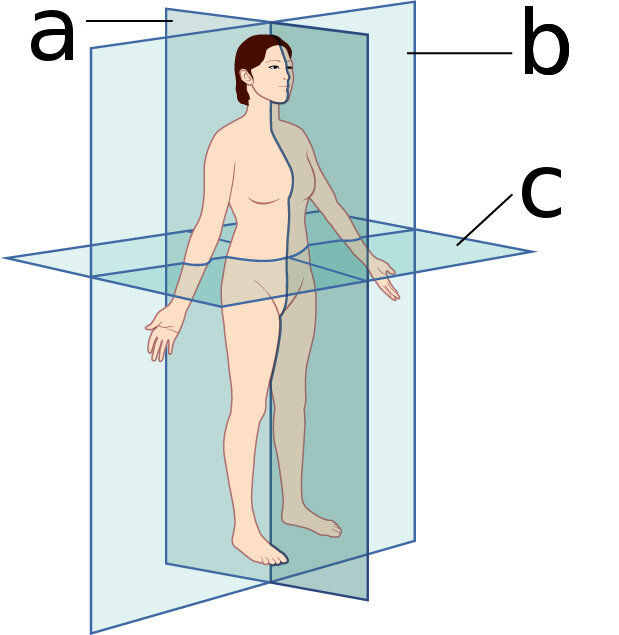
Uncovering Rotational Deficits
The transverse plane, which involves rotational movements, is frequently the hidden culprit in complex musculoskeletal cases. Deficits here are subtle but have powerful consequences. Consider a baseball pitcher. Their powerful throw is not just an arm movement; it's a precisely timed sequence of rotation starting from the ground up—hips, torso, and finally the shoulder and arm. A lack of mobility in their thoracic spine (transverse plane) might force the shoulder joint to compensate, leading to overuse injuries.
This is a classic example of pathomechanics in action. The body, being an expert compensator, will always find a way to complete a task. It will create a 'path of least resistance' to perform a movement, even if that path puts undue stress on tissues not designed for that load. These compensatory strategies are often invisible when you only look at the site of pain or analyze movement in a single plane.
To find the source of the problem, look away from the pain. Analyze how rotation, or lack thereof, is influencing movement up and down the kinetic chain.
Dynamic Assessment and Analysis
Assessing dynamic postural stability involves observing the body's ability to control movement across all three planes simultaneously. Simple tasks like a single-leg squat, a walking lunge, or a box jump can reveal a wealth of information. While observational gait analysis is a valuable skill, it has its limits. The human eye can miss high-speed, subtle movements that digital motion capture can quantify with precision.
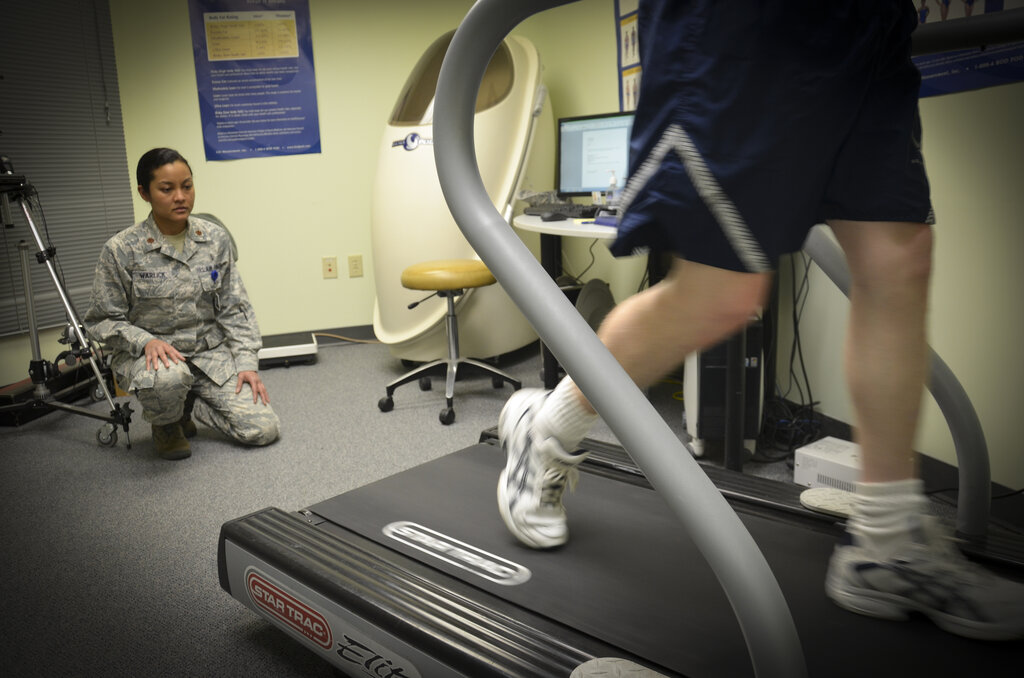
Interpreting digital motion capture data requires connecting the dots between planes. Let's say during a landing from a jump, the data shows excessive knee valgus (a frontal plane issue). Instead of just concluding 'weak glute medius,' we look deeper. The data might also show excessive femoral internal rotation and contralateral pelvic drop (transverse and frontal plane issues, respectively). This paints a much clearer picture of poor lumbo-pelvic control, where the root cause is an inability to stabilize the pelvis and femur in multiple planes during a high-velocity movement. This integrated view allows for a far more targeted and effective rehabilitation plan.
| Dysfunction (Symptom) | Sagittal Plane Observation | Frontal Plane Contribution | Transverse Plane Contribution |
|---|---|---|---|
| Patellofemoral Pain | Altered knee flexion angle | Excessive knee valgus | Femoral internal rotation |
| Lower Back Pain | Excessive lumbar flexion | Lateral pelvic tilt (hip drop) | Limited thoracic/hip rotation |
| Shoulder Impingement | Altered scapular tilt | Scapular winging | Poor thoracic spine extension/rotation |
Your goal is to become a detective of movement, understanding that the clue you see in one plane is often just a piece of a larger puzzle. By systematically analyzing the sagittal, frontal, and transverse components of any functional task, you can move from chasing pain to resolving its underlying mechanical cause.
Time to test your understanding of these integrated concepts.
A client complains of knee pain specifically when performing squats. A single-plane analysis in the sagittal plane shows no obvious issues with their squat form (e.g., depth, back angle). According to the principles of integrated movement, what is a plausible underlying cause of their pain?
Which plane of motion is most often the 'hidden culprit' in complex musculoskeletal issues because its deficits are often subtle but have powerful, cascading effects on the kinetic chain?
By mastering multi-planar analysis, you can effectively diagnose and treat complex cases that others might miss, establishing a clear path toward restoring efficient, pain-free movement.