Advanced Pteridology and Fern Ecology
Complex Alternation
The Two Lives of a Fern
The fern plant you recognize, with its large, intricate fronds, is only half the story. Ferns live a double life through a process called alternation of generations, cycling between two distinct, free-living forms: a diploid sporophyte and a haploid gametophyte.
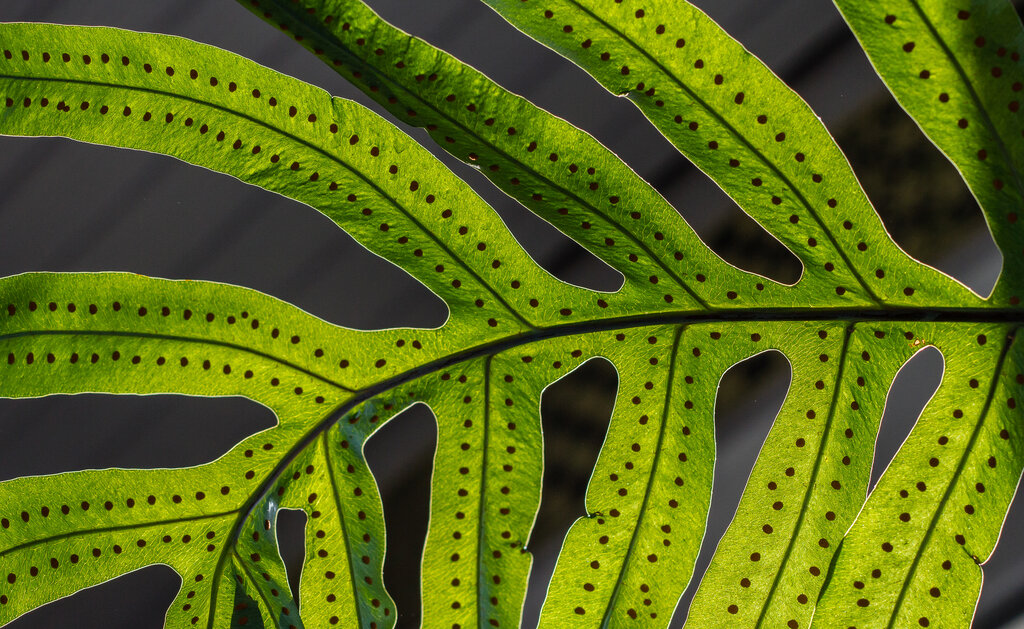
The large, familiar fern is the sporophyte. Its cells contain a full, double set of chromosomes (). This is the dominant, long-lived phase. On the undersides of its fronds, it produces spores through meiosis, which are haploid (). When these spores germinate, they don't grow into another leafy fern. Instead, they develop into a completely different organism.
The Independent Prothallus
The haploid spore grows into the gametophyte, a small, often heart-shaped structure called a prothallus. Typically just a few millimeters across, the prothallus is a fully independent and autotrophic organism. It anchors itself with root-like rhizoids and performs photosynthesis to create its own food.
Unlike the complex sporophyte, the prothallus is a simple sheet of cells. It develops both male reproductive structures (antheridia), which produce sperm, and female structures (archegonia), which hold an egg. Because the prothallus is haploid, these gametes are produced via mitosis. Fertilization requires water for the sperm to swim to the egg, which is why ferns are most common in moist environments. Once fertilization occurs, the resulting diploid zygote grows directly out of the gametophyte, developing into the large sporophyte we know, and the cycle begins again.
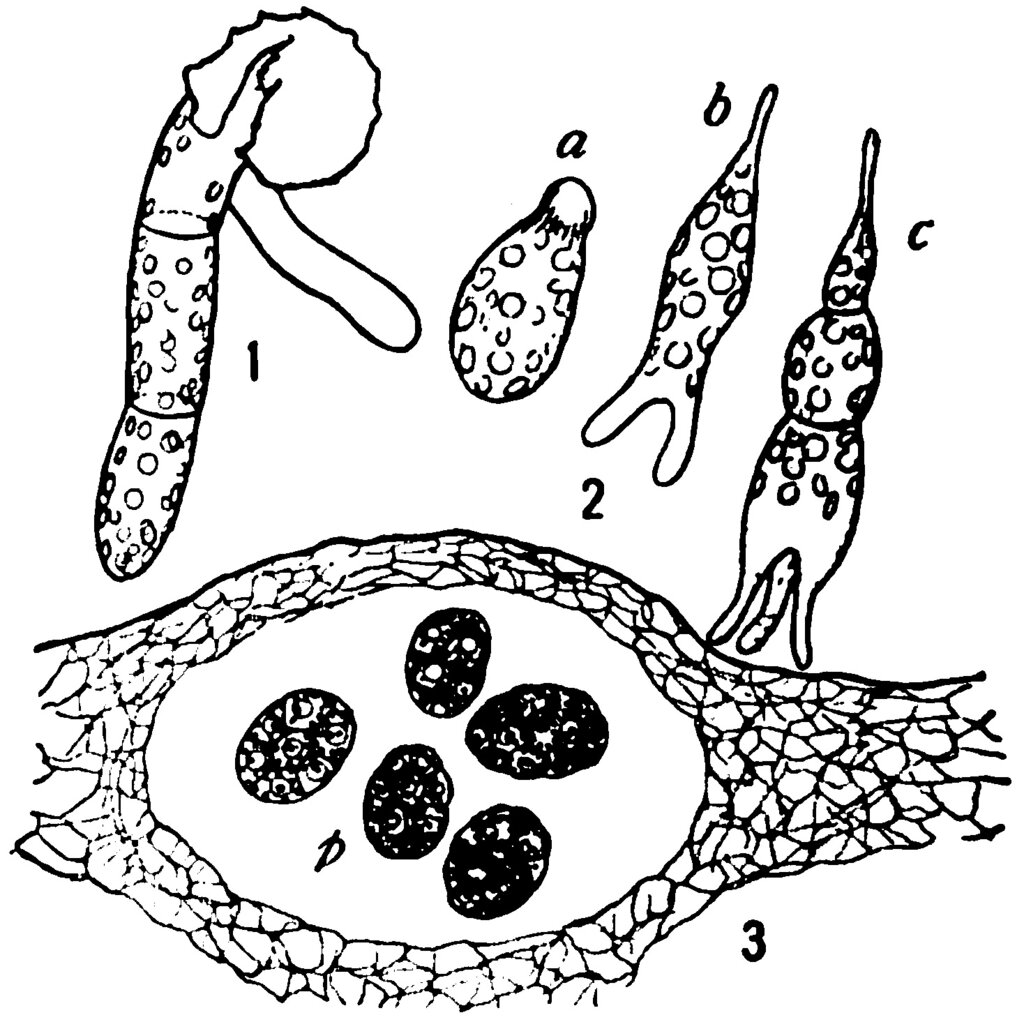
The genomic difference between these two stages is significant. The diploid sporophyte, with its two sets of chromosomes, has genetic redundancy. This masks deleterious recessive mutations and allows for greater complexity and size. The haploid gametophyte, with only a single set of chromosomes, is more genetically exposed. Any mutation, good or bad, is expressed immediately. This makes the gametophyte stage a crucial filter in the evolutionary process.
A Life Apart
In most ferns, the gametophyte is a short-lived, transitional stage. But in some species, particularly epiphytic filmy ferns that grow on other plants, the two generations can become completely uncoupled. In these cases, the gametophyte generation can live independently for years, even decades, without ever producing a sporophyte.
These persistent gametophytes have developed an alternative way to reproduce.
Instead of relying on fertilization, they can propagate asexually by producing gemmae.
Gemma
noun
A small packet of cells that detaches from the parent organism and develops into a new, genetically identical individual.
These gemmae are clonal offshoots of the haploid prothallus. They allow the gametophyte population to spread and thrive on its own, sometimes forming extensive mats on tree trunks or rocks, completely independent of the sporophyte generation.
Triggers for Change
The transition between these two starkly different life stages is not left to chance. It's governed by a sophisticated interplay of environmental and hormonal cues.
Light plays a critical role. Spore germination and the initial growth of the prothallus are often triggered by specific wavelengths of light. For example, red light, which indicates an opening in the forest canopy, promotes the switch from a filamentous initial growth (a protonema) to the flattened, two-dimensional prothallus.
Hormones are also key regulators. A class of pheromones called antheridiogens coordinates sexual development within a population of gametophytes. The first gametophyte to mature will produce antheridiogens, which then signal nearby younger gametophytes to develop male structures (antheridia) only. This clever mechanism promotes cross-fertilization between different gametophytes, increasing genetic diversity, rather than self-fertilization on a single prothallus.
Time to test your knowledge of the fern's double life.
The large, leafy fern plant is the sporophyte, while the small, heart-shaped prothallus is the gametophyte. What are their respective chromosome numbers?
The fern gametophyte (prothallus) produces sperm and eggs. Since the gametophyte is already haploid, how does it produce these haploid gametes?
The alternation of generations in ferns is a remarkable evolutionary strategy, allowing for both the genetic resilience of a diploid stage and the adaptive filtering of a haploid one.