Advanced Project Management Integration
Strategy and Portfolio Alignment
From Projects to Portfolios
Managing a single project successfully is one thing. Ensuring that all your organization's projects, taken together, actually move the company toward its strategic goals is another challenge entirely. This is the shift from project management to (PPM). The core idea isn't just about executing projects efficiently; it's about selecting the right projects to begin with.
Effective PPM ensures that every dollar spent and every hour worked on a project has a clear line of sight to the organization's long-term vision.
An organization has limited resources—time, money, and people. Without a strategic lens, you might end up with a collection of well-run projects that pull the company in different directions or, worse, lead nowhere important. The goal is to create a balanced portfolio of initiatives that advances the company's mission, much like an investment portfolio is balanced to achieve financial goals.
Evaluating What's Worthwhile
To select the right projects, you need objective ways to compare them. Financial metrics are a common starting point.
- Return on Investment (ROI) measures the profitability of an initiative. It’s a simple ratio of net profit to cost. While useful, it doesn't account for the time value of money.
- Payback Period tells you how long it will take for a project to earn back its initial investment. A shorter payback period is often preferred as it means less risk.
- (NPV) is a more sophisticated tool. It calculates the value of a project’s future cash flows in today's dollars, accounting for the fact that a dollar today is worth more than a dollar tomorrow due to inflation and potential investment returns.
However, numbers alone don't tell the whole story. A project with a lower ROI might be essential for entering a new market, complying with regulations, or fending off a competitor. This is where multi-criteria prioritization models come in. These models evaluate projects against a range of factors, not just financial ones.
| Criteria | Weight | Project A Score (1-5) | Project B Score (1-5) | Project A Weighted | Project B Weighted |
|---|---|---|---|---|---|
| Strategic Fit | 40% | 5 | 2 | 2.0 | 0.8 |
| ROI Potential | 30% | 3 | 5 | 0.9 | 1.5 |
| Technical Risk | 20% | 4 | 2 | 0.8 | 0.4 |
| Resource Need | 10% | 2 | 4 | 0.2 | 0.4 |
| Total Score | 100% | 3.9 | 3.1 |
In this example, Project B has a better ROI, but Project A is a much stronger fit with the company's strategy. The weighted scoring model shows that Project A is the better choice for the portfolio, despite its lower financial return.
The Portfolio Backlog
Once projects are evaluated and prioritized, they don't all get an immediate green light. Instead, they enter a portfolio backlog. This is a dynamic, ordered list of all potential initiatives the organization could undertake. The projects at the top of the list are the ones that offer the most strategic value and are the next candidates for resourcing and execution.
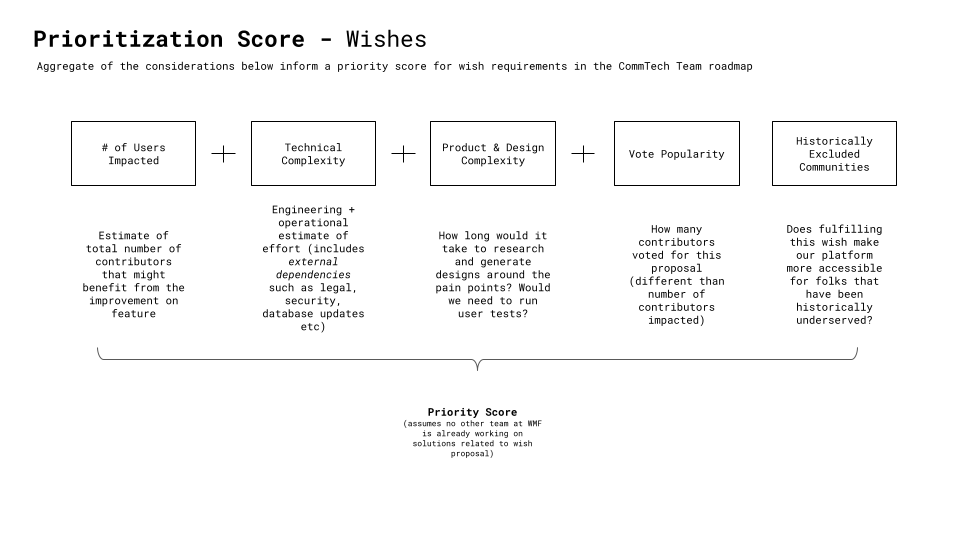
This approach brings discipline to the planning process. It prevents the organization from committing to too many projects at once, which can stretch teams thin and delay delivery. The backlog is not static; it's regularly reviewed. As business objectives shift or new opportunities arise, projects can be reprioritized, added, or removed. It creates a clear separation between the management team's job of setting objectives and the project team's job of analyzing benefits and executing the work. This ensures transparency and helps hold teams accountable for delivering the value they promised.
Project portfolio management is the centralized management of multiple projects, often related and aligned to strategic objectives.
This clear division of responsibility between setting strategy and executing on it is crucial. Leadership defines the 'what' and 'why'—the strategic goals. Teams then analyze and propose projects that align with those goals, focusing on the 'how' and estimating the benefits. This structure prevents pet projects from draining resources and ensures every initiative is a deliberate step toward a defined future.
What is the primary goal of Project Portfolio Management (PPM)?
Which financial metric is most sophisticated for comparing projects because it accounts for the time value of money?