Advanced Product Design Strategies
Advanced UX Research Methods
Beyond the Lab
You already know the basics of user research, like interviews and surveys. These methods are great for understanding what people say they do. But to build truly innovative products, you need to understand what they actually do, often in moments they wouldn't think to tell you about. This means getting out of the lab and into their world.
Advanced research methods use technology to capture user experiences as they happen. One of the most effective ways to do this is with mobile ethnography.
Ethnography
noun
The scientific study of people, customs, and culture in their natural environment.
Traditionally, ethnography meant a researcher would spend weeks or months living with a community. Mobile ethnography uses the smartphone in a user's pocket as a research tool. You can ask participants to complete tasks, answer short surveys, or upload photos and videos of their experiences over several days or weeks.
Imagine you're designing a new fitness app. You could ask users to record a short video of their workout space, take a photo of their post-workout meal, and log how they feel right after exercising. This provides rich, contextual data that a simple interview in a coffee shop could never capture. You see the real challenges and triumphs of their fitness journey.
Hearing Their Thoughts
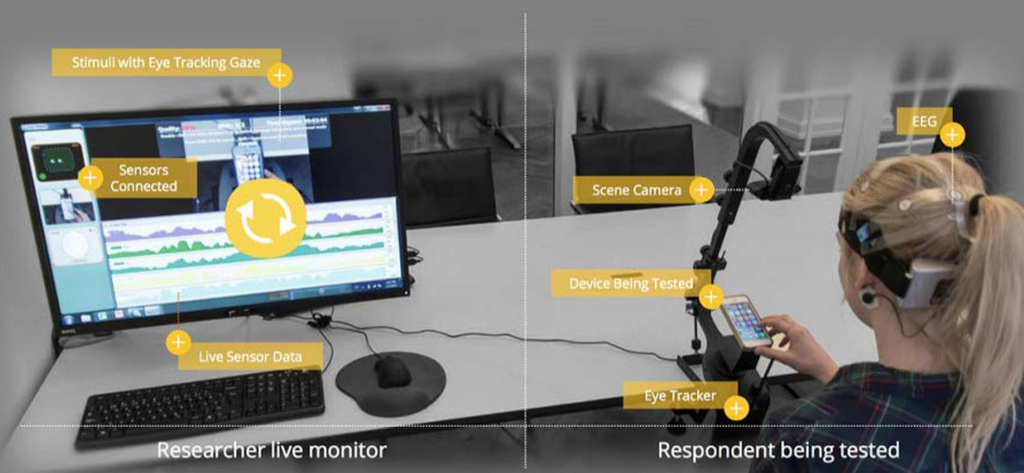
Observing behavior is powerful, but sometimes you need to understand the why behind the actions. This is where think-aloud protocols come in. It's a simple but incredibly effective method for usability testing.
The setup is straightforward: you give a user a task to complete with your product and ask them to verbalize everything they are thinking as they do it. Their running commentary provides a direct window into their thought process.
For example, while testing a new e-commerce site, a user might say: "Okay, I want to find running shoes. I'll click on 'Shoes.' Hmm, now I see boots and sandals. I was expecting to filter by sport. Let me try the search bar instead. 'Men's running shoes.' Perfect, that's what I wanted."
This isn't just feedback; it’s a live report of their expectations, confusions, and moments of success. You're not just learning if they can complete the task, but how they approach it and what their mental model is. This kind of raw, unfiltered insight is gold for any designer.
The New Frontier of Feedback
Modern technology allows us to layer more data onto these qualitative methods. By integrating Internet of Things (IoT) devices and machine learning, we can analyze the user experience with even greater precision.
Real-time sentiment analysis uses AI to detect emotion. During a video-recorded think-aloud session, software can analyze a user’s facial expressions and tone of voice. It can flag moments where a user shows subtle signs of frustration, even if they don’t say anything. This adds a crucial layer of emotional data.
IoT-based analysis takes this even further by collecting data from smart devices. If you're designing a smart home app, you can analyze how users interact with their connected lights, thermostats, and speakers. Does their heart rate slightly increase when an interface is confusing? Do they use voice commands more in the morning? This data provides an objective look at how a product fits into the user's life and environment.
AI UX is the bridge between technical performance and user satisfaction—making it a core part of AI product development.
Finally, machine learning helps make sense of all this data. An ML model can sift through thousands of hours of user interviews, support tickets, and app reviews to identify recurring themes and pain points. It can spot patterns that a human researcher might miss, helping you prioritize what to fix or build next.
For example, an ML model could analyze feedback and discover that users in colder climates frequently complain about a feature in your smart thermostat app that users in warmer climates love. This insight allows for more personalized and effective design solutions.
Let's review these advanced techniques.
What is the primary advantage of using mobile ethnography over a traditional, one-time user interview?
During a usability test for a new app, you ask a participant to verbalize their thoughts, feelings, and frustrations as they attempt to complete a task. What is this research method called?
By moving beyond basic methods and embracing these advanced techniques, you can gain a much deeper and more authentic understanding of your users. This empathy is the foundation of every truly great product.