Advanced Principles and Applications of Taxation
Systemic Tax Structures
Marginal vs. Effective Tax Rates
To understand how a tax system truly works, we need to look beyond the single percentage rate you see on a sales tax sticker. In income tax, the most important concepts are the marginal and effective tax rates. They tell two different stories about your tax burden.
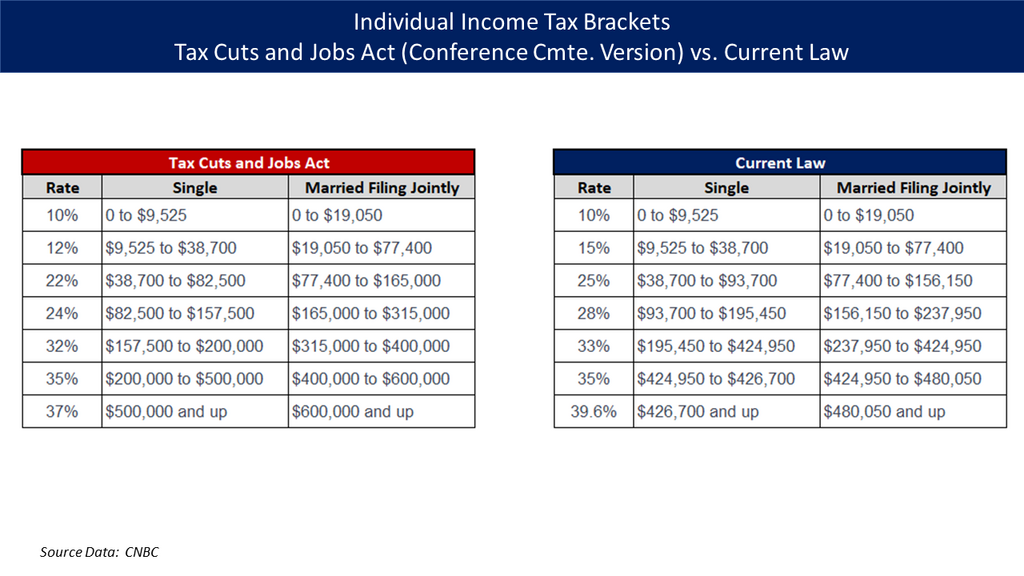
The marginal tax rate is the rate you pay on your next dollar of income. Most countries use a progressive system with different tax brackets. If you earn one more dollar and it pushes you into a new bracket, only that extra dollar is taxed at the new, higher rate—not your entire income. This is a common misunderstanding.
Think of it like a series of buckets. You fill the first bucket (the lowest tax bracket) to the brim, then the overflow spills into the next bucket (the next bracket), which is taxed at a higher rate, and so on.
Let’s look at a simplified example with three tax brackets:
- 10% on income up to $10,000
- 20% on income from $10,001 to $40,000
- 30% on income over $40,000
If someone earns $50,000, they don't pay 30% on the whole amount. Instead, the calculation is tiered.
Adding these up: $1,000 + $6,000 + $3,000 = $10,000 in total tax.
This person’s marginal tax rate is 30%, because their next dollar earned would be taxed at that rate. But what percentage of their total income did they actually pay in taxes? That's the effective tax rate.
The effective rate gives a much clearer picture of the tax burden than the marginal rate. While our hypothetical earner is in the 30% bracket, their overall tax payment is only 20% of their income. This distinction is crucial for comparing tax burdens across different income levels and different countries.
System Structures and Equity
Tax systems are generally designed around one of three structures: progressive, regressive, or proportional. Each has different implications for fairness and economic efficiency.
Progressive Tax
noun
A tax in which the tax rate increases as the taxable amount increases. The term "progressive" refers to the way the tax rate progresses from low to high.
A progressive system is based on the ability-to-pay principle. It aims to reduce the tax burden on people with lower incomes, as they need a larger portion of their income for necessities. Most income tax systems around the world are progressive.
Conversely, a regressive tax takes a larger percentage of income from low-income earners than from high-income earners. This might sound intentionally unfair, but it's often an unintended consequence. General sales taxes and Value-Added Tax (VAT) are classic examples. Someone earning $20,000 a year and someone earning $200,000 a year both pay the same 7% sales tax on a $100 grocery bill. That $7 tax represents a much larger share of the lower earner's income.
The combined effect of income tax and national insurance payments forces people in employment to pay much higher rates of tax than those who benefit from lower capital gains tax (CGT) rates on property and shares income, according to the Intergenerational Foundation thinktank.
The third structure is a proportional tax, often called a "flat tax." Everyone pays the same percentage of their income, regardless of how much they earn. If the flat rate is 15%, someone earning $30,000 pays $4,500, and someone earning $300,000 pays $45,000. Proponents argue this system is simpler and fairer because everyone is treated equally. Critics contend that it places a heavier relative burden on lower-income individuals who have less discretionary income.
Bracket Creep and Tax Equity
In a progressive system, inflation can create an interesting problem called bracket creeps. Imagine you get a 5% raise, but inflation for that year was also 5%. Your purchasing power hasn't actually increased, but your higher nominal income might push you into a new, higher tax bracket. You end up with less real after-tax income simply because of inflation. It’s like running on a treadmill and having the incline slowly increase.
To combat this, many countries use a process called inflation indexing. Each year, the tax brackets are adjusted upward to account for inflation, preventing people from paying higher taxes on phantom gains in income.
Beyond the math, tax systems are also judged on principles of equity. Vertical equity is the idea that people with a greater ability to pay should pay more tax. A progressive system is a direct application of this principle.
Horizontal equity is the principle that individuals with similar incomes and assets should pay the same amount in taxes. This can get complicated. If two people earn $70,000, but one has significant medical expenses and the other doesn’t, should they pay the same tax? Deductions for things like medical costs or charitable donations are designed to adjust for these differences, aiming to achieve horizontal equity based on a taxpayer's actual financial situation.
Ready to test your knowledge of these core tax structures?
An individual earns $60,000 in a system with the following tax brackets: 10% on income up to $10,000, 20% on income from $10,001 to $40,000, and 30% on income over $40,000. What are their marginal and effective tax rates, respectively?
Which of the following is the best example of a regressive tax?
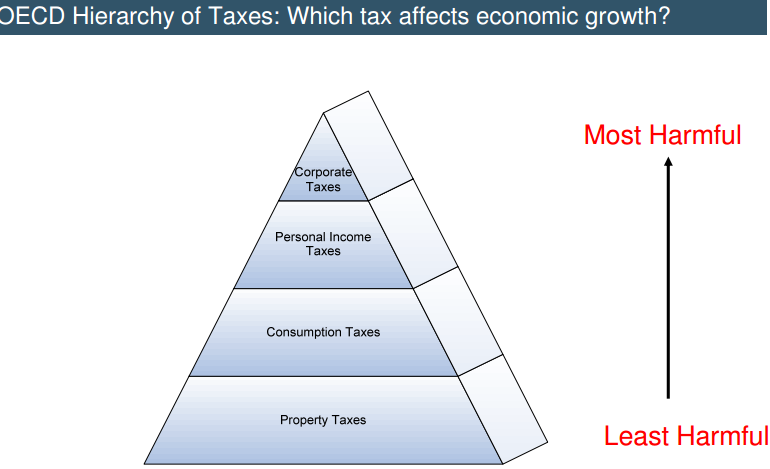
Understanding these structural mechanics is key to analyzing tax policy and debating the trade-offs between fairness, simplicity, and economic growth.