Advanced Preparation for MDMA and Psilocybin Integration
Pharmacological Synergy
The Serotonin Dance
When MDMA and psilocybin are taken together, their interaction centers on the serotonin system. It's not a simple case of addition; it's a complex interplay at the synaptic level.
MDMA is a potent serotonin releasing agent. It primarily acts on the serotonin transporter, known as SERT. By reversing the transporter's function, MDMA causes a significant flood of serotonin into the synaptic cleft, the space between neurons. This surge of natural serotonin is responsible for many of MDMA's characteristic effects, like enhanced mood and empathy.
Psilocybin, after being converted to its active form, psilocin, is a direct agonist for several serotonin receptors, most notably the 5-HT2A receptor. Activation of this receptor is the primary driver of psilocybin's psychedelic effects. When both substances are present, the serotonin released by MDMA and the psilocin from psilocybin compete for the same 5-HT2A receptors. This competition can subtly alter the subjective experience, sometimes smoothing the edges of the psilocybin journey.
This interaction isn't just one-way. The presence of psilocin at the 5-HT2A receptor can also influence the overall serotonin signaling environment created by MDMA. The result is a bidirectional modulation where each compound shapes the effects of the other.
An Emotional Buffer
One of the most significant aspects of combining these substances is how MDMA can create a psychological 'buffer' for the psilocybin experience. Psilocybin can sometimes induce anxiety or bring up challenging psychological material. MDMA appears to mitigate this potential.
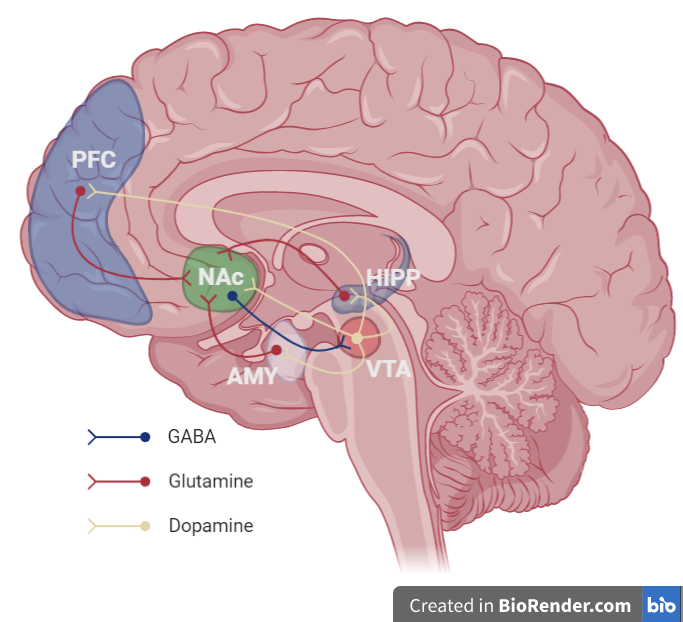
This buffering effect is linked to MDMA's ability to dampen activity in the amygdala. The amygdala is a brain region central to processing fear and threat. By reducing its reactivity, MDMA can foster a sense of safety and openness, making it easier to navigate the profound and sometimes intense states of consciousness elicited by psilocybin.
By attenuating the fear response, MDMA can create a more conducive internal environment for the deep psychological exploration that psilocybin facilitates.
Furthermore, MDMA triggers the release of hormones like oxytocin and prolactin. Oxytocin is often called the 'bonding hormone' and is associated with feelings of trust, empathy, and social connection. The elevation of these hormones contributes to a warm, heart-centered state that can positively frame the entire experience, making challenging moments feel less threatening and more manageable.
Metabolism and Amplification
The synergy between MDMA and psilocybin isn't just neurological; it's also metabolic. Both substances are processed in the liver, primarily by the same family of enzymes: cytochrome P450, specifically CYP2D6. When taken together, they compete for these enzymes.
Cross-potentiation
noun
A phenomenon where two or more substances, when taken together, produce an effect that is greater than the sum of their individual effects.
This competition slows down the metabolism of both compounds. As a result, they remain in the body at higher concentrations for a longer period than if taken alone. This leads to cross-potentiation, where the effects of each substance are amplified.
Because of this, a standard dose of each substance would be overwhelming and potentially dangerous if combined. Harm reduction principles demand that doses of both MDMA and psilocybin be significantly reduced from what one would take individually. This increased metabolic load also places extra stress on the liver and kidneys, a crucial factor to consider.
Understanding these interactions is key to appreciating the complexity of combining psychoactive substances. The synergy goes beyond simple effects, involving a cascade of changes in neurochemistry, hormonal balance, and metabolic processing.
Let's check your understanding of these pharmacological interactions.
How do MDMA and psilocin (the active form of psilocybin) primarily interact with the serotonin system when taken together?
The primary neurological reason MDMA can create a 'psychological buffer' for the psilocybin experience is by dampening activity in the amygdala.
This intricate interplay highlights the importance of understanding the precise mechanisms of action when considering how different substances interact within the body.