Advanced Playwright: Enterprise Architecture
Advanced Page Architecture
Beyond Class-Based POMs
The standard Page Object Model (POM) serves us well by separating UI interactions from test logic. We create classes to represent pages, and our tests call methods on those objects. But as applications grow, especially those built with component-based frameworks like React or Vue, these page classes can become bloated and rigid. A single UI change can trigger a cascade of updates, and the once-clean separation begins to blur.
To combat this, we can evolve our approach. The Functional Page Model (FPM) offers a more flexible alternative. Instead of classes, we use functions and to create page objects. This shift encourages composition over inheritance, leading to more modular and maintainable test suites. The core idea is to build up page functionality from smaller, independent pieces rather than inheriting from a large, monolithic base class.
Decomposing Pages into Components
Modern web applications are rarely single, monolithic pages. They are systems of reusable components: navigation bars, search modals, data tables, and footers. A robust test architecture should mirror this structure. Instead of creating a giant object for the entire "Dashboard Page," we can model it as a composition of smaller, independent component objects.
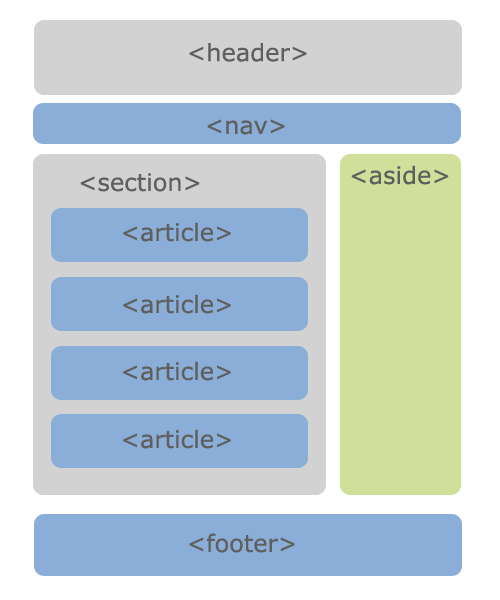
This approach offers significant advantages. If the search bar's functionality changes, you only need to update the searchBar component object. Tests that interact with the user profile or the main content area remain untouched. This compartmentalisation makes your test suite more resilient to UI changes and easier for multiple developers to work on simultaneously.
The component-based architecture improves maintainability, readability, and developer productivity by constructing the render-tree-like structure within the codebase.
Creating a Test DSL with TypeScript
We can take component architecture a step further by using TypeScript's advanced features to create a fluent, domain-specific language (DSL) for our tests. The goal is to make test scripts read like a user's journey, abstracting away the implementation details of locating and interacting with elements. Generic types are the key to achieving this in a scalable way.
Consider a factory function that creates instances of our component objects. By using , we can design a single factory that can produce any type of component, from a simple button to a complex data grid. This eliminates boilerplate code and ensures type safety across our test suite.
// A generic factory for creating component objects
import { Page } from '@playwright/test';

// T is a placeholder for any class that has a constructor
// taking a Playwright Page object.
function createComponent<T extends { new (page: Page, ...args: any[]): any }>(
  ComponentClass: T,
  page: Page,
  ...args: any[]
): InstanceType<T> {
  return new ComponentClass(page, ...args);
}

// Usage in a test:
// Assume SearchModal is a class representing the search component.
const searchModal = createComponent(SearchModal, page);

// The test now fluently describes user actions.
await searchModal.open();
await searchModal.searchFor('Playwright component testing');
The final piece is decoupling test logic from locator strategies. Your test should not care if an element is found by its ID, a data-testid attribute, or its text content. This logic belongs inside the component object. By encapsulating these details, you can update locators in one place without breaking any tests. This makes your automation suite robust against the inevitable UI tweaks and refactors common in large-scale projects.
What is a primary drawback of the standard Page Object Model (POM) when used for large, modern applications built with component-based frameworks?
How does a component-based test architecture improve the maintainability of an automation suite?
By moving beyond basic POM and adopting a functional, component-based architecture, you can build a test suite that is not only maintainable and scalable but also a pleasure to work with.