Advanced PII Data Scrubbing Techniques
PII Challenges
What Makes Data Personal?
In the world of data, not all information is created equal. Some pieces are generic, like the color of a car or a city's population. But other pieces are deeply personal, capable of pointing directly to one specific individual. This is what we call Personally Identifiable Information, or PII.
Personally Identifiable Information (PII)
noun
Any information that can be used to distinguish or trace an individual's identity, either alone or when combined with other personal or identifying information that is linked or linkable to a specific individual.
PII isn't just about the obvious things. It falls into two main categories: direct and indirect identifiers.
Direct identifiers are unique to a person. A Social Security number is a perfect example. There's only one of you with that number.
Indirect identifiers are pieces of information that, on their own, might not identify you, but can pinpoint you when combined. Your zip code alone is broad. But your zip code, date of birth, and gender? That combination narrows the field considerably, often down to a single person.
| Type | Examples |
|---|---|
| Direct PII | Full name, Social Security number, Driver's license number, Email address, Phone number |
| Indirect PII | Date of birth, Zip code, Gender, Race, Place of birth |
| Sensitive PII | Medical records, Biometric data (fingerprints, retina scans), Financial information |
The Risks of Exposure
When PII gets into the wrong hands, the consequences can be severe. It’s the raw material for identity theft, financial fraud, and personal harassment. A data breach isn't just a corporate headache; it's a cascade of potential problems for every individual whose information was exposed.
Fraudsters can use stolen PII to open credit cards, file fraudulent tax returns, or take out loans in someone else's name. The damage can take years to undo, impacting credit scores and financial stability.
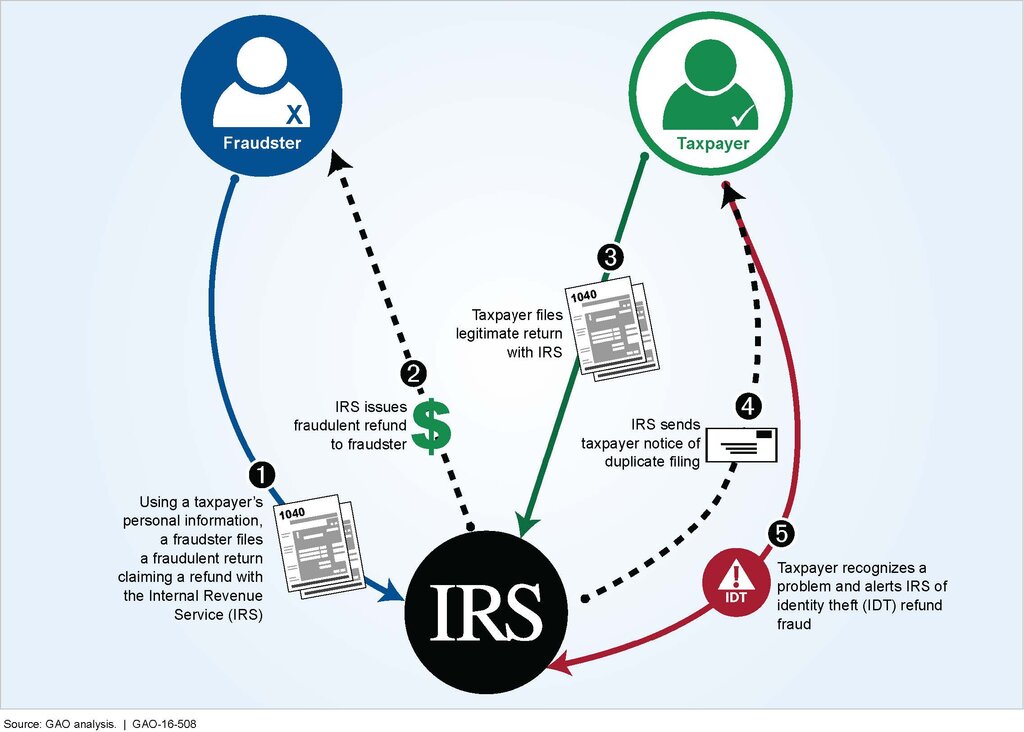
History is filled with cautionary tales. These large-scale data breaches show just how vulnerable PII can be.
Case Study: Equifax (2017) One of the most significant data breaches in history exposed the PII of nearly 147 million people. Hackers accessed names, Social Security numbers, birth dates, and addresses. The cause? A software vulnerability that the company failed to patch in time. The fallout included massive fines and a profound loss of public trust.
Rules of the Road
Because PII is so sensitive, governments around the world have created laws to regulate how organizations collect, store, and use it. These regulations establish a legal framework for data protection, forcing companies to take PII security seriously.
Two of the most influential regulations are the General Data Protection Regulation (GDPR) in Europe and the California Consumer Privacy Act (CCPA) in the United States. While their specifics differ, they share a common goal: to give individuals more control over their personal data.
| Regulation | Key Principles |
|---|---|
| GDPR | Requires explicit consent for data collection, grants individuals the "right to be forgotten," and mandates prompt notification of data breaches. |
| CCPA | Gives consumers the right to know what data is collected about them, the right to have it deleted, and the right to opt-out of its sale. |
Compliance isn't optional. Failing to adhere to these rules can result in staggering fines, sometimes totaling millions of dollars or a percentage of a company's global revenue. More than just a financial penalty, non-compliance signals to customers that their data isn't safe, leading to a loss of trust that can be even more damaging than the fine itself.
Data privacy is the principle that individuals should have control over how their personal data—also known as personally identifiable information (PII)—is collected, stored, accessed, used, and shared.
Ultimately, protecting PII is about respecting individual privacy. In a data-driven world, it's a fundamental responsibility for any organization that handles personal information.
Ready to check your understanding?
What is the primary definition of Personally Identifiable Information (PII)?
A person's zip code, date of birth, and gender, when used together to identify them, are examples of what?
Understanding these concepts is the first step toward building secure and responsible data systems.