Advanced Philosophical Frameworks
Existentialism vs Nihilism
The Crossroads of Meaninglessness
Both Existentialism and Nihilism begin in the same unsettling place: a universe without a pre-written script. They acknowledge that traditional sources of meaning, like God or a grand cosmic purpose, have lost their authority. This shared starting point is often called the 'Absurd' – the chasm between our human desire for meaning and the silent, indifferent universe that offers none. But from this shared ground, the two philosophies diverge dramatically. One sees a terrifying void, the other, a canvas for radical freedom.
Existentialism gets its name from an insistence that human life is understandable only in terms of an individual man’s existence, his particular experience of life.
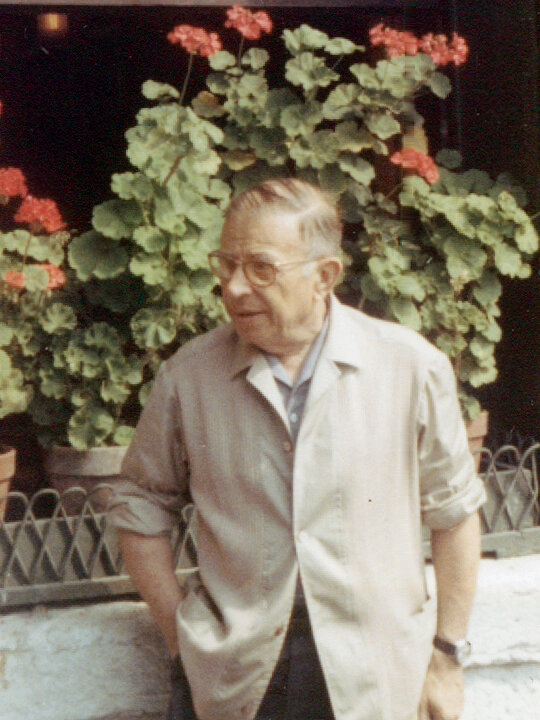
For the existentialist, the lack of inherent meaning isn't an end point; it's the starting pistol. French philosopher Jean-Paul Sartre famously declared that for humans, "existence precedes essence." This means you are not born with a fixed nature or purpose. You are born, you exist, and then through your choices and actions, you define who you are. You are the author of your own essence. Think of it like being given a blank block of marble. There is no pre-determined statue within it. You, and you alone, must pick up the chisel and decide whether to carve a hero, a monster, or nothing at all. This is the burden and glory of what Sartre called radical freedom.
The Nihilist's Abyss
Nihilism looks into the same abyss and sees only the fall. If there is no objective meaning, no divine plan, and no universal moral truth, then everything is ultimately pointless. Values like 'good' and 'evil' become baseless illusions. Why strive? Why create? Why care? The nihilist conclusion is that any meaning we create is a fiction, a temporary distraction from the fundamental nothingness of it all.
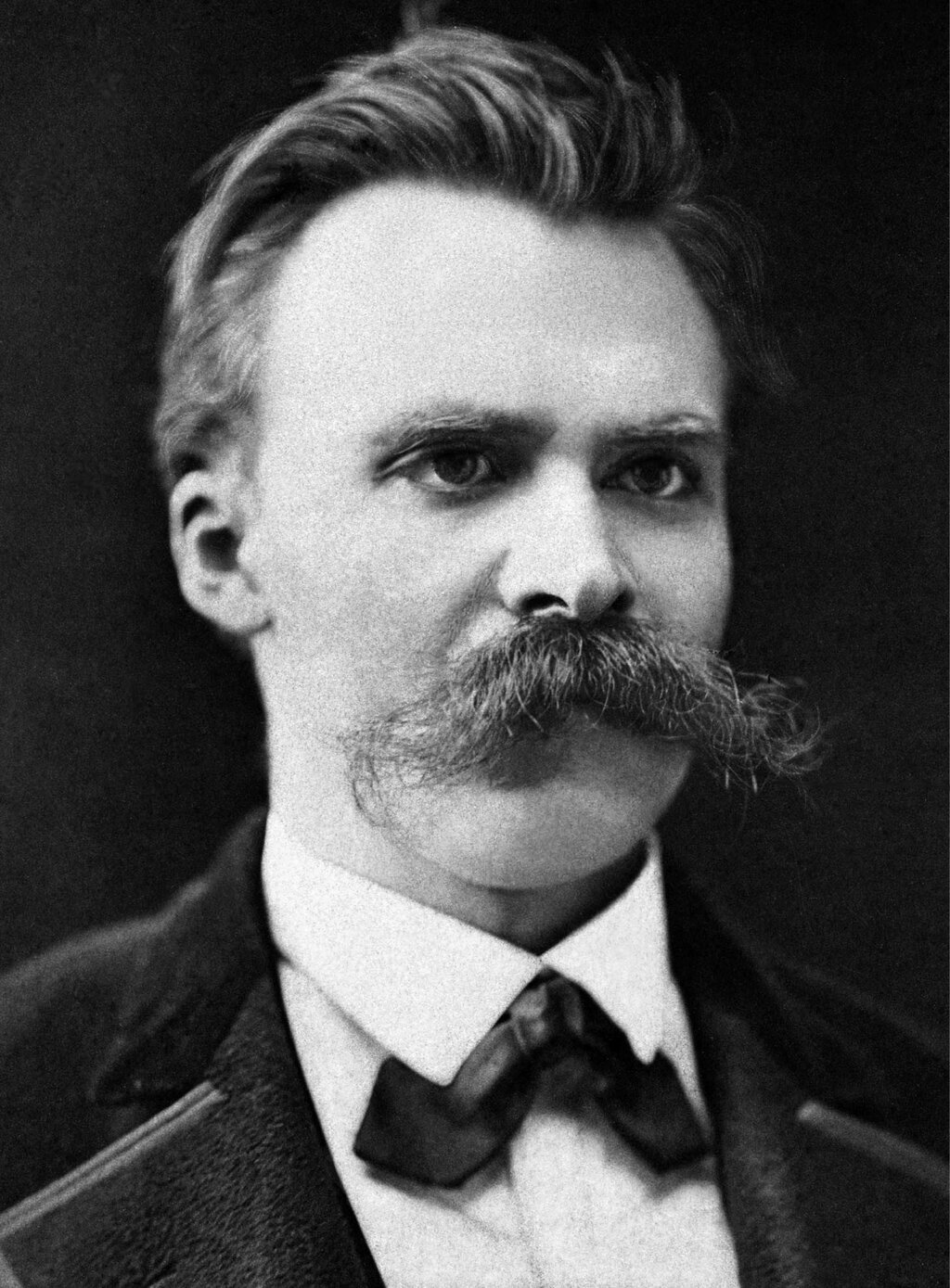
Friedrich Nietzsche, often mistakenly labelled a pure nihilist, was actually its greatest diagnostician. He saw nihilism as a looming threat to Western civilisation. He distinguished between two forms: Passive and Active Nihilism. Passive Nihilism is the nihilism of despair and resignation. It's the exhausted sigh of the 'Last Man,' who seeks only comfort and security, having abandoned all higher aspirations. Active Nihilism, on the other hand, is a destructive force. It actively seeks to tear down the old, hollow values that no longer serve humanity. For Nietzsche, this destructive phase was a necessary, though dangerous, step towards creating something new.
Nietzsche warned that without God, inherited moral frameworks would crumble, necessitating the creation of new, life-affirming values to avert passive nihilism.
Creating Value vs Rejecting It
Here lies the core conflict. The existentialist embraces the responsibility of radical freedom. Because you are free, you are condemned to choose. Every action you take is a brushstroke in the self-portrait of your life, and by extension, a statement about how all humans ought to live. This creates an immense sense of moral responsibility. If you choose cowardice, you are in effect saying that cowardice is a legitimate way for humanity to be. Your life becomes your argument for what has value.
Nietzsche's answer to the crisis of nihilism was the 'Übermensch' or 'Overman'. This is not a tyrant or a superhero, but an individual who overcomes the despair of meaninglessness by creating their own values. The Übermensch is a self-mastered individual who affirms life in its entirety, with all its suffering and joy. They don't seek external validation for their values; their will to live and thrive becomes the justification. They legislate their own morality, moving 'beyond good and evil' as defined by the old, defunct traditions.
The philosopher Albert Camus offered another way of confronting this dilemma with his concept of the 'Absurd Hero'. He used the Greek myth of Sisyphus, a man condemned for eternity to push a boulder up a hill, only to watch it roll back down. Camus saw this as a metaphor for human existence. The task is meaningless and repetitive. Yet, Camus argues that the moment Sisyphus acknowledges the futility of his task and pushes the boulder anyway, in full awareness of his fate, he is free. In that conscious rebellion, he finds his meaning. As Camus famously wrote, "One must imagine Sisyphus happy."
| Philosophy | Response to Meaninglessness | Central Concept | Psychological Outcome |
|---|---|---|---|
| Existentialism | Create meaning through choice and action. | Radical Freedom & Responsibility | Empowerment, anxiety, authenticity |
| Nihilism | Reject meaning as an illusion. | The Void / Nothingness | Despair, liberation from moral burdens, apathy |
So, while both views start from a world stripped of purpose, they end in radically different places. Existentialism places the burden and the power of creation squarely on the individual's shoulders. It's a demanding philosophy, but one that offers the potential for profound, self-authored meaning. Nihilism, in its passive form, is the surrender to meaninglessness, a path that can lead to either a strange sense of freedom or a deep, existential despair.
Now, let's test your understanding of these divergent paths.
What is the fundamental difference in how Existentialism and Nihilism respond to a universe without inherent meaning?
What did Jean-Paul Sartre mean by the phrase "existence precedes essence"?