Advanced Personal Health Optimization
Nutrient Timing Strategies
The Post-Workout Window
You've probably heard about the “anabolic window,” a supposedly magical 30-60 minute period after your workout where your body is primed to build muscle and replenish energy. The idea is simple: consume protein and carbs immediately after training, or you’ll miss your chance for optimal gains. While the concept isn't entirely wrong, the window is much wider than most people think.
Due to the transient anabolic impact of a protein-rich meal and its potential synergy with the trained state, pre- and post-exercise meals should not be separated by more than approximately 3–4 hours, given a typical resistance training bout lasting 45–90 minutes.
After a tough workout, two key processes need to happen: your muscles need to repair and grow, and your energy stores need to be refilled. The repair process is called muscle protein synthesis (MPS). Resistance training signals your body to build new muscle tissue, but it needs the right building blocks, specifically amino acids from protein, to do the job. The energy replenishment process involves restoring muscle glycogen, your body's primary fuel source for high-intensity activity, which is derived from carbohydrates.
While both processes are elevated for up to 24 hours or more, they are most sensitive in the hours immediately following exercise. This is especially true for glycogen resynthesis, which happens most rapidly in the first few hours post-workout. For MPS, the key isn't just consuming protein, but consuming enough of the right kind of protein to hit the “leucine threshold.”
Leucine, mTOR, and Spacing Your Meals
Not all amino acids are created equal when it comes to triggering MPS. Leucine acts as a direct signal to initiate the muscle-building process. Consuming about 2-3 grams of leucine in a meal is enough to flip the switch on a crucial signaling pathway called , which is the master regulator of cell growth. This is why high-leucine protein sources like whey, dairy, eggs, and meat are particularly effective post-workout. A dose of 20-40 grams of high-quality protein will typically provide enough leucine to maximize the MPS response.
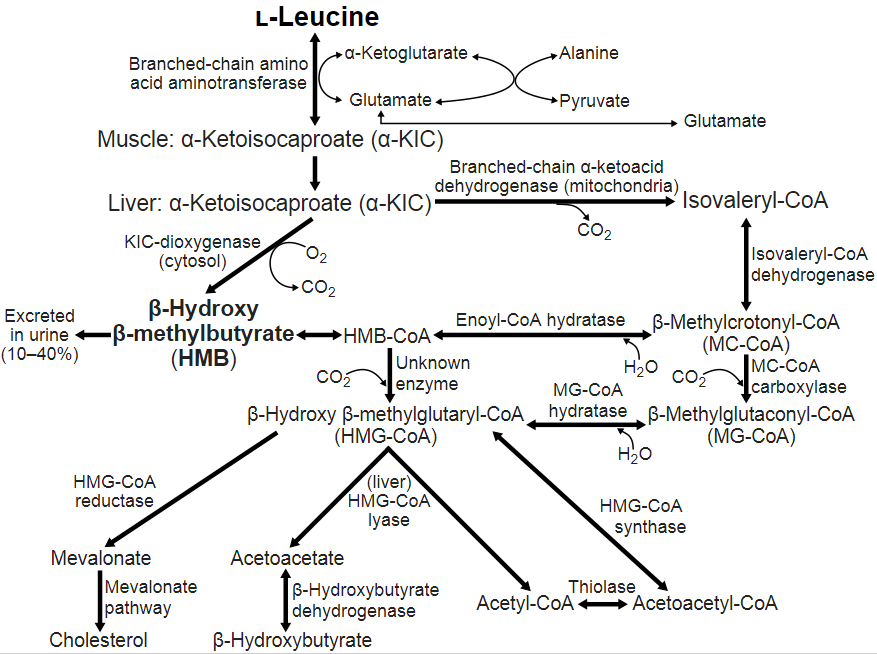
Since the MPS response to a meal lasts for a few hours before returning to baseline, you can't just consume all your protein in one sitting and expect to stay in a muscle-building state all day. A more effective strategy is to spread your protein intake evenly across the day.
By consuming 20-40 grams of protein every 3-6 hours, you can repeatedly trigger MPS and maintain a steady supply of amino acids in your bloodstream. This prevents your body from entering a catabolic state, where it starts breaking down muscle tissue for energy. This steady-stream approach ensures your muscles have the resources they need for continuous repair and growth.
Timing for Real Life
So how does this apply to specific schedules? Aligning your nutrition with both your training and your body's natural [{
First-Thing-AM Training: If you work out fasted, you're in a catabolic state. To flip the switch to anabolic, consuming a post-workout meal with 20-40g of protein and some carbohydrates is crucial. This will kickstart MPS and begin replenishing glycogen. If you can't eat a full meal, a whey protein shake is an excellent, fast-digesting option.
Late-PM Training: A common concern is that eating a big meal after an evening workout will disrupt sleep. While a heavy, hard-to-digest meal isn't ideal, forgoing post-workout nutrition is worse. The solution is a smart meal: focus on lean protein and easily digestible carbs. Another powerful strategy is . Consuming a slow-digesting protein like casein before bed can elevate MPS overnight, promoting recovery while you sleep without significantly disturbing it.
| Scenario | Pre-Workout Strategy | Post-Workout Strategy (0-2 hours) | Rest of Day |
|---|---|---|---|
| Morning Training | Train fasted or have a small carb/protein snack | 20-40g protein + 30-60g carbs | Eat balanced protein meals every 3-6 hours |
| Mid-Day Training | Balanced meal 2-3 hours prior | 20-40g protein + 30-60g carbs | Continue with protein-spaced meals |
| Evening Training | Balanced meal 2-3 hours prior | Easily digestible meal with 20-40g protein | Consider 20-30g slow-digesting protein (casein) before bed |
Now you have a foundation for building a nutrient timing plan. Let's review the key ideas.
Ready to test your knowledge?
What is the most accurate description of the “anabolic window” for muscle growth?
Which amino acid is the primary trigger for initiating muscle protein synthesis by activating the mTOR pathway?
By moving beyond simple calorie counting and strategically timing your nutrient intake, you can provide your body with the resources it needs, exactly when it needs them. This alignment of nutrition with training and circadian biology is a powerful tool for optimizing recovery and performance.