Advanced Periodontitis Treatment Strategies
Understanding Periodontitis
When Gums Give Way
Periodontitis is what happens when a mild gum inflammation, known as gingivitis, gets out of control. It’s a serious infection that goes beyond the gum surface, attacking the very structures that hold your teeth in place: the ligaments and the bone. While gingivitis is reversible, periodontitis involves permanent damage.
Periodontitis
noun
A severe gum infection that damages the soft tissue and destroys the bone that supports teeth, potentially leading to tooth loss.
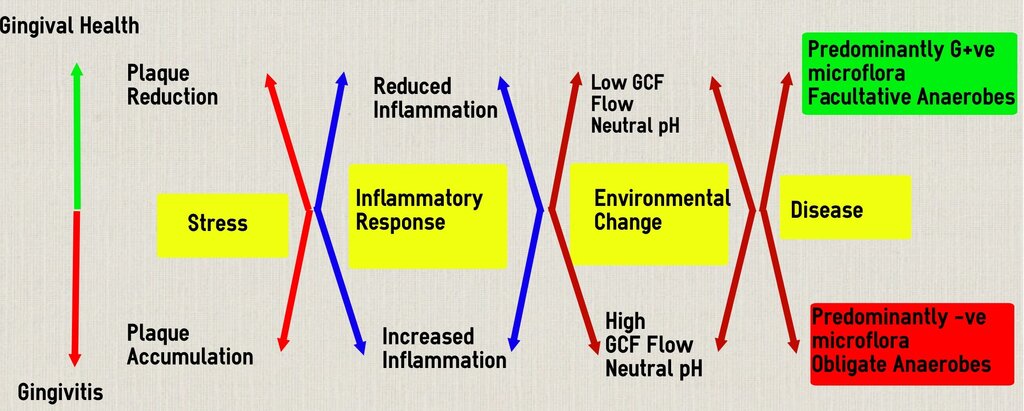
The core of the problem is the body's own immune response. When harmful bacteria build up along the gumline, the immune system launches an attack. This ongoing battle creates chronic inflammation. In an attempt to eliminate the bacteria, the body's defensive processes start to break down the bone and connective tissue that anchor the teeth. This creates pockets between the gums and teeth, which then fill with more bacteria, deepening the infection.
Causes and Risk Factors
The primary cause is bacterial plaque, a sticky, colorless film that constantly forms on your teeth. If not removed, this plaque hardens into tartar (or calculus), which can only be removed by a dental professional. Tartar provides a protective shield for bacteria, making them harder to eliminate and allowing them to thrive below the gumline.
However, plaque isn't the only culprit. Several factors can increase your risk of developing periodontitis:
- Smoking: This is one of the most significant risk factors. Smoking weakens your immune system's ability to fight off gum infection and also slows down healing.
- Diabetes: People with diabetes are more susceptible to infections, including periodontitis. High blood sugar can worsen gum disease, and severe gum disease can, in turn, make blood sugar harder to control.
- Genetics: Some people are simply more genetically predisposed to gum disease.
- Hormonal Changes: Fluctuations in hormones, such as those during pregnancy or menopause, can make gums more sensitive and vulnerable to inflammation.
- Medications: Certain drugs, like some anti-seizure medications and calcium channel blockers, can cause abnormal gum tissue growth, making it harder to keep teeth clean.
The Stages of Destruction
Periodontitis doesn't appear overnight. It progresses through stages, starting with simple gingivitis. In the early stage, the gums become inflamed, red, and may bleed easily. The bone and connective tissue are not yet affected. This stage is completely reversible with good oral hygiene and professional treatment.
Gingivitis is the warning sign. Periodontitis is when the structural damage begins.
If left untreated, gingivitis advances to periodontitis. Dentists measure the depth of the pockets around the teeth to determine the severity of the disease. In healthy gums, these pockets are typically 1-3 millimeters deep. As periodontitis progresses, these pockets deepen, indicating a loss of the supporting bone and tissue.
The progression is typically categorized as follows:
| Stage | Key Characteristics |
|---|---|
| Gingivitis (Precursor) | Red, swollen gums that may bleed. No bone loss. |
| Early Periodontitis | Pockets deepen to 4-5 mm. Minor bone loss begins. |
| Moderate Periodontitis | Pockets are 6-7 mm deep. Moderate bone loss. Teeth may start to loosen. |
| Advanced Periodontitis | Pockets are deeper than 7 mm. Severe bone loss. Teeth may shift, become very loose, or require extraction. |
Recognizing the transition from gingivitis to periodontitis is key. While the early signs of gingivitis are mild, the consequences of periodontitis are serious and often irreversible.
What is the primary cause of periodontitis?
What is the key difference between gingivitis and periodontitis?