Advanced PCB Reverse Engineering Techniques
Introduction to PCB Reverse Engineering
Deconstructing Electronics
A Printed Circuit Board, or PCB, is the green board that acts as the nervous system for nearly every electronic device. It's a complex maze of copper pathways and components that bring gadgets to life. But what if you only have the finished board, with no blueprints or schematics? How do you figure out how it works?
This is where reverse engineering comes in. It's the process of taking a finished product and working backward to understand its design, components, and functionality. Think of it like a chef tasting a complex sauce and trying to figure out the exact ingredients and steps to recreate it.
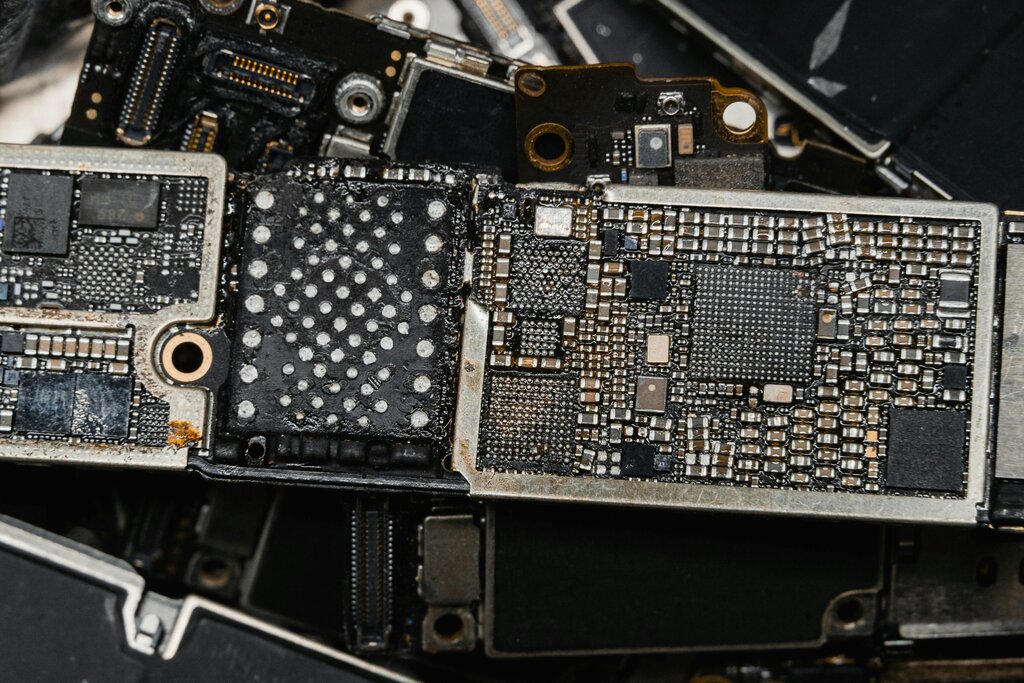
The goal isn't just to make a copy. Often, the purpose is to analyze a design, document how an undocumented system works, or even improve upon it. By carefully examining a PCB, engineers can reconstruct the original schematic diagram, creating a blueprint where none existed before.
Real-World Applications
PCB reverse engineering is more than an academic exercise; it has practical uses across many fields. One of the most common is maintaining and repairing legacy systems. Imagine a critical piece of factory machinery from the 1980s breaks down. The original manufacturer is long out of business, and spare parts are impossible to find. Reverse engineering the failed circuit board is often the only way to produce a replacement and get the machine running again.
It's also a powerful tool in security research. Experts analyze the hardware of devices like routers and smart home gadgets to find vulnerabilities that could be exploited by hackers. By understanding the physical layout and components, they can identify weak points that wouldn't be visible from software analysis alone.
In industry, reverse engineering can also be used to create compatible products. For a new device to work with an existing one, its creators might need to deconstruct the original's interface to ensure seamless communication.
The Fine Line of Ethics and Law
The practice of reverse engineering operates in a legal and ethical gray area. It's not inherently illegal, but its purpose and methods matter greatly. The key is intent. Are you analyzing a product to learn from it, or are you trying to steal a competitor's intellectual property?
Intellectual property laws, including patents, copyrights, and trade secrets, protect original designs. Directly copying and selling a patented circuit design is illegal. However, using reverse engineering for purposes like interoperability or security analysis is often legally protected, especially in the United States and Europe. The Digital Millennium Copyright Act (DMCA), for example, includes exemptions for reverse engineering done in good faith for security research.
Ethically, the lines can be even blurrier. While analyzing a competitor's product to understand their technology is common practice, creating a direct knockoff is widely considered unethical. The goal should be to learn and innovate, not simply to copy.
Ultimately, anyone engaging in reverse engineering must be aware of the laws in their jurisdiction and the ethical standards of their profession. It's a powerful technique that demands responsibility.