Advanced Operations Management and Analytics
Operations Management Foundations
The Engine Room of Business
Operations management is the art and science of getting things done. It’s about how a company takes inputs, like raw materials and labor, and transforms them into outputs—the goods and services you buy. Think of it as the engine room of a business, where the core work of creating value happens.
The main goal is simple: to be both efficient and effective. Efficiency means doing things with the least amount of waste. Effectiveness means doing the right things to create value for the customer.
Every organization has operations, from a massive car factory to your local coffee shop. The factory manages an assembly line, while the coffee shop manages the process of taking your order, making your drink, and getting it to you quickly. Both are focused on making their processes as smooth as possible.
Designing the System
Before a single product is made, someone has to design the production system. This is the blueprint for how work will flow. A key decision is choosing the right type of process. Are you building custom homes, where every project is unique? Or are you producing millions of identical pens?
The answer determines your setup. A custom home builder uses a project-based process, bringing workers and materials to one site. The pen manufacturer uses a high-volume assembly line, where the product moves through a standardized sequence of steps. Each design is suited for a different goal.
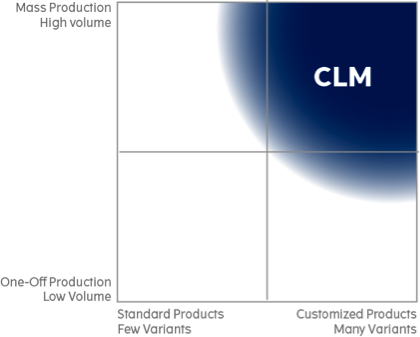
The design of the system has a huge impact on cost, quality, and speed. A well-designed system makes everything that follows easier, while a poor design creates constant problems and inefficiencies.
Mapping Your Process
Once a system is in place, you need to understand exactly how it works. This is where process analysis comes in. It involves breaking down a process into its individual steps to see what's really happening. The best way to do this is often to draw a map or a flowchart.
By visualizing the process, you can spot redundancies, delays, and bottlenecks. A bottleneck is a step that limits the capacity of the entire process, like a single slow cashier in a busy supermarket. Improving the bottleneck is often the fastest way to improve the whole system.
In the pizza example, maybe preparing the dough is fast and adding toppings is quick. But if you only have one small oven, it doesn't matter how fast the other steps are. The oven is the bottleneck that determines how many pizzas you can make per hour. Process analysis makes these constraints obvious.
Capacity and Demand
That brings us to capacity planning. Capacity is the maximum amount of output a process can handle in a given period. For our pizza shop, it might be 20 pizzas per hour. For a car factory, it might be 500 cars per day.
Capacity planning is a balancing act. You want to have enough capacity to meet customer demand, but not so much that you're paying for idle resources. If the pizza shop expects a rush on Friday nights, it needs to ensure it has enough ovens, staff, and ingredients to handle it. If it overestimates, it wastes money on staff who are standing around and ingredients that might spoil.
The goal is to align your capacity with predicted demand as closely as possible. This involves forecasting, scheduling, and sometimes finding flexible ways to adjust capacity up or down as needed.
The Supply Chain Connection
No business is an island. Your operations depend on a network of other companies: the suppliers who provide raw materials, the logistics companies that move goods, and the retailers who sell the final product. This entire network is the supply chain.
Supply chain management is about coordinating and managing all these moving parts. It involves everything from sourcing raw materials and managing inventory to warehousing and transportation. A disruption anywhere in the chain, like a supplier running out of a key component, can bring your entire operation to a halt.
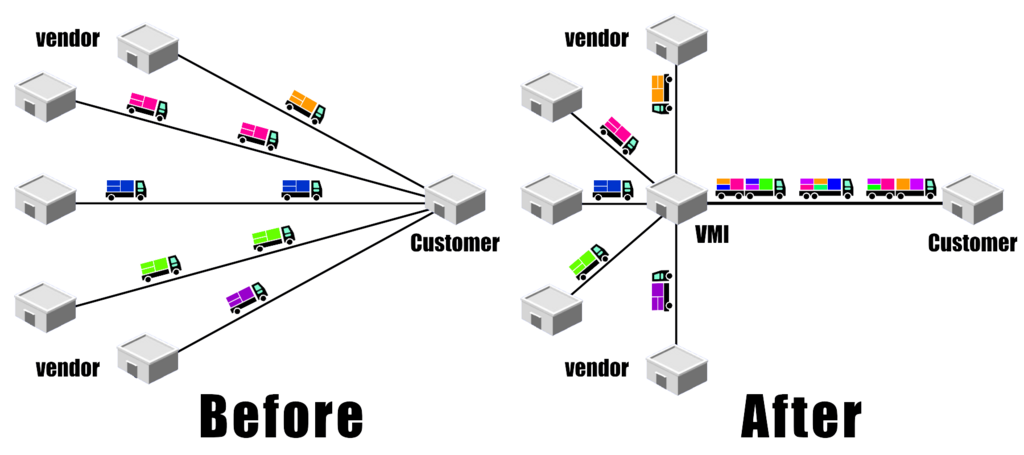
Effective supply chain management ensures that materials flow smoothly into your production process and that finished goods get to the customer reliably and on time. It's about collaboration and communication, turning a simple chain of transactions into a synchronized, efficient system.
These core ideas—designing systems, analyzing processes, planning capacity, and managing the supply chain—are the foundation of operations management. Mastering them is key to building a healthy, productive, and competitive business.
What is the primary role of operations management within a business?
A custom home builder constructing a unique house on a client's property is an example of a project-based production system.