Advanced Nutritional Bio-hacking for Skin and Metabolism
Molecular Synergy and Bioavailability
The Antioxidant Recycling System
Glutathione (GSH) is the cell's primary antioxidant, but its power comes from a partnership. When glutathione neutralizes a free radical, it becomes oxidized, turning into glutathione disulfide (GSSG). In this state, it's temporarily out of commission. This is where Vitamin C (ascorbic acid) steps in. Vitamin C donates an electron to GSSG, regenerating it back into its active, reduced GSH form. This is known as the glutathione-ascorbate redox cycle and it's a critical process for maintaining cellular defense against oxidative stress.
This cycle effectively allows a single molecule of glutathione to be used over and over, amplified by the presence of Vitamin C. Without adequate Vitamin C, the pool of active glutathione would quickly become depleted, leaving cells vulnerable to damage. They work as a team, with Vitamin C acting as a recharger for the frontline defender.
The Bioavailability Problem
Simply taking a standard glutathione supplement isn't very effective. The reason lies in the digestive system. An enzyme in the intestines called gamma-glutamyl transpeptidase (GGT) rapidly breaks down glutathione into its constituent amino acids: cysteine, glycine, and glutamine. While these building blocks are useful, the direct antioxidant benefit of the intact glutathione molecule is lost.
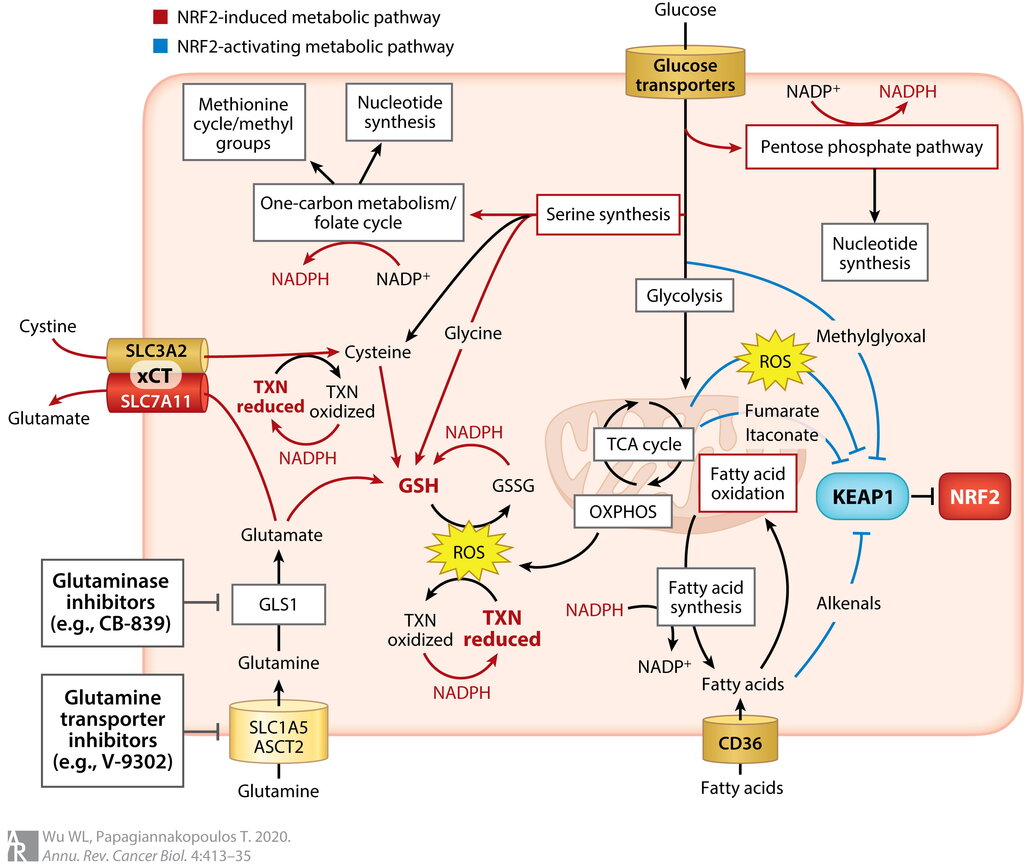
This poor bioavailability has led to more advanced delivery methods. Liposomal glutathione, for instance, encases the molecule in a tiny lipid bubble. This protective layer helps it survive the digestive tract and absorb more effectively into the bloodstream. Another strategy is to bypass digestion entirely and focus on supplying the raw materials. Supplementing with precursors like N-Acetylcysteine (NAC) provides a stable form of cysteine, which is often the rate-limiting amino acid in the body's own glutathione production process. When paired with sufficient glycine and glutamine from diet or supplements, the body can synthesize its own glutathione where it's needed most: inside the cells.
| Method | Mechanism | Advantage | Disadvantage |
|---|---|---|---|
| Oral Glutathione | Direct supplementation | Simple and accessible | Very low bioavailability due to GGT |
| Liposomal Glutathione | Encapsulated delivery | Bypasses GGT for better absorption | Higher cost, variable quality |
| Precursors (NAC) | Provides raw materials | High bioavailability, supports natural production | Synthesis requires other amino acids |
Fueling the Factory
Instead of just importing the finished product, you can support your body's internal glutathione factory. This involves a diet rich in sulfur-containing compounds, known as These compounds are essential for synthesizing cysteine, the key precursor. Foods like garlic, onions, broccoli, kale, and Brussels sprouts are excellent sources of these sulfur donors. Pairing these foods with protein sources rich in glycine (like bone broth or poultry) and glutamine (like beef or eggs) provides all the necessary components for robust endogenous glutathione synthesis.
Consuming adequate cysteine and NAC is important for various health reasons, including replenishing the most potent antioxidant in your body, glutathione.
By understanding the synergy between Vitamin C and glutathione, addressing bioavailability challenges with smart supplementation, and fueling your body's natural production with the right foods, you can maintain a high-tide of intracellular antioxidants for optimal cellular health. The goal isn't just to add antioxidants, but to support the entire system that creates, uses, and recycles them.
What is the primary role of Vitamin C in the glutathione-ascorbate redox cycle?
Why is taking a standard oral glutathione supplement often ineffective?