Advanced Neuronal Structure and Function
Soma Ultrastructure
The Neuron's Command Centre
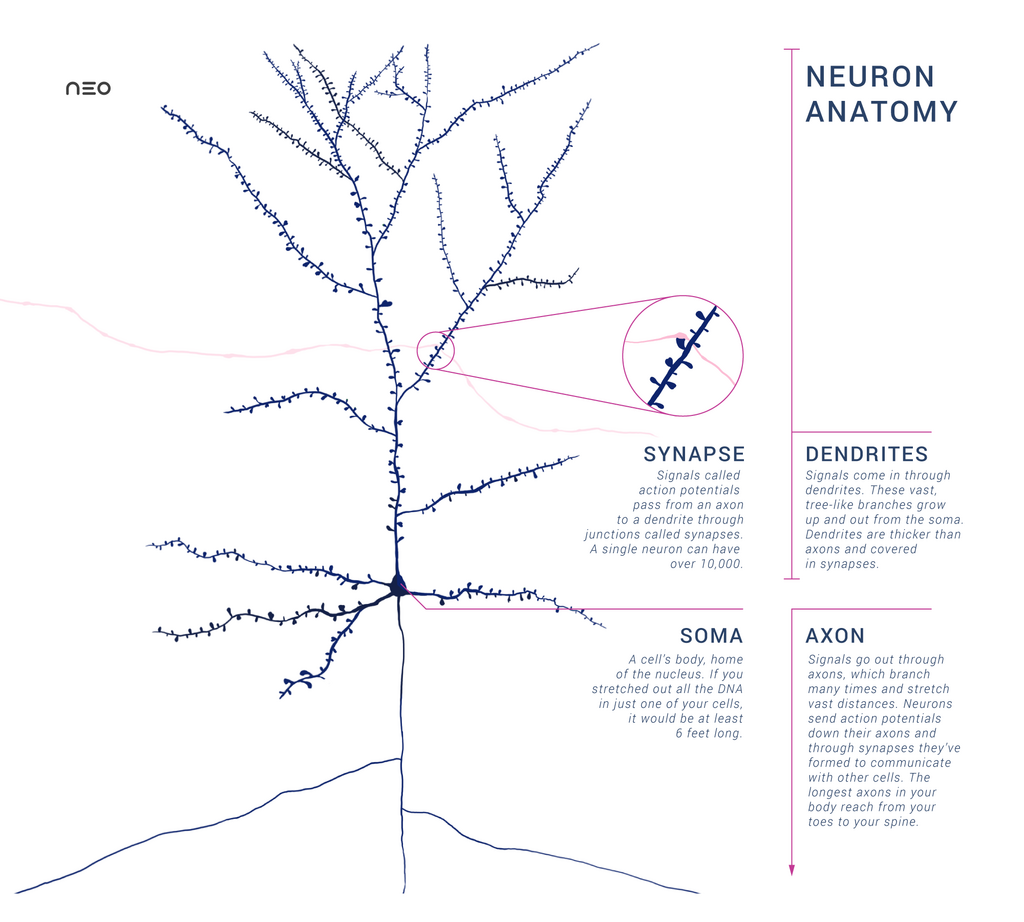
The soma, or cell body, is the neuron's metabolic and biosynthetic core. While it shares basic components with other cells, the unique demands of neural communication have led to highly specialized internal structures. It's not just a passive container for the nucleus; it's an active factory, power plant, and logistics hub all rolled into one.
The Protein Factory
One of the most distinct features inside a neuron's soma is the or Nissl bodies. These are granular clusters that appear dark when stained. They are, in essence, the neuron's version of the rough endoplasmic reticulum, densely packed with ribosomes. This arrangement isn't just for show; it reflects the neuron's relentless need for protein synthesis.
Neurons are constantly producing neurotransmitters, ion channels, receptors, and enzymes. This massive output requires a robust manufacturing setup. The sheer amount of Nissl substance indicates a cell that is intensely active in producing proteins, not just for its own maintenance, but to support the entire length of its axon and its many synaptic connections.
Powerhouses and Scaffolding
All this cellular activity consumes a vast amount of energy. Consequently, the soma is packed with mitochondria. These organelles are the power plants of the cell, generating ATP to fuel everything from the synthesis of neurotransmitters to the active transport needed to maintain ion gradients across the cell membrane. A neuron at rest is still a busy place, and its mitochondrial density reflects this constant high metabolic demand.
Maintaining the neuron's intricate shape requires an internal skeleton. The neuronal cytoskeleton is composed of microtubules and neurofilaments. Microtubules act like railway tracks, guiding the transport of vesicles, organelles, and proteins from the soma down the axon. Neurofilaments are space-filling structural proteins that provide tensile strength and maintain the diameter of the axon, which is crucial for the speed of nerve impulse conduction.
Blueprint for Plasticity and Repair
The neuron's nucleus is the control room. It's typically large and contains a prominent nucleolus. The nucleolus is the site of ribosome production, and its large size is another testament to the neuron's huge requirement for protein synthesis. But the nucleus's role goes far beyond simple maintenance.
It is central to —the ability of synapses to strengthen or weaken over time, which is the cellular basis for learning and memory. When you learn something new, specific signaling pathways travel to the nucleus, activating genes that transcribe new proteins. These proteins are then shipped out to modify the synapse, making the connection more robust. This process, known as long-term potentiation (LTP), physically changes the brain's wiring based on experience.
The soma's active role is also clear when things go wrong. If an axon is damaged, the soma initiates a response called a few days after the injury. The Nissl bodies disperse, and the nucleus moves to the edge of the cell body. This isn't a sign of death, but rather a massive reorganization. The cell shifts its focus from producing neurotransmitters to synthesising structural proteins needed to regenerate the damaged axon. It's a dramatic demonstration of the soma's function as the neuron's life-support and repair centre.
Understanding these specialized structures within the soma provides insight into how a neuron can perform its complex tasks of communication, adaptation, and self-repair.
What is the primary function of the Nissl substance found within a neuron's soma?
If a neuron's axon is severely damaged, the soma undergoes a process called chromatolysis. What does this process primarily involve?