Advanced Neurodiversity Coaching Mastery
Advanced Neurodiversity Coaching Strategies
Bespoke Executive Function Support
Moving beyond standard executive function (EF) planners and apps requires a shift towards co-designing personalised systems. This process starts with enhancing a client's interoceptive awareness—their ability to perceive their internal state. By linking interoception to EF capacity, clients can learn to recognise physiological cues that signal impending EF overload, such as fatigue or sensory overwhelm. This allows for proactive regulation rather than reactive crisis management.
The coach's role is to scaffold metacognitive skills for self-monitoring and dynamic strategy adaptation. Instead of providing a fixed tool, you guide the client in analysing why a particular strategy failed or succeeded in a specific context. Techniques like 'A/B testing' different approaches to task initiation or using a 'strategy journal' can help clients build a bespoke toolkit that adapts to fluctuating energy levels and environmental demands.
Focus on building the client's capacity to create and modify their own support systems, treating them as the expert on their own neurocognition.
Sensory-Friendly Communication
Effective coaching hinges on communication that respects and accommodates the client's sensory processing profile. This goes beyond simply asking about preferences and involves actively modifying interaction styles. For clients who find direct eye contact demanding, employ parallel processing by discussing topics while engaging in a low-demand shared activity, like walking or doodling. This reduces the cognitive load associated with social monitoring, freeing up resources for deeper processing.
For those with auditory processing challenges, supplement verbal discussions with real-time written summaries via a shared document. This provides a persistent reference point and reduces the pressure to process information instantly. Consider creating a 'Communication Passport' with the client—a document that outlines their specific communication needs, preferences, and potential triggers. This tool empowers the client to advocate for their needs in other contexts as well.
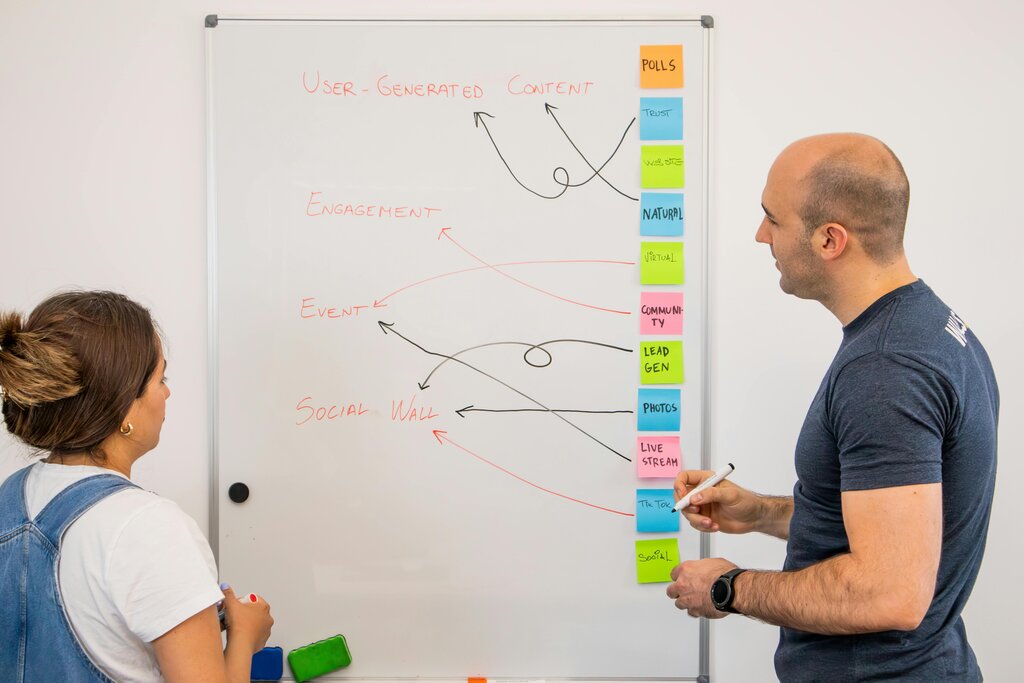
Finally, utilise multi-modal communication. Instead of relying solely on speech, incorporate visuals, text, and even kinesthetic elements to convey concepts. This approach acknowledges that information is often best understood when presented through multiple sensory channels.
Navigating Systemic Challenges
An advanced coaching practice extends beyond individual skill-building to help clients navigate systemic barriers. This involves equipping them with the tools for strategic disclosure and self-advocacy. Rather than a blanket 'disclose or not' approach, you can help clients develop a nuanced framework for deciding when, how, and to whom they disclose their neurodivergence, weighing the potential benefits against the risks in specific workplace or educational cultures.
This includes coaching them on how to request accommodations effectively. Role-playing conversations with managers or university disability services can be invaluable. The goal is to frame requests not as a deficit-based need, but as a proactive strategy for optimising performance and contribution. It's about translating their needs into the language of organisational benefit, such as increased productivity or improved quality of work.
Therapeutic interventions may involve environmental assessments, accommodation planning, and advocacy for systemic changes that support neurodivergent individuals’ participation and success.
Building a 'circle of support' is another key strategy. This involves helping clients identify allies, mentors, and peer networks who can provide validation and practical support, reducing the isolation that often accompanies navigating unaccommodating systems.
Leveraging Strengths and Creating Supportive Environments
A truly neuro-affirming approach shifts the focus from 'fixing' challenges to leveraging unique strengths. For a monotropic client, this means helping them design their work and life around their deep interests, creating an environment where their capacity for hyperfocus becomes a significant asset. The coaching conversation moves from 'How can you manage your distractions?' to 'How can we engineer an environment that allows for deep, uninterrupted focus?'
Creating a psychologically safe coaching environment is paramount. This means explicitly stating that all forms of communication and expression are valid, honouring the need for stimming, and never pathologising a client's neurotype. The coach's role is to model acceptance and curiosity, creating a space where the client feels safe to unmask and explore their authentic self.
Ultimately, the goal is to co-create environments where clients can thrive. This involves a collaborative exploration of what conditions—sensory, social, and structural—allow them to be their most effective, creative, and regulated selves. The coach acts as a facilitator in this process of environmental design.
Let's check your understanding of these advanced strategies.
What is the primary benefit of enhancing a client's interoceptive awareness in the context of executive function (EF) coaching?
A coach is working with a client who finds direct eye contact cognitively demanding. Which communication strategy aligns with the principles of a neuro-affirming practice?
By integrating these advanced strategies, you can provide coaching that is not only effective but also deeply affirming, empowering your neurodivergent clients to navigate challenges and leverage their unique strengths for success.