Advanced Mutual Fund Unitization and Reporting
Fund Accounting Basics
Keeping the Books for Others
Imagine you and your friends decide to pool your money to buy a bunch of different stocks. Instead of each person tracking every single purchase and sale, you create a central pot. Fund accounting is the system used to manage that pot. It’s a specialized type of accounting used for investment funds, like mutual funds or hedge funds, where money from many investors is combined into a single investment pool.
The basic principle of fund accounting is the separation of funds into individual accounts.
Unlike regular corporate accounting, which tracks the finances of a single business, fund accounting treats each fund as a distinct entity with its own set of books. This separation is crucial for transparency and fairness. Each investor owns shares of the fund, and the value of those shares needs to be calculated accurately and regularly, usually every business day.
Net Asset Value (NAV)
noun
The per-share market value of a mutual fund or an exchange-traded fund (ETF). It is the price at which investors buy and sell shares in the fund.
The primary goal of fund accounting is to calculate the Net Asset Value (NAV). This figure represents the value of one share in the fund. The calculation is straightforward in concept:
This daily calculation ensures that when investors buy or sell shares, they do so at a fair price that reflects the fund's current performance.
The Fund Administrator
The detailed work of fund accounting is handled by a fund administrator. This can be an internal department of the investment firm or, more commonly, a specialized third-party company. Think of them as the official scorekeepers for the fund.
Their responsibilities are critical to the fund's operation:
- NAV Calculation: This is their core function. They gather data on all the fund's assets and liabilities to compute the daily NAV.
- Investor Services: They track who owns what. When you buy into a fund (a subscription) or sell your shares (a redemption), the administrator processes the transaction and updates the ownership records.
- Financial Reporting: They prepare the fund’s financial statements, such as the semi-annual and annual reports sent to shareholders.
- Compliance: They help ensure the fund adheres to the complex web of government regulations.
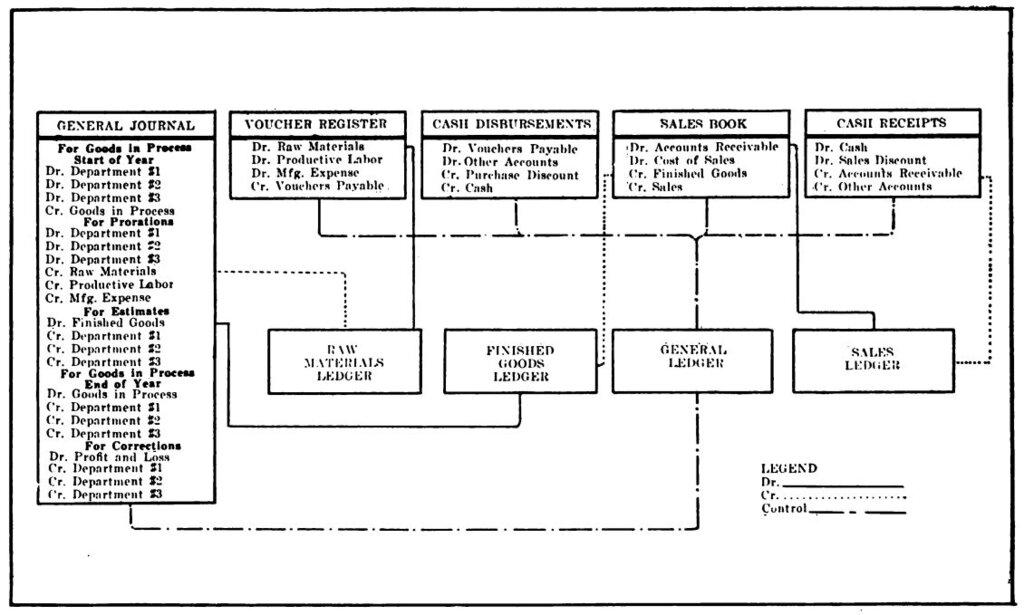
By handling these operational details, the fund administrator allows the fund manager to focus on what they do best: making investment decisions.
The Rules of the Road
The world of investment funds is heavily regulated to protect investors. In the United States, two key pieces of legislation form the foundation of this oversight. These laws were passed in the wake of the 1929 stock market crash to restore public trust in the financial markets.
The Investment Company Act of 1940 is the primary law governing mutual funds. It sets the rules for how funds must be organized and operated. A key requirement is that funds must register with the Securities and Exchange Commission (SEC). The act also mandates that funds disclose their financial condition and investment policies to investors, and it limits how much debt they can take on.
The other cornerstone is the Securities Exchange Act of 1934. While the 1940 act focuses on the funds themselves, the 1934 act governs the trading of securities on the secondary market—where investors buy and sell securities from each other. It established the SEC and gave it broad authority over all aspects of the securities industry. This includes the power to require periodic reporting from companies, which provides the public with a steady stream of information to make informed investment decisions.
What is the primary goal of fund accounting?
Which formula correctly represents the calculation for a fund's Net Asset Value (NAV) per share?