Advanced Microcurrent Technology and Applications
Cellular Mechanisms
The Cellular Power Plant
Our bodies run on energy. At the cellular level, this energy comes in the form of Adenosine Triphosphate, or ATP. Think of ATP as the rechargeable battery for every cell. When a cell needs to perform a function, like repairing tissue or contracting a muscle, it spends ATP. The powerhouses that produce this ATP are called mitochondria.
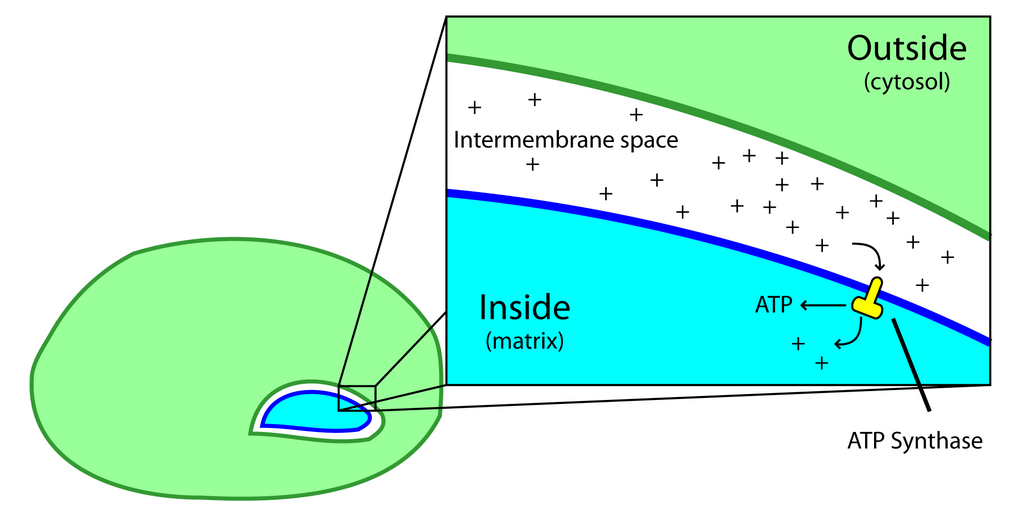
Microcurrent therapy introduces a very low-level electrical current (between 100-500 microamperes) that works in harmony with the body's natural electrical signals. This specific current range has a profound effect on mitochondria. It optimizes the function of a key enzyme complex called H+-ATPase, also known as ATP synthase. This enzyme acts like a tiny turbine. As hydrogen ions (H+) flow through it, it spins and generates ATP from its precursor, ADP.
By enhancing the efficiency of this process, microcurrent can increase ATP production in tissues by up to 500%. This massive energy boost provides cells with the resources they need to heal and regenerate much more effectively.
But why does a low current work so well when a higher one might seem more powerful? This is explained by the a principle observed in pharmacology and physiology. It states that weak stimuli tend to accelerate biological activity, moderate stimuli can have mixed effects, and strong stimuli will inhibit or suppress activity. Microcurrent's gentle touch is precisely what makes it so effective for healing, as it stimulates cellular processes without overwhelming or damaging them.
Building Blocks of Repair
Beyond just providing energy, cellular repair requires raw materials. The primary building blocks for new tissue are proteins, which are constructed from amino acids. For a cell to create proteins, it must first transport these amino acids across its membrane from the bloodstream.
Microcurrent has been shown to enhance this process significantly. By improving cell membrane permeability and activating transport mechanisms, it can increase amino acid uptake by 30-40%. With more ATP to power the process and more amino acids available as building materials, protein synthesis speeds up. This directly translates to faster repair of damaged muscle, skin, and connective tissues.
Waking Up the Muscles
The concept of 'muscle re-education' goes beyond simple strengthening. In cases of injury, chronic pain, or aging, muscle fibers can become less responsive. The communication between nerves and muscles can weaken, leading to atrophy and poor function. Microcurrent helps restore this communication at the most fundamental level: the ion channel.
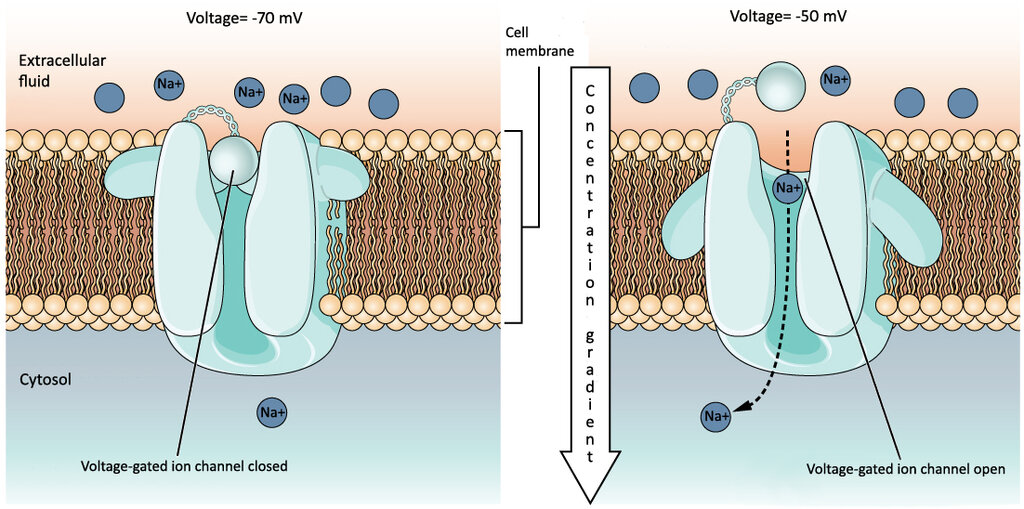
Cell membranes are studded with These are specialized pores that open or close in response to changes in electrical potential. When a nerve signals a muscle to contract, it does so by changing the voltage across the muscle cell's membrane, which opens channels for ions like sodium and calcium to rush in. This influx of ions is the direct trigger for muscle contraction.
In damaged or atrophied muscle, these channels can become less responsive. Microcurrent provides the gentle electrical stimulus needed to remind these channels how to function, facilitating their opening and closing. This improves the muscle's ability to respond to the body's own neural signals. A key part of this process is the regulation of calcium. Proper muscle function relies on a precise balance of calcium ions inside and outside the cell. By promoting the healthy function of ion channels, microcurrent helps restore this crucial calcium homeostasis, allowing for smooth, controlled muscle contractions and relaxation.
What is the primary role of mitochondria in our cells?
How does microcurrent therapy specifically increase the production of ATP?
By operating at the cellular level, microcurrent doesn't just mask symptoms; it provides the energy and facilitates the electrochemical processes necessary for true healing and functional restoration.