Advanced Martial Arts Principles
Combat Philosophy Paradigms
The Way vs. The Skill
At the heart of martial arts lie two competing philosophies, often distinguished by a single Japanese suffix: 'do' versus 'jutsu'. This isn't just a matter of linguistics; it's the core difference between an art practiced for self-perfection and a science designed for combat effectiveness.
The path of 'Do' (道) translates to 'the way' or 'the path'. Arts like Judo, Kendo, and Aikido fall into this category. Their primary goal is not just to teach fighting techniques, but to cultivate the practitioner's character. Training is a vehicle for developing discipline, mindfulness, and moral fortitude. The ultimate opponent is oneself. For example, Judo, which means 'the gentle way', was developed by Jigoro Kano from older, more brutal Jujutsu forms. Kano removed the most dangerous techniques to create a system that could be practiced safely while still developing the body and spirit.
Judo, developed by Jigoro Kano in the late 19th century, focuses on throws and grappling, turning an opponent’s strength against them.
Conversely, '' (術) translates to 'technique', 'skill', or 'art'. Arts like Jujutsu, Kenjutsu, and Ninjutsu embody this philosophy. These systems originated as battlefield or self-defense methods where the sole measure of success was survival. The focus is on pure combative utility. The techniques are direct, efficient, and often lethal. There's less emphasis on spiritual growth and more on the practical application of force to neutralize a threat as quickly as possible. The evolution from Jujutsu to Judo is a perfect example of a martial science being refined into a martial path.
The Test of Aliveness
How do we distinguish a practical technique from a theoretical one? The answer lies in the training methodology, specifically a concept called 'Aliveness'. Aliveness refers to training against a resisting, non-compliant partner who is actively trying to apply their own techniques on you. It's the difference between practicing a punch on a stationary bag and sparring with someone who is moving, blocking, and punching back.
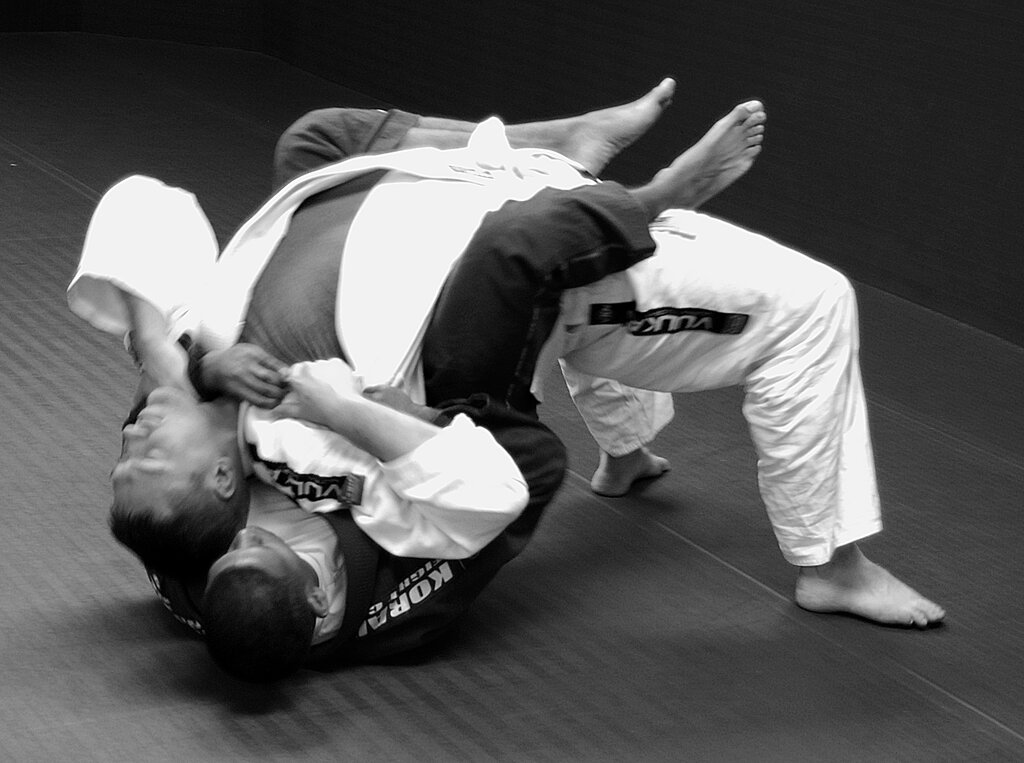
Many traditional arts rely on pre-arranged, choreographed forms called kata. While kata can be excellent for memorizing movements and developing good mechanics, they lack aliveness. Your partner knows exactly what you're going to do and reacts accordingly. This can create a false sense of security. Modern combat systems, like Brazilian Jiu-Jitsu and Mixed Martial Arts, have placed aliveness at the forefront of their training. The historical shift from battlefield arts to modern sports saw a decline in this type of training, but its resurgence has forced a re-evaluation of what makes a martial art effective in a real-world scenario.
Intent Shapes the Movement
The final piece of the puzzle is intent. The 'why' behind a movement dictates the 'how'. A Karate punch practiced in a dojo for points in a tournament is fundamentally different from a punch thrown in a dark alley to create an opportunity to escape. In the first case, the intent is to score cleanly without causing excessive harm, leading to a controlled, often retracted, motion. In the second, the intent is to create maximum impact and disorientation, resulting in a strike that drives through the target with full body weight.
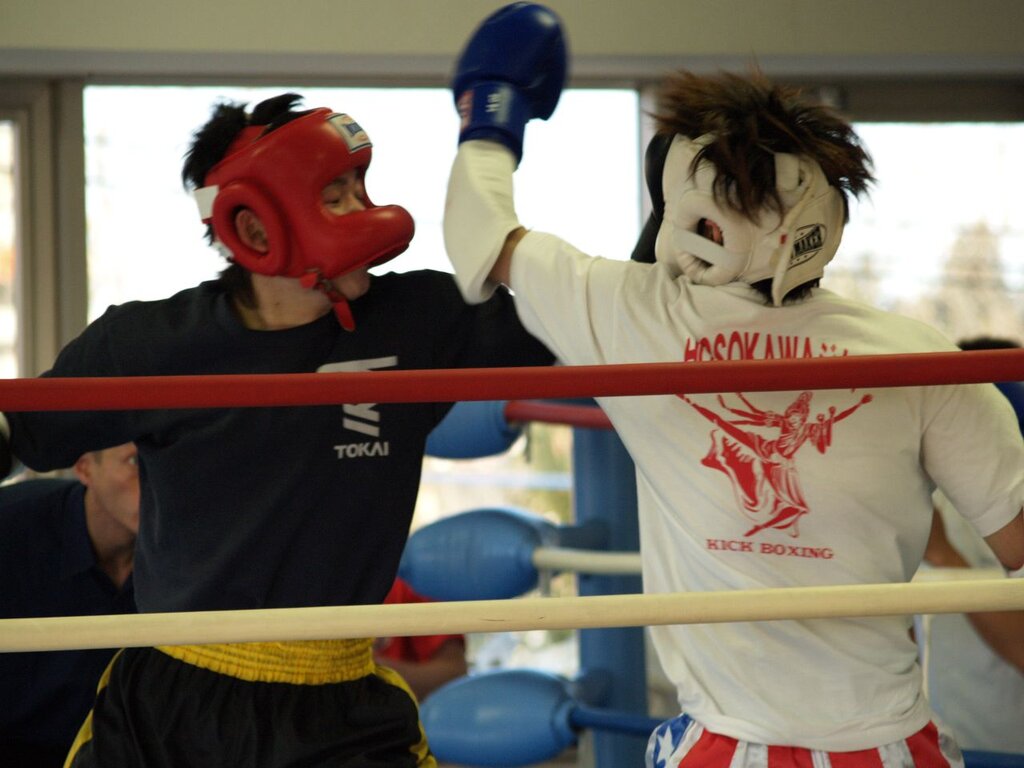
This principle is visible when comparing arts. Judo's philosophy of redirection and control is born from an intent to neutralize an opponent efficiently and with minimal injury. This 'Do' mindset shapes its techniques to be based on leverage and off-balancing. In contrast, the direct, linear strikes of many Karate styles reflect a 'Jutsu'-like intent to end a confrontation decisively. Even within a single art, the practitioner's mental state transforms the technique. Are you training to win a match, to perfect a form, or to survive an attack? Your answer determines the nature of your martial art.
What is the primary goal of a martial art that ends in the suffix '-do', such as Judo or Aikido?
The evolution of Jujutsu (a '-jutsu' art) into Judo (a '-do' art) involved removing the most dangerous techniques. Is this statement true or false?