Advanced Local SEO Strategies
Advanced Local Keyword Research
Understanding Local Search Intent
You already know about search intent—navigational, informational, and transactional. But local intent adds another layer: immediacy. When someone searches for a local business or service, they often need something now.
A search for "coffee shops in Portland" isn't just a casual inquiry. It's a person, probably on their phone, looking for a place to get coffee in the next hour. This is different from someone searching for "how to brew coffee," which is purely informational.
Local searches often include geographic modifiers like a city, neighborhood, or the phrase "near me." Google is smart enough to infer location even without these cues, prioritizing nearby results for queries like "tire repair" or "sushi restaurant."
The key is to distinguish between "doing" queries and "knowing" queries. "Emergency plumber in Brooklyn" is a doing query. "How to fix a leaky faucet" is a knowing query. Both can lead to a customer, but the content you create for each should be very different.
| Search Query | Intent Type | Immediacy |
|---|---|---|
| "emergency vet downtown" | Transactional | High |
| "best parks in Austin" | Informational | Medium |
| "hardware store hours" | Navigational | High |
| "sushi delivery Williamsburg" | Transactional | High |
Advanced Tools and Tactics
Basic keyword tools can give you volume, but they often miss the nuance of local search. To dig deeper, you need to use the search engine itself as a tool.
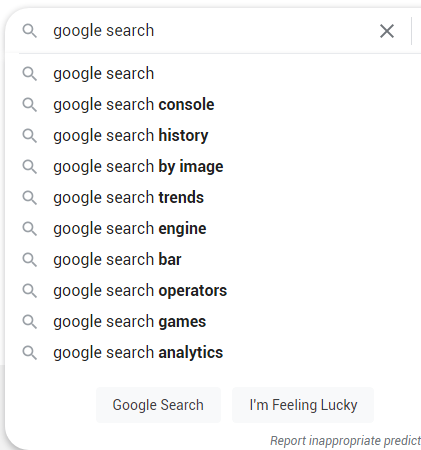
Start typing a local search into Google. The autocomplete suggestions are a direct look into what real people are searching for. These are often long-tail keywords with high intent. The "People also ask" section on the results page is another goldmine, revealing the specific questions your potential customers have.
You can also leverage competitor analysis tools like Ahrefs or SEMrush with a local focus. Instead of looking at national competitors, analyze the businesses that show up in the Google
Local Pack
noun
A section of Google search results that displays local business listings on a map. When you search for a local service, it's the box with three businesses and a map that appears at the top.
for your target keywords. See what terms they rank for. This isn't about copying their strategy, but understanding what's already working in your specific market.
Semantic Clustering for Local SEO
Instead of creating a separate page for every keyword variation, advanced SEO uses semantic clustering. This involves grouping closely related keywords around a single core topic and targeting them on one comprehensive page. This builds topical authority, signaling to search engines that you are an expert on that subject.
For a local business, this is incredibly powerful. Imagine you're a roofer in Dallas. Instead of having separate, thin pages for "roof repair Dallas," "Dallas shingle replacement," and "leaky roof fix Dallas," you create one authoritative page about "Roof Repair Services in Dallas."
This single page would cover all those subtopics. It would answer questions related to each of those keywords, establishing your business as the go-to resource for all things roofing in that specific location. This strategy is more efficient and far more effective at building authority than targeting keywords one by one.
Hyperlocal content stands out as a powerful but often overlooked part of advanced local SEO strategies.
By understanding the immediate intent behind local searches, using advanced methods to find the exact phrases people use, and clustering them into authoritative pages, you move beyond basic SEO. You start to dominate your local market.
What key characteristic distinguishes local search intent from other types of intent like informational or transactional?
A user searches for "tire repair" without including a city or the phrase "near me." Why would Google still prioritize showing local businesses in the results?