Advanced Local Dimming Algorithms
Introduction to Local Dimming
The Problem with Black
An LCD screen, like the one in your TV or monitor, works by shining a light through a panel of liquid crystals. This light is called a backlight, and in older or simpler displays, it's always on at a uniform brightness. The liquid crystals twist and turn to block light or let it pass through, creating the colors and shapes you see.
This creates a problem for dark scenes. When an image is supposed to be black, the liquid crystals try to block all the light from the backlight. But they're not perfect. A little bit of light always leaks through, turning true black into a hazy dark gray. This leakage limits the screen's contrast, which is the difference between the darkest black and the brightest white.
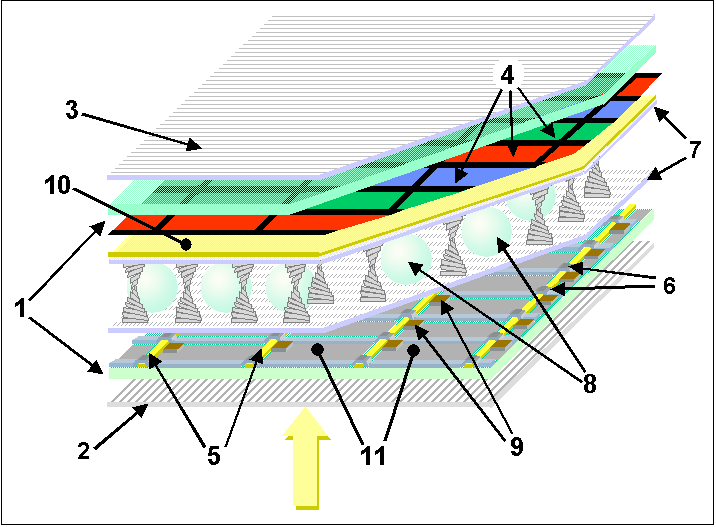
A Smarter Backlight
Local dimming is a clever solution to this problem. Instead of one big, uniform backlight, a screen with local dimming has a backlight divided into many different zones. These zones can be controlled independently.
Imagine you're watching a movie with a bright moon in a dark night sky. On a screen with local dimming, the backlight zones directly behind the moon will shine brightly. At the same time, the zones behind the dark sky will dim way down, or even turn off completely. This allows for deep, inky blacks right next to brilliant highlights.
Local dimming is a technique LED TVs use to improve contrast by dimming specific backlight zones in the darker areas of the screen, resulting in deeper blacks and better overall picture quality.
Better Picture, Less Power
The most obvious benefit of local dimming is a huge boost in contrast. By making darks darker, the entire picture gains depth and looks more realistic and punchy. This is why local dimming is a key feature in high-end TVs, monitors, and even some tablets and smartphones.
Local dimming dramatically boosts the contrast ratio of displays.
There's another advantage: energy efficiency. A standard backlight is always on at full blast, consuming a constant amount of power. With local dimming, the backlight LEDs are only as bright as they need to be. When displaying dark images, many zones are dimmed, which saves a surprising amount of electricity.
Ready to check your understanding of how this display technology works?
What is the primary problem in traditional LCD screens that local dimming is designed to solve?
How does a display with local dimming create the effect of a bright moon in a dark night sky?