Advanced Leather Selection for Footwear
Leather Properties
Strength and Substance
When you hold a piece of cowhide and a piece of sheepskin, the first difference you'll notice is weight and thickness. Cowhide is substantially thicker and denser. An average cowhide might be 1.2 to 2.5 millimeters thick, while sheepskin is often much finer, typically under 1 millimeter.
This difference in thickness directly translates to tensile strength, which is a material's ability to resist being pulled apart under tension. Because of its dense, interlocking collagen fibers, cowhide has a much higher tensile strength than sheepskin. This makes it incredibly durable and resistant to tearing and abrasion. It’s the go-to material for footwear that needs to withstand rough conditions, like work boots and sturdy dress shoes.
Sheepskin, with its looser fiber structure, is more delicate. While it's strong enough for many applications, it can't match the sheer toughness of cowhide.
| Property | Cowhide | Sheepskin |
|---|---|---|
| Thickness | Thicker (1.2-2.5mm) | Thinner (<1mm) |
| Fiber Structure | Dense, tightly packed | Looser, more porous |
| Tensile Strength | High | Moderate |
| Best For | Durability, structure | Softness, flexibility |
Flexibility and Feel
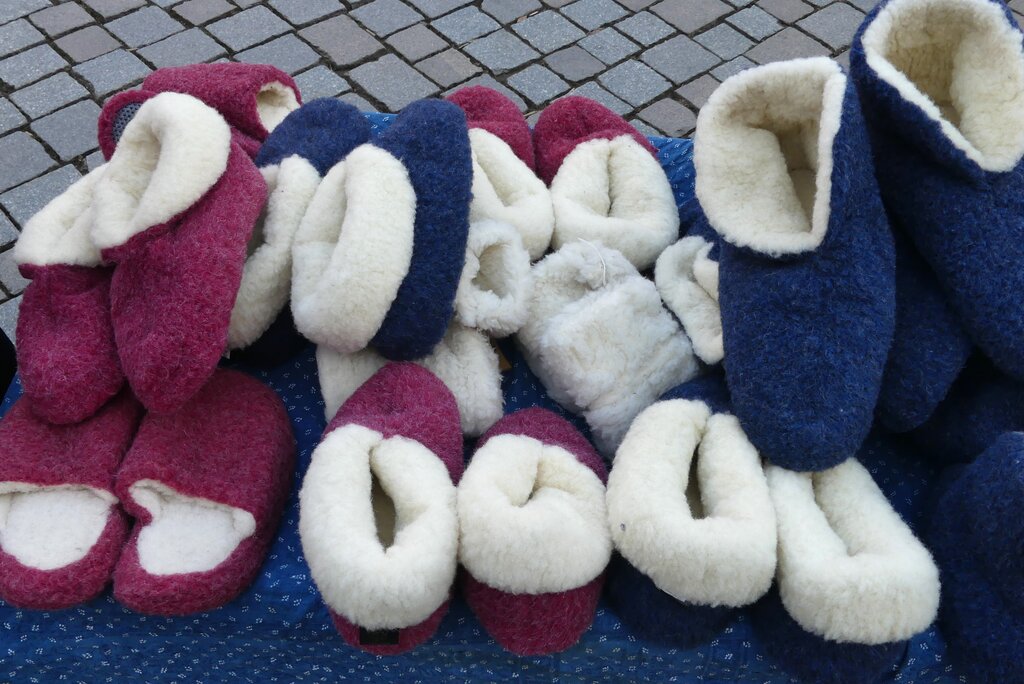
Strength isn't everything. The feel of a shoe is just as important, and this is where sheepskin shines. Its fine grain and lower density make it exceptionally soft and pliable. Sheepskin leather requires very little break-in time and conforms easily to the shape of your foot, creating a glove-like fit. This makes it perfect for comfortable footwear like slippers, loafers, and the linings of high-end shoes.
Cowhide, on the other hand, is stiffer and more structural. This rigidity isn't a drawback; it's a feature. It provides the support and protection needed for boots and formal shoes that must maintain their shape over years of wear. While a cowhide shoe might require a break-in period, its ability to hold its form is what gives it such a long life.
Breathing Room
Breathability refers to a material's ability to allow moisture vapor to pass through it. This is a critical property for footwear, as it helps regulate temperature and keep your feet dry and comfortable. The more porous a leather is, the more breathable it will be.
Sheepskin's fiber structure is naturally more open and porous than cowhide's. This allows air to circulate more freely, making it excellent at wicking away moisture. This is why sheepskin and shearling linings are so effective at keeping feet warm in the winter and surprisingly cool in the summer.
Cowhide is less breathable due to its dense fiber network. While it still allows for some moisture transfer—much more than synthetic materials—it doesn't perform at the same level as sheepskin. For footwear intended for athletic use or warm climates, manufacturers often perforate cowhide uppers to improve airflow. The choice between them ultimately hinges on the shoe's intended purpose: rugged durability or soft, breathable comfort.
Which property is most characteristic of sheepskin, making it ideal for shoe linings and slippers?
If you need to design a rugged boot that can withstand being pulled and stretched, you would prioritize a material with high ______.