Advanced Irish Economic Dynamics
Interconnectors Impact
The Role of Interconnectors
For an island grid like Ireland's, electricity interconnectors are more than just cables; they are strategic assets. They provide a physical link to neighbouring electricity markets, transforming the Single Electricity Market (SEM) from an isolated system into an integrated component of the wider European network. This integration is crucial for enhancing the resilience and efficiency of the grid.
Functionally, these high-voltage cables, typically High-Voltage Direct Current (HVDC) for submarine routes, enable the bidirectional flow of electricity. This allows Ireland to import power when domestic generation is insufficient or more expensive than in connected markets, and to export surplus power, particularly from renewable sources, when generation exceeds demand. This capability is vital for managing the variability inherent in Ireland's significant wind generation capacity.
Energy utilities need to ensure grid stability in the face of supply and demand peaks caused by factors like microgeneration and digital mobility, while continuing to meet new regulatory and reporting requirements.
By connecting to larger, more diverse generation portfolios, interconnectors provide access to ancillary services, such as frequency response and reserve capacity, which are essential for maintaining grid stability. This reduces the burden on domestic generators to provide these services, leading to a more efficient and secure system.
Economic and Strategic Benefits
The primary economic benefit of interconnection is its effect on wholesale electricity prices. By enabling access to cheaper sources of generation from interconnected markets, these links exert downward pressure on prices in the SEM. This process, known as price convergence, occurs as arbitrage opportunities are exploited: traders buy electricity in the lower-priced market and sell it in the higher-priced one until the prices, adjusted for transmission costs, align.
Increased interconnection capacity also enhances security of supply. By providing an alternative source of power during generation shortfalls or system emergencies, interconnectors reduce the risk of blackouts and the need for expensive domestic peaking plants. This diversification of supply sources is a critical component of Ireland's energy security strategy, particularly in the context of decommissioning older fossil fuel plants.
Furthermore, interconnectors are indispensable for integrating a high penetration of variable renewable energy sources (VRES). When Ireland's wind farms generate more power than the island can consume, interconnectors provide an export route, preventing costly curtailment of clean energy. This not only improves the economic case for renewable investments but also contributes directly to meeting decarbonisation targets.
New Interconnector Projects
Ireland is significantly expanding its interconnection capacity through two major projects: Greenlink and the Celtic Interconnector. These projects represent a strategic pivot, enhancing connectivity not just with Great Britain but also directly with continental Europe.
Greenlink Interconnector: This 500 MW HVDC subsea cable connects the electricity grids of Ireland and Great Britain between County Wexford and Pembrokeshire, Wales. Operational since 2024, Greenlink provides a new route for power flows, improving market efficiency and bolstering security of supply. It also strengthens the all-island market's ability to manage renewable variability.
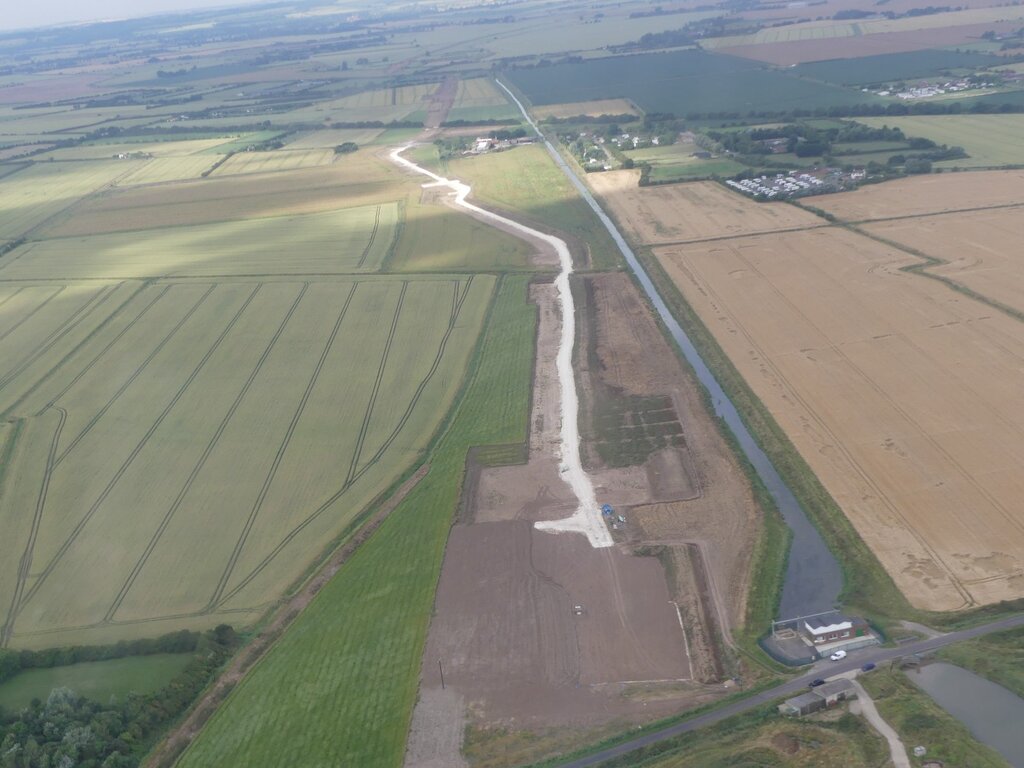
Celtic Interconnector: This is a more ambitious project, creating the first direct electricity link between Ireland and continental Europe. It is a 700 MW HVDC submarine cable connecting the south coast of Cork to the northwest coast of Brittany, France. Scheduled for completion in 2026, the Celtic Interconnector is a game-changer. It will provide Ireland with direct access to the vast and diverse European energy market, reducing its reliance on Great Britain for interconnection. This direct link will enhance competition in the SEM, provide a reliable export route for surplus wind generation, and secure a stable power supply post-Brexit.
Together, these projects will more than double Ireland's interconnection capacity. They are fundamental to the state's energy strategy, facilitating the transition to a decarbonised electricity system by providing the flexibility needed to accommodate up to 80% renewable generation. The economic benefits are projected to be substantial, stemming from lower wholesale electricity prices, reduced renewable curtailment, and enhanced security of supply.
What is the primary function of electricity interconnectors for an island grid like Ireland's?
How do interconnectors typically affect wholesale electricity prices in the Single Electricity Market (SEM)?
By strengthening ties to neighbouring grids, Ireland is ensuring its energy system is not only greener but also more resilient and economically efficient.