Advanced Immunization Science and Public Health
Immunological Mechanisms
Recognizing the Intruder
When a vaccine is introduced into your body, it contains a harmless piece of a pathogen, like a specific protein, or a weakened or inactivated version of the germ. This piece is called an antigen. Your immune system's first job is to recognize this antigen as something foreign that doesn't belong.
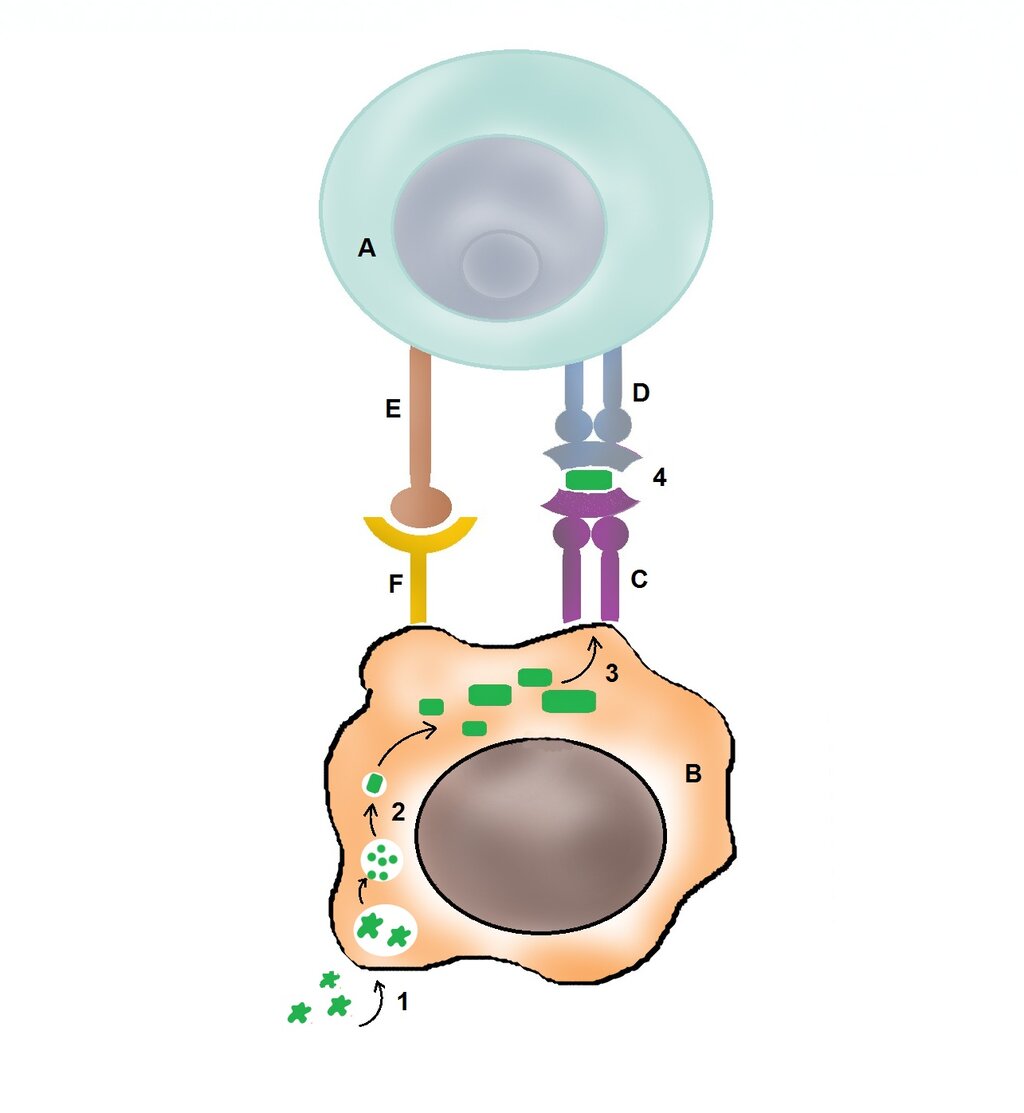
Specialized immune cells called antigen-presenting cells, or APCs, act as the first responders. The most common types are dendritic cells and macrophages. Think of them as security patrols. They find the vaccine's antigen, engulf it, and break it down into smaller fragments.
The APC then displays these fragments on its surface, essentially holding up a mugshot of the invader for other immune cells to see.
Activating the Troops
With the antigen identified and displayed, the APC travels to a lymph node, a hub where immune cells gather. Here, it presents the antigen to a specific type of white blood cell called a T-lymphocyte, or T-cell. This is a crucial handoff. Only a T-cell with a receptor that perfectly matches the antigen fragment will be activated.
Once activated, these T-cells multiply and differentiate into several types. Helper T-cells act as coordinators, releasing chemical signals called cytokines that rally other immune cells. Cytotoxic T-cells, or killer T-cells, are trained to find and destroy any of your body's cells that have been infected by the real pathogen.
Helper T-cells also activate another key player: the B-lymphocyte, or B-cell. B-cells can also recognize the vaccine antigen directly. When a B-cell finds its matching antigen and gets the go-ahead signal from a helper T-cell, it becomes fully activated.
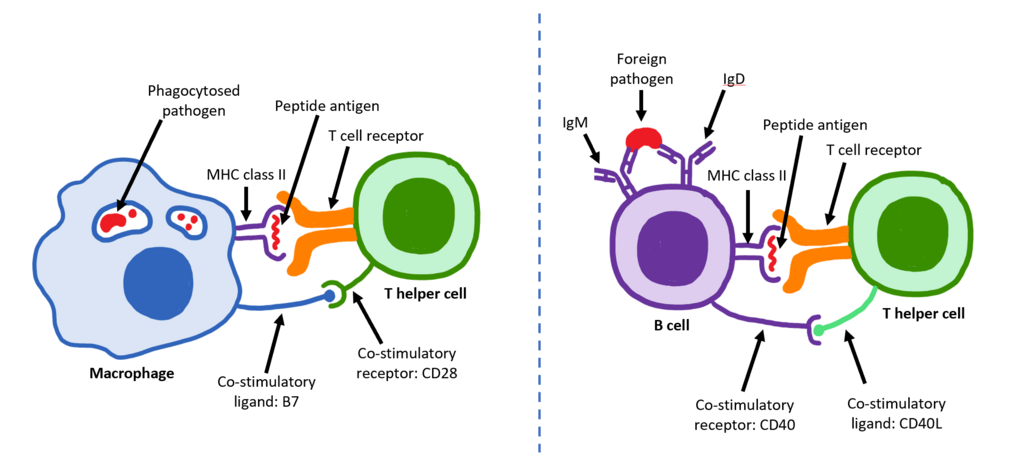
This activation triggers the B-cell to divide rapidly and transform into plasma cells. These plasma cells are antibody factories, pumping out millions of specialized proteins called antibodies. Each antibody is custom-built to bind to the specific antigen from the vaccine.
When antibodies bind to a pathogen, they simply label it for destruction by leukocytes with the innate ability to phagocytose (engulf) it, or cytotoxic (cell-killing) leukocytes and defensive proteins.
Building the Memory Bank
The primary immune response triggered by a vaccine is powerful, but its most important legacy is immunological memory. After the initial response, most of the activated T-cells and B-cells die off. However, a small subset remains as memory cells.
These memory T-cells and memory B-cells are long-lived and circulate through your body for years, sometimes even a lifetime. They are veterans of the initial training exercise provided by the vaccine.
If you are ever exposed to the actual pathogen in the future, these memory cells recognize the antigen immediately. This allows your immune system to launch a response that is much faster and stronger than the first time. The memory B-cells quickly become plasma cells and produce a flood of antibodies, while memory T-cells rapidly activate to coordinate the defense and kill infected cells. This secondary response is so efficient that it often neutralizes the pathogen before it can cause any noticeable symptoms of illness.