Advanced IFMA Facilities Management
Advanced IFMA Standards
The IFMA Core Competencies
The International Facility Management Association (IFMA) provides a framework of 11 core competencies that define the scope of modern facility management. These aren't just a list of responsibilities; they represent an integrated approach to managing the built environment. Mastering these areas allows a facility manager to move from a purely operational role to a strategic partner within an organization. They form the basis for effective decision-making, ensuring that facilities support the organization's primary objectives.
| Competency | Focus Area |
|---|---|
| Communication | Effectively sharing information with stakeholders at all levels. |
| Occupancy and Human Factors | Creating productive, safe, and comfortable work environments. |
| Quality | Managing and ensuring the quality of facility services and processes. |
| Technology | Implementing and managing technology systems for facilities. |
| Operations and Maintenance | Overseeing the day-to-day functions and upkeep of the facility. |
| Finance and Business | Managing budgets, procurement, and financial performance. |
| Emergency Management and Business Continuity | Planning for and responding to disasters and disruptions. |
| Leadership and Strategy | Aligning facility strategies with organizational goals and leading teams. |
| Real Estate and Property Management | Managing property acquisition, leasing, and disposal. |
| Project Management | Planning, executing, and overseeing facility-related projects. |
| Environmental Stewardship and Sustainability | Promoting sustainable practices and environmental responsibility. |
From Competency to Strategy
Viewing the competencies as isolated skills is a common mistake. Their real power emerges when they are integrated into a cohesive strategy. For example, Leadership and Strategy is not just about managing a team. It's about using the other ten competencies to inform a long-term vision for the facility that aligns directly with the company's mission. A strategic facility manager uses financial data (Finance and Business) and user feedback (Occupancy and Human Factors) to justify a major renovation project (Project Management) that will not only improve the workspace but also enhance employee productivity and support the company's growth targets.
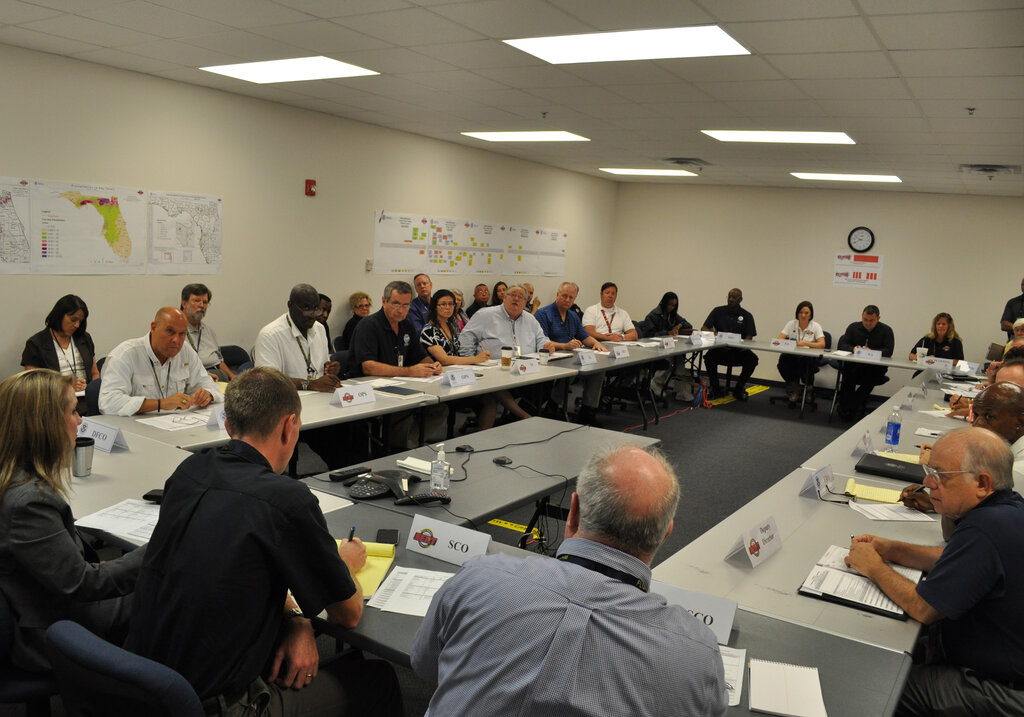
This strategic alignment requires strong leadership. The facility manager must be able to communicate the value of their initiatives to C-suite executives, demonstrating how investments in the built environment translate into tangible business outcomes. This involves translating operational metrics into the language of business, focusing on return on investment, risk mitigation, and talent retention.
Financial and Technological Integration
Financial acumen in facility management extends far beyond balancing a maintenance budget. It involves life cycle cost analysis, capital planning, and understanding the financial implications of leasing versus owning real estate. A competent FM uses financial models to forecast future expenses and build a compelling business case for proactive investments, such as upgrading an HVAC system to reduce long-term energy costs.
Technology is the engine that drives modern facility management. An Integrated Workplace Management System (IWMS) or Computerized Maintenance Management System (CMMS) can be used to track everything from work orders (Operations and Maintenance) to space utilization (Occupancy and Human Factors). This data provides the raw material for financial analysis and strategic planning. For instance, data showing high maintenance costs and energy consumption for an aging asset can be used to justify a capital request for its replacement.
Effective technology integration turns raw data into actionable intelligence, allowing FMs to make informed, strategic decisions rather than reactive, operational ones.
Case Study in Action
Consider a fast-growing tech company that is rapidly outgrowing its current office space. A purely operational facility manager might simply react by finding more space. A strategic facility manager, guided by IFMA's competencies, takes a more comprehensive approach.
First, they use Occupancy and Human Factors along with Technology to analyze current space utilization. Data from badge swipes and occupancy sensors might reveal that while some areas are overcrowded, others are underused. Instead of immediately leasing a new building, they propose a renovation (Project Management) to create a more flexible, hybrid work environment. They develop a detailed budget and ROI analysis (Finance and Business), showing that the renovation will cost less than a new lease over five years and will improve employee satisfaction.
They present this plan to leadership (Leadership and Strategy), using clear data visualizations and tying the project to the company's goals of attracting and retaining top talent. They also incorporate sustainable materials and energy-efficient systems (Environmental Stewardship) and develop a plan to manage the renovation with minimal disruption to business (Emergency Management and Business Continuity). By integrating multiple competencies, the facility manager provides a strategic solution that is more effective and financially sound than the simple, reactive answer.
Now, let's test your understanding of how these advanced concepts apply in practice.
According to the IFMA framework, what is the primary benefit of integrating the 11 core competencies?
A facility manager uses data on high energy consumption and frequent maintenance requests for an old HVAC unit to build a business case for its replacement. This action primarily demonstrates the integration of which two competencies?
By mastering and integrating these 11 competencies, facility managers can elevate their role and deliver significant value to their organizations.