Advanced Human Digestive Physiology
Enzymatic Oral Initiation
The Chemical Breakdown Begins
Digestion isn't just about grinding food into smaller pieces. The moment food enters your mouth, a sophisticated chemical process kicks off. This is orchestrated by saliva, a fluid that's far more than just water. It’s a complex mixture of electrolytes, mucus for lubrication, antibacterial compounds, and, most importantly, digestive enzymes.
The two stars of this initial process are salivary alpha-amylase and lingual lipase. Each has a specific target. Amylase immediately begins to dismantle complex carbohydrates, while lipase sets the stage for fat digestion that will ramp up later in the stomach.
It initiates in the oral cavity, where edibles undergo preliminary processing via mastication and enzymatic action within the saliva.
Carbohydrates First
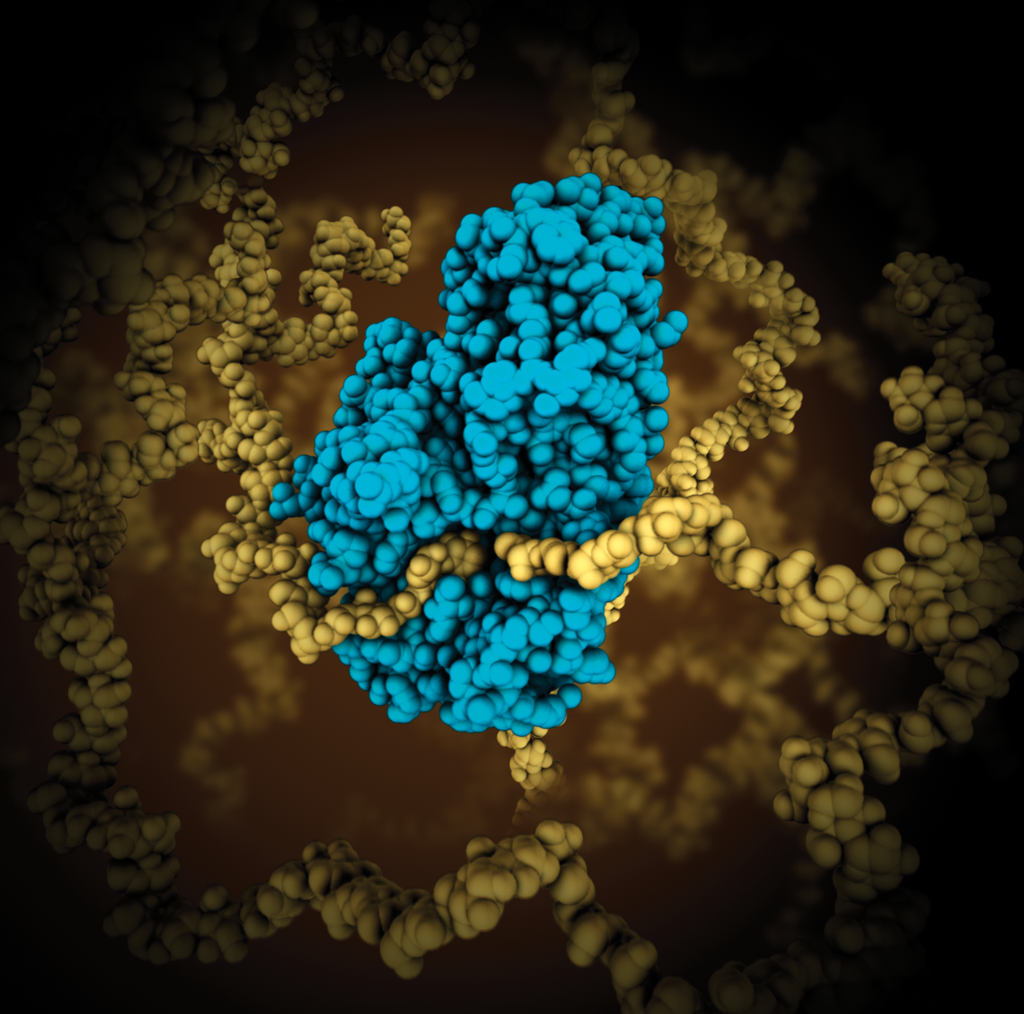
When you eat starchy foods like bread or potatoes, salivary alpha-amylase goes to work instantly. This enzyme targets the long chains of glucose molecules that make up starch. It specifically breaks the alpha-1,4-glycosidic bonds that link these glucose units together.
This action hydrolyzes large, complex polysaccharides into smaller, more manageable oligosaccharides, such as dextrins and maltose. The enzyme's effectiveness, however, is highly dependent on pH. It functions optimally in the slightly acidic to neutral environment of the mouth (pH 6.7–7.0) but is quickly denatured and inactivated by the highly acidic conditions of the stomach.
A Head Start on Fats
While carbohydrates are the first to be chemically digested, fats aren't ignored. The tongue's serous glands secrete an enzyme called lingual lipase, which begins the process of lipid hydrolysis. This enzyme targets triglycerides, the main form of fat in our diet.
Interestingly, lingual lipase is not very active in the neutral pH of the mouth. Its job is to mix with the food bolus so it can begin its work in earnest once it reaches the acidic environment of the stomach. There, it will start cleaving triglycerides into fatty acids and diglycerides, preparing them for more extensive breakdown in the small intestine. This early action is particularly important for infants in digesting the fats found in milk.
Swallowing and Saliva Control
Once chewing is complete and the food has been mixed with saliva to form a bolus, the process of swallowing, or , begins. This complex reflex involves the coordinated action of over 22 muscle groups in the mouth, pharynx, and esophagus. It starts voluntarily but quickly transitions into an involuntary pharyngeal phase, where the soft palate rises to block the nasal cavity and the epiglottis covers the larynx to prevent food from entering the airway.
The production of saliva itself is under the control of the autonomic nervous system. The stimulates the secretion of a watery, enzyme-rich saliva, typically in response to the sight, smell, or thought of food. In contrast, sympathetic stimulation, often associated with a 'fight-or-flight' response, leads to a much smaller volume of thick, mucus-rich saliva, which is why your mouth can feel dry when you're nervous.
Now, let's test your understanding of these initial digestive processes.
What is the primary function of salivary alpha-amylase?
Why does the activity of salivary alpha-amylase cease in the stomach?
By the time food leaves the oral cavity, it has been mechanically broken down and biochemically primed. The journey through the digestive tract has just begun, but crucial first steps in carbohydrate and lipid digestion are already complete.