Advanced Home Inspection Diagnosis and Strategy
Structural and Moisture Interplay
The Structure-Moisture System
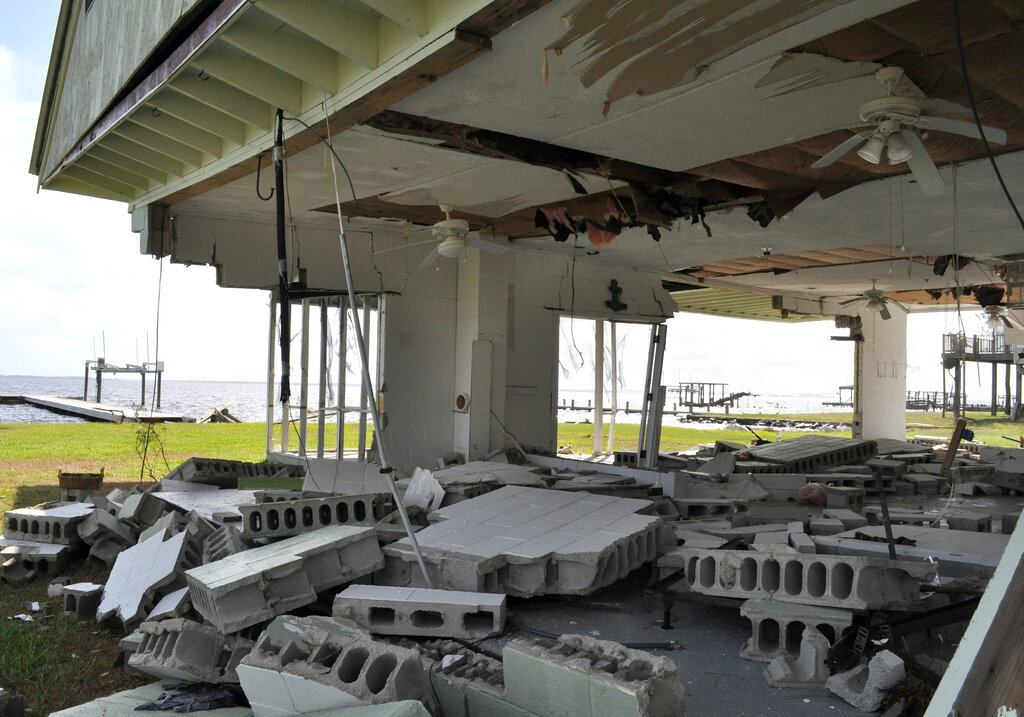
Structural integrity and moisture control are not separate domains; they are a single, interconnected system. A building's ability to shed water is directly tied to its stability. When the structure moves, whether from foundation settling, soil expansion, or framing shrinkage, it compromises the building envelope—the barrier between the conditioned interior and the exterior elements.
This relationship begins at the 'Envelope-to-Earth' connection: the foundation. Saturated soil doesn't just get wet; it exerts immense against foundation walls. This force seeks out any weakness. A minor crack from settling isn't just a cosmetic issue; it's a structural failure that creates a pathway for water to be actively pushed into a basement or crawlspace. The pressure is relentless, turning a dormant flaw into an active water intrusion point.
Cracks as Conduits
While hydraulic pressure explains the 'push,' it doesn't fully explain how water moves through tiny fractures, sometimes even against gravity. This is where capillary action comes into play. The same principle that allows a paper towel to wick up a spill enables water to climb through microscopic fissures in concrete, brick, and mortar.
The adhesive force between water molecules and the material surface, combined with the cohesive force between the water molecules themselves, pulls water along the narrow path.
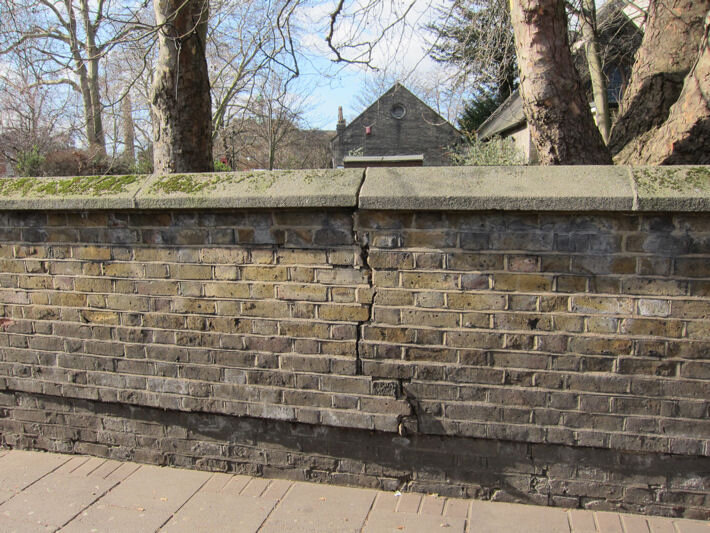
A dynamic analysis of a crack involves mapping its characteristics to the moisture risk it creates. A vertical crack in a foundation wall is a prime candidate for both hydraulic pressure at its base and capillary action along its length. A horizontal crack may indicate bowing from soil pressure. The direction, width, and location of a fracture tell a story about the structural forces at play and the specific type of water intrusion to expect.
The Breathing Building
Moisture problems aren't always from liquid water intruding from the outside. Sometimes, the problem is water vapor originating from within. This is where you must differentiate between an active leak and condensation caused by a thermal bridge or air leakage.
A thermal bridge is a pathway of high thermal conductivity—like a steel beam or concrete slab—that cuts through insulation. In winter, this spot becomes much colder than the surrounding wall. Warm, moist interior air comes into contact with this cold surface, and its temperature drops below the dew point, causing water vapor to condense into liquid. This can look like a leak, but its source is the air itself.
A structural failure, on the other hand, creates a direct moisture pathway. For instance, as a wood frame dries and shrinks over its first few years, it can pull away from window frames or tear the weather-resistive barrier. This envelope rupture creates an opening for rainwater, driven by wind, to enter the wall cavity. The resulting water damage is from an external, liquid source, not internal condensation. Pinpointing the source requires analyzing the interaction of air, vapor, and temperature within the building's hidden spaces.
Before deciding which repairs are necessary, structural monitoring can help determine if cracks are active or dormant, and if the building is moving, whether the movement is due to natural weather cycles or something more serious.
Ready to test your diagnostic skills?
What is the primary force that pushes liquid water through a new crack in a foundation wall when the surrounding soil is saturated?
An inspector finds a damp spot on an interior wall directly behind a steel beam that extends to the exterior. It's a cold winter day, and there has been no rain for weeks. What is the most likely cause of the moisture?
By understanding these interconnected forces, you can move from simply identifying moisture to diagnosing the root structural cause. Every stain and crack tells a part of the story.