Advanced Home Construction Systems
Structural Systems Comparison
Two Paths to a Home
When building a new house, the first major decision isn't the floor plan or the paint colors. It's how the structure itself will be built. There are two primary roads: traditional framing and modular construction. Each has fundamental trade-offs that impact everything from design flexibility to the final move-in date.
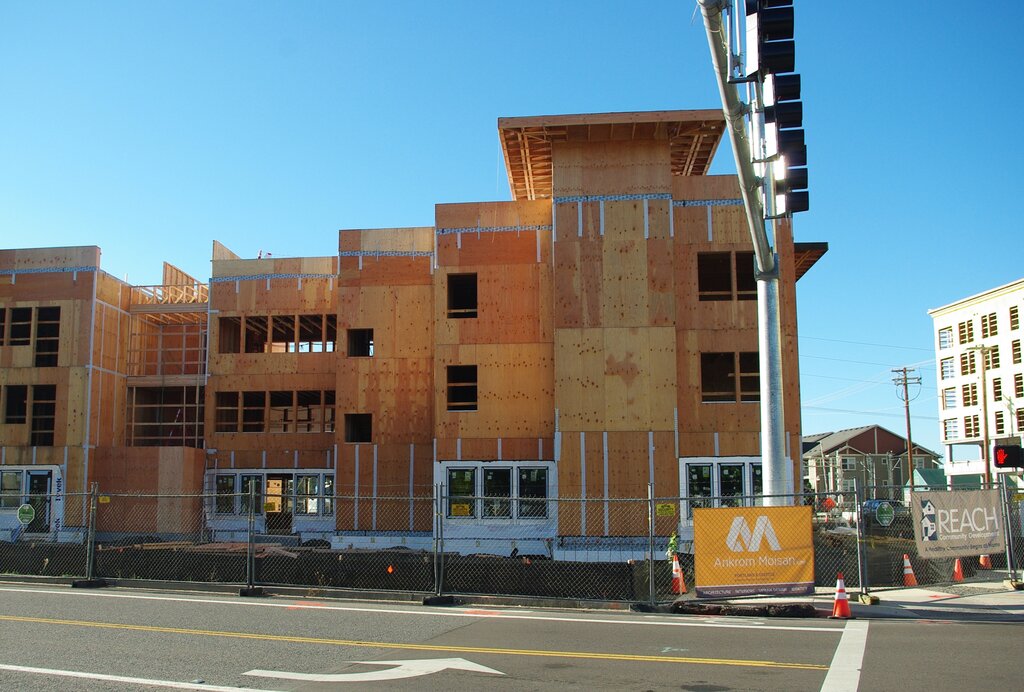
Stick-built construction is the classic method most people picture. A foundation is poured on-site, and a crew of carpenters builds the home's skeleton piece by piece, or “stick by stick,” directly on that foundation. Walls are framed, floors are laid, and roof trusses are set, all exposed to the elements. The great advantage here is adaptability. If an architect or homeowner wants to change a window placement or move a non-load-bearing wall mid-project, it's often possible. This on-site flexibility is the hallmark of traditional building.
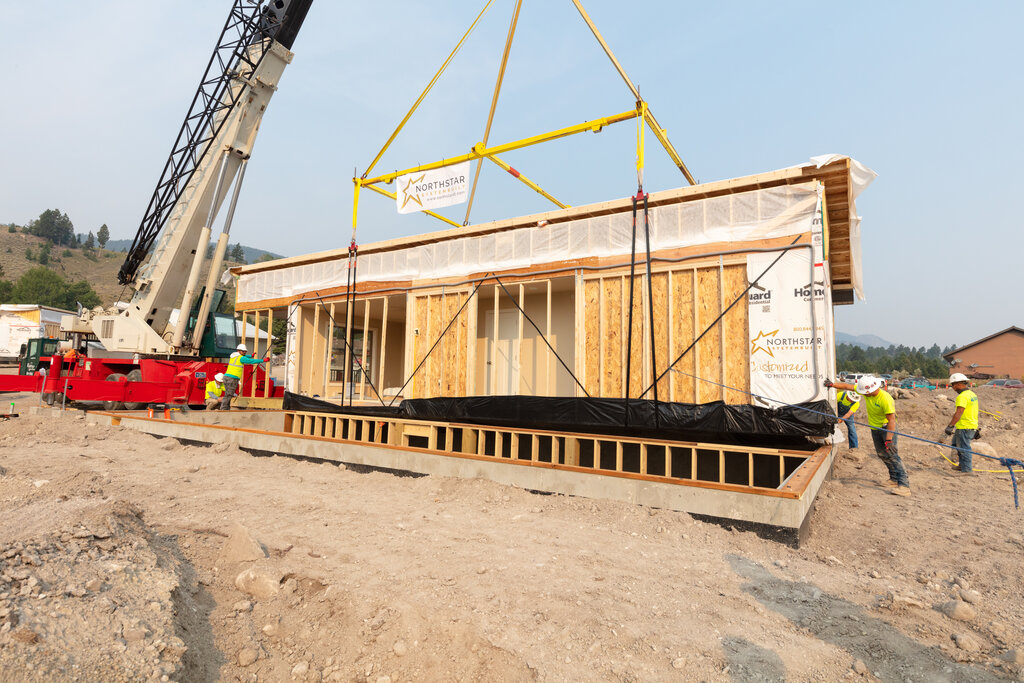
Modular construction flips the script. Instead of building on-site, the home is constructed in separate, box-like in a climate-controlled factory. These modules can be as simple as a single room or as complex as a fully-finished section of the house, complete with wiring, plumbing, and drywall. Once built, they are wrapped for protection, trucked to the site, and lifted by a crane onto the foundation where they are joined together. The process resembles assembling a set of high-tech building blocks.
Design and Quality Trade-Offs
The biggest trade-off is flexibility versus early-stage planning. With a stick-built home, design decisions can evolve during construction. It’s a fluid process. Modular building demands the opposite. Nearly every detail, from electrical outlet locations to fixture choices, must be finalized before factory production begins. There are no mid-project pivots. This rigidity is a feature, not a bug, as it allows for an efficient, assembly-line process.
Modular projects require that a significant portion of the engineering and procurement activities be completed much earlier compared to traditional stick-built projects.
This factory environment is where modular construction shines in terms of quality control. Each module is built to exacting specifications using precise jigs and tools, shielded from weather that can warp wood or compromise materials. This controlled setting makes it easier to achieve high levels of insulation and superior airtightness, which is a major advantage for meeting modern energy codes. Stick-built homes can certainly be high-quality, but they are subject to the variability of on-site conditions and the skill of different crews.
Time, Cost, and Environment
Time is money in construction. Modular building can significantly shorten the overall project timeline. While the foundation is being poured on-site, the modules are already being built in the factory. This parallel workstream means a house can often be assembled and weatherproofed on-site in a matter of days, not weeks or months. This speed reduces labor costs and the duration of construction loans.
Logistics are the primary constraint for modular projects. The finished modules must be transported by truck, so their dimensions are limited by road widths, bridge clearances, and the accessibility of the final site. A narrow, winding road can make a modular delivery impossible. The cost of transportation and the crane rental must also be factored into the budget.
From an environmental perspective, modular construction often has the upper hand. The factory setting allows for precise material management, which dramatically reduces waste compared to a typical stick-built site. Leftover materials from one module can be immediately used for the next, an efficiency that's nearly impossible to replicate in the field.
Now, let's test your understanding of the differences between these two fundamental approaches.
What is the defining characteristic of traditional stick-built construction?
A homeowner is building a house on a property accessed by a narrow, winding road with a low-clearance bridge. Which construction method would face the most significant challenges?
Choosing between stick-built and modular depends entirely on the project's priorities. If custom design and on-site adaptability are paramount, stick-built is the natural choice. If speed, cost-certainty, and energy performance are the main goals, modular construction presents a compelling alternative.