Advanced Home Coffee Brewing
Water Chemistry Calibration
Brewing Water From Scratch
You already know that extraction is key to a great cup of coffee. But the unsung hero of that process is water. Since coffee is over 98% water, its chemical makeup has a massive impact on the final taste. Using tap water is a gamble; its mineral content varies by location and season, creating inconsistent brews. To truly control your coffee's flavor, you need to build your water from the ground up.
The process starts with a blank slate: distilled or reverse osmosis (RO) water. This water is almost entirely pure H₂O, stripped of minerals. From there, we add specific minerals back in to create the ideal canvas for coffee extraction. The two most important minerals for flavor are magnesium and calcium, which determine the water's 'hardness'. The third key ingredient is bicarbonate, which provides 'alkalinity' or buffering capacity.
Avoid distilled water alone—espresso needs minerals for proper extraction and flavor.
Hardness: The Flavor Extractors
Water hardness refers to the concentration of dissolved minerals, primarily calcium and magnesium. These minerals are crucial because they are excellent at bonding with and extracting the flavorful compounds from coffee grounds. However, they don't do the same job.
Magnesium is smaller and more effective at latching onto the bright, fruity, and floral flavor compounds. If you have a light-roast single-origin from Ethiopia with delicate jasmine notes, water higher in magnesium will help pull those flavors into your cup.
Calcium is better at extracting compounds that create body, sweetness, and a rich, creamy mouthfeel. It tends to bring out the chocolatey and nutty notes common in medium to dark roasts. A water recipe with more calcium can make a Brazilian coffee taste smooth and full-bodied.
The total hardness is measured in parts per million (ppm). The (SCA) recommends a target total hardness of 50–175 ppm. Within this range, you can play with the ratio of magnesium to calcium to steer the flavor profile.
Buffering with Bicarbonate
While hardness minerals pull flavor out, bicarbonate controls how we perceive that flavor, specifically acidity. Bicarbonate acts as a 'buffer,' which is a substance that neutralizes acids. Coffee is naturally acidic, and a certain amount of acidity is desirable—it's what makes a coffee taste bright and lively rather than flat and dull.
Too little bicarbonate, and the coffee can taste overly sour or sharp, especially with light roasts. Too much bicarbonate, and the pleasant, vibrant acids are neutralized, making the coffee taste flat, chalky, or muted. The SCA recommends an alkalinity level of around 40-70 ppm of bicarbonate.
Think of bicarbonate as the volume knob for perceived acidity. It doesn't remove the acidic compounds, but it moderates how intensely we taste them.
Building Your Water
Making your own coffee water is like being a chemist in your kitchen. You'll create concentrated solutions of minerals that you can then add to distilled water in precise amounts. A common starting point is to create two concentrates: one for hardness (GH) and one for alkalinity or carbonate hardness (KH).
| Concentrate | Ingredients | Purpose |
|---|---|---|
| Hardness (GH) | Epsom Salt (Magnesium Sulfate), Calcium Chloride | Adds flavor-extracting minerals. |
| Alkalinity (KH) | Baking Soda (Sodium Bicarbonate), Potassium Bicarbonate | Buffers acidity. |
You can find many recipes online for these concentrates. A popular and simple approach is the , which aims for approximately 70 ppm of total hardness and 40 ppm of alkalinity. This is a great all-purpose starting point inspired by SCA guidelines.
Once you have your concentrates, you add a few grams or milliliters of each to a large jug of distilled water. For example, to make 1 gallon of brewing water, you might add 2 grams of your alkalinity concentrate and 5 grams of your hardness concentrate. The exact amounts depend on your concentrate recipe.
Adjusting for Roast Profile
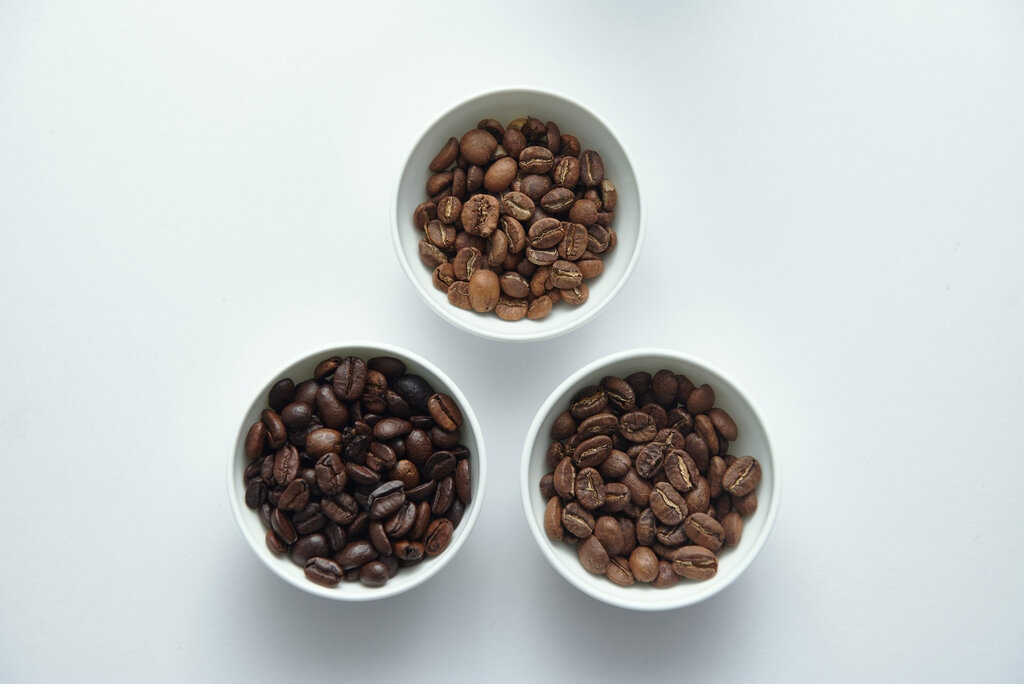
The beauty of building your own water is the ability to tailor it. One size does not fit all. The ideal mineral balance changes depending on the coffee's roast level.
For Light Roasts: These coffees have delicate, bright, and often fruity or floral acidic notes. To highlight them without making the cup sour, you want water with slightly higher magnesium content and sufficient buffering. Too much calcium can muddy these delicate flavors, and too little bicarbonate can make the acidity overwhelming.
For Dark Roasts: These coffees have deeper, richer flavors like chocolate, nuts, and caramel, with lower acidity. Here, you can use water with a higher calcium content to enhance body and sweetness. Since acidity is lower to begin with, you might slightly reduce the bicarbonate to avoid flattening the few remaining bright notes.
Start with a balanced recipe and experiment. Try making two small, different batches of water. Brew the same coffee with each and taste them side-by-side. Does one bring out more sweetness? Does the other have a more pleasant acidity? This sensory feedback is your best guide to perfecting your water.
Why is using distilled or reverse osmosis (RO) water the recommended starting point for creating custom coffee water?
Which mineral is most effective at extracting the bright, fruity, and floral flavor compounds typically found in light-roast coffees?