Advanced Holistic Psychology Integration
Holistic Interconnectedness
Beyond Symptom Management
Traditional approaches to mental health often focus on identifying and managing symptoms. If a client presents with anxiety, the goal is to reduce the feeling of anxiety. While this provides relief, it's like constantly mopping up a leak without ever fixing the pipe. A holistic perspective asks a different question: Why is the leak happening in the first place?
This shift moves the focus from symptom management to root cause resolution. It operates on the principle that psychological distress is rarely confined to the mind. Instead, it's often a signal of a deeper imbalance within a person's interconnected system of being. This system includes not just thoughts and emotions, but physical health, social connections, and spiritual well-being.
Viewing a person as a complex, interconnected system rather than a collection of diagnoses is the foundation of holistic care. The goal isn't just to alleviate symptoms, but to foster genuine, lasting well-being.
The Five Bodies of Health
To understand the root causes of distress, we can use the 'Five Bodies' model. This framework helps visualize how different aspects of our lives are intertwined. An imbalance in one area inevitably affects the others. The five bodies are the Physical, Mental, Emotional, Social, and Spiritual.
| Body | Focus | Manifestation of Imbalance |
|---|---|---|
| Physical | The body's biological systems, nutrition, sleep, exercise. | Chronic inflammation, gut issues, fatigue, hormonal disruption. |
| Mental | Thoughts, beliefs, mindset, cognitive patterns. | Rumination, rigid thinking, negative self-talk, brain fog. |
| Emotional | Feelings, moods, emotional regulation, and expression. | Emotional numbness, mood swings, inability to process feelings. |
| Social | Relationships, community, belonging, and connection. | Loneliness, codependency, social anxiety, isolation. |
| Spiritual | Sense of purpose, meaning, values, connection to something larger. | Apathy, nihilism, lack of direction, existential dread. |
Communication between these bodies is bidirectional. For example, chronic social isolation (Social Body) can lead to depression (Mental/Emotional Bodies), which in turn can disrupt sleep and appetite (Physical Body). Similarly, unresolved trauma stored in the Physical Body can manifest as anxiety and hypervigilance long after the event has passed.
A Framework for Integrated Care
Building on this interconnected view, the offers a comprehensive lens for clinical practice. It's an evolution of the widely accepted biopsychosocial model, adding a crucial fourth dimension: the spiritual. This framework acknowledges that a person's values, sense of meaning, and connection to something beyond themselves are integral components of health.
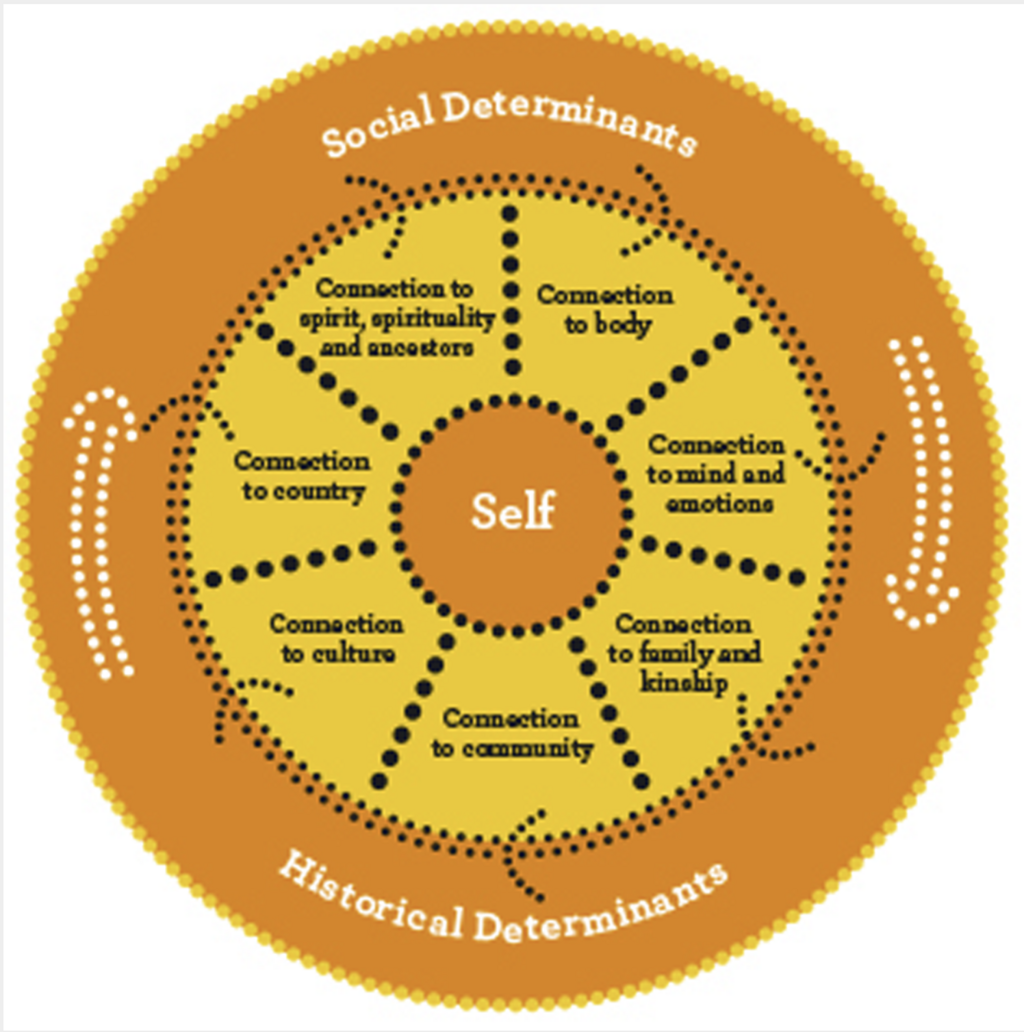
In practice, this means a therapist's assessment goes deeper. Beyond asking about symptoms, they might explore a client's diet, sleep quality, community support, work satisfaction, and personal values. A client suffering from burnout might be treated not just with cognitive strategies, but with nutritional support to balance cortisol, exercises to regulate the nervous system, and an exploration of whether their career aligns with their core values.
Holistic approaches—those that move beyond biological essentialism to address social and relational aspects—are more effective.
This integrated paradigm doesn't discard conventional medicine but enhances it. It creates a more complete picture of human health, providing a roadmap to treat the whole person and uncover the true roots of their distress.
Ready to check your understanding?
What is the primary difference between a traditional and a holistic approach to mental health, as described in the text?
A client is experiencing burnout from their job. From a holistic perspective that uses the Biopsychosocial-Spiritual Framework, which intervention would be LEAST comprehensive on its own?
By understanding the client as an interconnected system, we can move from simply managing symptoms to fostering deep, sustainable healing.