Advanced Hemolytic Anemia Mechanisms and Management
Immune-Mediated Hemolytic Anemias
When the Body Attacks Itself
Immune-mediated hemolytic anemia is a condition where the body's own immune system mistakenly identifies red blood cells as foreign invaders and destroys them. This self-destructive process is driven by antibodies, which are proteins that normally target pathogens like bacteria and viruses. When these antibodies, called autoantibodies, attach to the surface of red blood cells, they mark them for destruction.
The destruction of red blood cells, or hemolysis, can happen in two main ways. It can occur within the blood vessels, which is called intravascular hemolysis. Or, it can happen outside the blood vessels, typically in the spleen or liver, by specialized cells called macrophages. This is known as extravascular hemolysis.
The key distinction between different types of autoimmune hemolytic anemia (AIHA) lies in the temperature at which the autoantibodies are most active.
Warm Antibody AIHA
Warm autoimmune hemolytic anemia (WAIHA) is the most common form. It's caused by IgG autoantibodies that are most active at normal body temperature, around 37°C. These IgG antibodies coat the red blood cells, acting like a flag for macrophages, especially those in the spleen. The macrophages recognize and engulf these coated red cells, leading to extravascular hemolysis.
As macrophages remove portions of the red blood cell membrane, the cells lose their typical biconcave disc shape and become smaller, denser spheres called spherocytes. These less flexible cells get trapped and destroyed easily in the spleen's narrow passages. WAIHA can be idiopathic, meaning it has no known cause, or it can be secondary to other conditions like lupus, chronic lymphocytic leukemia (CLL), or certain medications.
Cold Antibody Syndromes
Cold-mediated hemolytic anemias are caused by antibodies that bind to red blood cells at temperatures below normal body temperature. There are two main types.
Agglutination
noun
The clumping together of particles, especially red blood cells or bacteria, in response to an antibody.
Cold Agglutinin Disease This condition is caused by IgM antibodies, which are highly efficient at causing red blood cells to clump together (agglutinate) at colder temperatures, typically between 0°C and 4°C. This clumping happens in cooler parts of the body like the fingers, toes, and nose.
When these agglutinated red cells circulate back to the warmer core of the body, the IgM antibodies detach. However, the binding of IgM strongly activates the complement system, a cascade of proteins that helps fight infections. This complement activation can poke holes in the red blood cells, causing severe intravascular hemolysis. Some complement-coated cells are also cleared by the liver. This condition can be associated with infections like Mycoplasma pneumoniae or certain lymphomas.
Paroxysmal Cold Hemoglobinuria (PCH) PCH is a rare and dramatic form of cold AIHA caused by a specific IgG antibody known as the Donath-Landsteiner antibody. This antibody has a unique biphasic activity. It binds to red blood cells in the cold, and then, upon rewarming, it unleashes a powerful complement-mediated attack that causes rapid intravascular hemolysis. This leads to the sudden passage of dark, reddish-brown urine due to hemoglobin being released from the destroyed red cells. Historically linked to syphilis, PCH is now more commonly seen in children following viral infections.
Diagnosis and Treatment
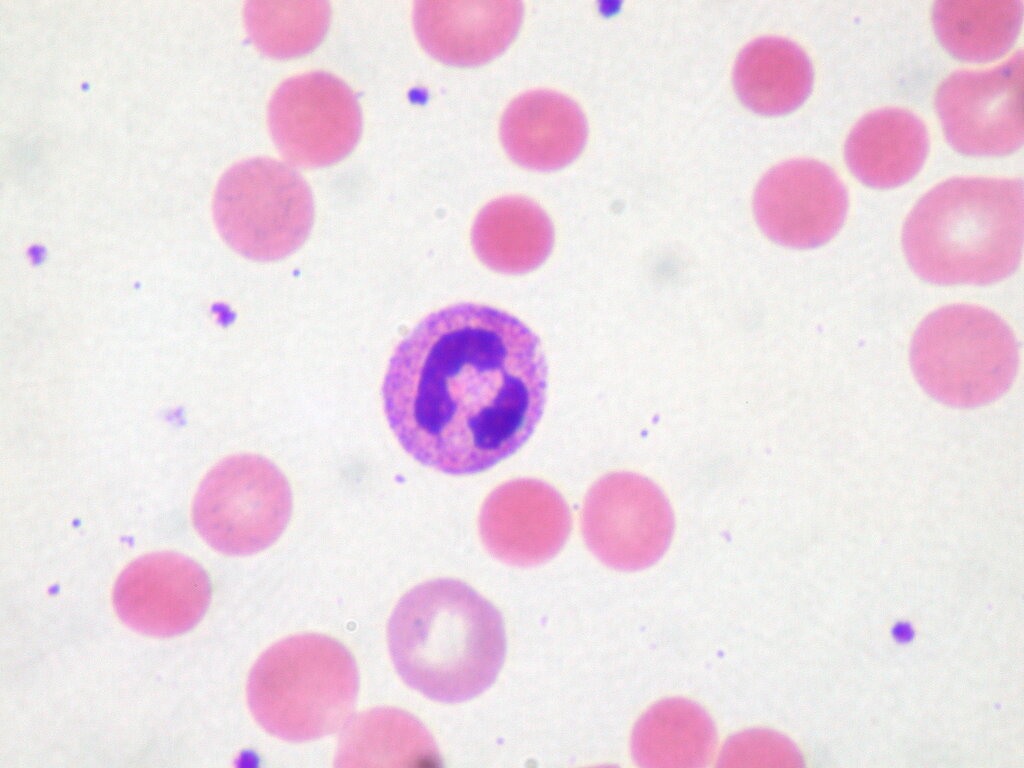
Diagnosing immune-mediated hemolytic anemias involves a series of blood tests. A complete blood count (CBC) will show anemia. Markers of hemolysis, such as elevated lactate dehydrogenase (LDH), increased indirect bilirubin, and low haptoglobin, will also be present. A peripheral blood smear can reveal spherocytes in WAIHA or red blood cell clumping in cold agglutinin disease.
The key diagnostic test is the Direct Antiglobulin Test, also known as the Coombs test.
This test detects antibodies or complement proteins attached to the surface of a patient's red blood cells. A positive result confirms an immune-mediated cause.
Treatment strategies depend on the type and severity of the anemia. For WAIHA, the first line of treatment is corticosteroids like prednisone to suppress the immune system. If that fails, other options include splenectomy (removing the spleen) or medications like rituximab. For cold agglutinin disease, the most important step is to keep the patient warm. Treatment may involve rituximab, but corticosteroids and splenectomy are generally not effective. PCH is usually self-limiting and requires supportive care, mainly avoiding cold exposure.