Advanced Healthcare Strategic Planning and Competitive Execution
Portfolio Growth Dynamics
Beyond Volume and Margin
Managing a hospital's service lines is like managing an investment portfolio. Simply tracking patient volume and contribution margin for each service isn't enough. In a competitive market like Northern California, where integrated delivery networks (IDNs) like Sutter Health and Stanford Health Care vie for high-acuity patients against Kaiser Permanente's closed-loop model, strategic portfolio management is critical. Success depends on understanding which services will drive growth, which are essential for community presence, and which may be draining resources that could be better used elsewhere.
This requires a shift in thinking from isolated operational efficiency to an integrated portfolio strategy. We need a framework that helps make tough, evidence-based decisions about where to invest and where to divest.
The PBMA Framework
Program Budgeting and Marginal Analysis (PBMA) is a framework designed for exactly this purpose. It provides a structured process for evaluating services and reallocating resources to maximize value based on an organization's strategic goals.
Marginal Analysis
noun
An examination of the additional benefits of an activity compared to the additional costs incurred by that same activity. In this context, it helps decide if the benefit of investing one more dollar in a service line outweighs the cost.
At its core, PBMA forces decision-makers to answer two fundamental questions:
If new resources were available, where should we invest them to achieve the greatest strategic benefit? Conversely, if we must reduce our budget, which services could be cut with the least negative impact?
The process involves establishing clear criteria aligned with organizational strategy, evaluating programs against those criteria, and then making transparent, data-driven decisions about resource shifts. It's a cyclical process of continuous evaluation and optimization.
Strategic Service Line Categories
Using the PBMA framework, we can categorize service lines to clarify their role in the portfolio. This isn't just about financial performance; it's about strategic intent.
| Category | Role | Primary Goal | Example (in NorCal) |
|---|---|---|---|
| Growth Engines | Offensive | Market Share Capture | Sutter's advanced neurosciences program |
| Community Pillars | Defensive | Maintain Presence | Kaiser's integrated primary care network |
| Legacy Services | Transitional | Resource Optimization | Routine inpatient procedures shifting to outpatient |
Growth Engines are high-acuity, often high-margin services that actively pull patients from competitors. Think of Stanford's renowned oncology center or a leading-edge robotic surgery program. These services have a high 'displacement value'—their existence and reputation can cause patients to switch health systems entirely, bringing not only their own revenue but also the potential for downstream revenue from related services.
Community Pillars are the foundational services required to be a comprehensive health system. This includes the emergency department, labor and delivery, and primary care. While they may not have the highest margins, their absence would create a major gap in care and damage the system's brand. For Kaiser, their entire network of primary care clinics acts as a community pillar, locking in their member base.
Legacy Services are those facing declining volumes, reimbursement pressures, or technological obsolescence. These might be certain inpatient surgical procedures that have largely moved to ambulatory settings. They consume capital and operational focus that could be redirected to growth engines.
The Disinvestment Dilemma
The most difficult part of portfolio management is deciding what to stop doing. Disinvestment is often politically charged and emotionally difficult. However, avoiding these decisions means starving your growth engines to subsidize underperforming legacy services. A formal disinvestment framework helps depersonalize the process.
The framework should assess service lines against key questions:
- Strategic Alignment: Does this service still fit our long-term vision?
- Market Viability: Has demand permanently shifted? Are competitors serving this need more effectively?
- Resource Drain: What are the opportunity costs of continuing to fund this service in terms of capital, talent, and management attention?
- Community Impact: If we exit this service, can the community's needs be met by other providers?
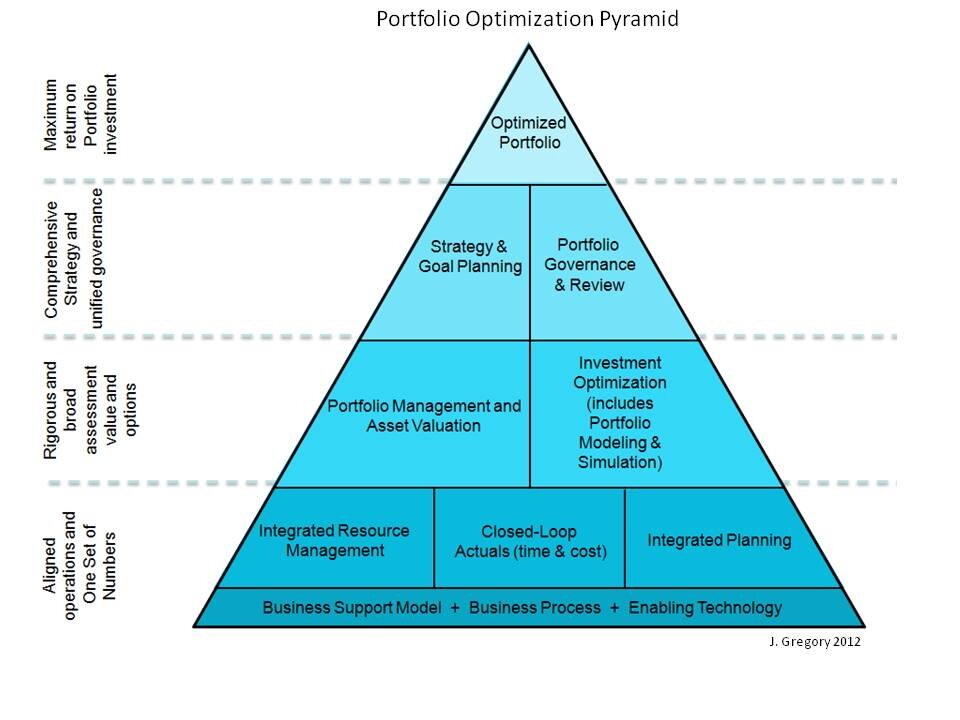
Making a disinvestment decision doesn't always mean shutting a service down overnight. It could involve a planned phase-out, a partnership with another provider, or a transition to a lower-cost care model. The goal is to consciously reallocate freed-up capital to the growth engines that will define the health system's future success, like oncology and neurosciences, ensuring a stronger competitive position.
What is the primary purpose of the Program Budgeting and Marginal Analysis (PBMA) framework in a hospital setting?
A hospital's emergency department, while not always highly profitable, is considered an essential service for its community presence and overall brand. Within the portfolio management framework, how would this service line be best categorized?
Managing a health system's services as a portfolio allows for strategic resource allocation, ensuring that investments are directed toward areas with the greatest potential for growth and impact while responsibly managing essential community services and legacy programs.