Advanced Graphic and Packaging Design Strategies
Advanced Packaging Design
Structure That Tells a Story
Great packaging goes beyond simply holding a product. It creates an experience. Think about the last time you opened a new phone. The way the box unfolds, the precise fit of each component, and the satisfying pull of a tab are all part of an intentional structural design. This is where packaging becomes a physical extension of the brand's story.
Innovative structures can turn a simple container into a memorable interaction. This could mean a box that transforms into a display stand, packaging that minimizes waste by using clever folds instead of glue, or a container with a unique opening mechanism that delights the user. The goal is to make the physical act of unboxing feel as premium and thoughtful as the product inside. These designs don't just protect; they engage.
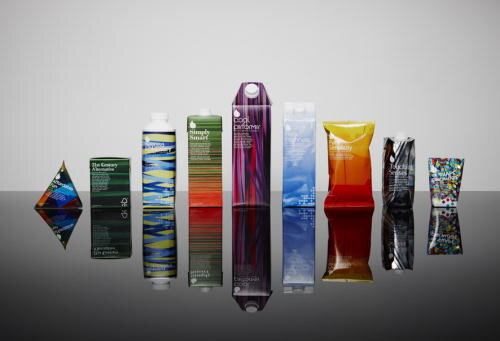
Functionality can also be a source of innovation. Consider packaging that doubles as a tool for the product itself, like a seed packet that becomes a plant marker or a carton with a perfectly designed pouring spout. By thinking about the product's entire lifecycle, from shelf to final use, designers can create structures that are both clever and genuinely useful.
Material as a Message
The materials you choose are a core part of your packaging's identity. They communicate quality, values, and purpose before a customer even reads a word. A heavy, textured paper might suggest luxury and tradition, while a sleek, molded bioplastic can signal innovation and environmental consciousness.
The feel of the package in a customer's hands—its weight, texture, and temperature—sends powerful subconscious messages. But material choice isn't just about aesthetics. It directly impacts manufacturing costs, durability during shipping, and the product's shelf life.
Packaging is about aesthetics and function.
Sustainability is now a major driver of material innovation. Consumers increasingly favor brands that use recycled, biodegradable, or renewable materials. This has led to the rise of options like mushroom-based packaging, seaweed plastics, and post-consumer recycled paperboard. Choosing a sustainable material isn't just an ethical decision; it's a powerful branding tool that can build trust and loyalty with environmentally-aware consumers. These choices must be balanced with practicality, ensuring the material can be sourced reliably and fits within the project budget.
| Material | Key Benefits | Common Uses |
|---|---|---|
| Molded Pulp | Biodegradable, customizable shapes, protective | Electronics inserts, drink carriers |
| Bioplastics (PLA) | Compostable, clear or colored, food-safe | Food containers, disposable cups |
| Cork | Lightweight, renewable, water-resistant | Bottle stoppers, luxury goods packaging |
| Recycled Cardboard | Cost-effective, strong, easily printed on | Shipping boxes, product cartons |
The Future is Interactive
Technology is transforming packaging from a static object into a dynamic channel for communication. Interactive elements are bridging the gap between the physical product and the digital world, offering customers richer experiences.
Simple additions like QR codes can link to instruction videos, detailed product origins, or special promotions. Near Field Communication (NFC) chips embedded in a label can allow a user to verify a product's authenticity with a tap of their smartphone. Augmented Reality (AR) is another exciting frontier, where pointing a phone's camera at a package can bring a character to life or show a 3D model of the product in use.
These technologies do more than just dazzle. They provide valuable information, build brand engagement, and offer a level of interaction that was previously impossible. As these technologies become more affordable and widespread, the line between packaging and digital interface will continue to blur.
Ready to test your knowledge?
According to the text, what is the primary goal of innovative structural design in packaging, beyond simply protecting the product?
How do material choices like heavy, textured paper or sleek bioplastics primarily communicate a brand's identity?
By combining thoughtful structure, strategic material choices, and interactive technology, packaging becomes a powerful tool that does much more than just sit on a shelf.