Advanced Graduate Reviewer and Synthesis
Synthesis of Conceptual Frameworks
Building a Theoretical Blueprint
Academic research isn't about collecting isolated facts. It's about building arguments. The strongest arguments are built on a solid theoretical framework, which acts as the blueprint for the entire study. At an advanced level, this often means going beyond a single, off-the-shelf theory. Instead, you synthesize, combining established principles from different fields to create a new, more powerful lens for viewing a problem.
This synthesis isn't just a mash-up. It's a deliberate architectural process. You might connect a sociological theory about group dynamics with an economic model of resource allocation to explain how a company's culture affects its performance. The goal is to create a cohesive structure where each component theory reinforces the others, allowing you to explain phenomena that no single theory could account for on its own. This process of is where many of the most significant breakthroughs in research occur, pushing the boundaries of what we know.
Merely summarizing sources is not enough; you need to analyze and synthesize the information to provide a comprehensive overview.
Strategies for Integration
Synthesizing frameworks is a creative but methodical process. Researchers typically employ a few key strategies to weave different theories together.
One common approach is bridging, where a concept from one theory is used to connect to another, creating a link between two previously separate domains. Another is fusion, which involves merging core tenets from multiple theories to form a new, hybrid framework that offers a more comprehensive explanation. Finally, subsumption occurs when a researcher argues that one specific theory is actually a special case of a broader, more general framework, placing it within a larger context.
Deconstructing a Framework
Once a framework is constructed, it's crucial to know how to analyze its architecture. This means identifying its core components, the key variables or concepts it employs, and, most importantly, the relationships it proposes between them. Are these relationships causal, correlational, or hierarchical? Mapping them out reveals the logical flow of the argument.
Critically, this analysis must also uncover the of the framework. Every theory is built on a foundation of unstated beliefs about how the world works. For example, a framework based on rational choice theory assumes that individuals are self-interested and make decisions to maximize their own utility. Recognizing these assumptions is essential because they define the boundaries and potential blind spots of the research. If the assumptions don't hold true in a given context, the framework's conclusions may be invalid.
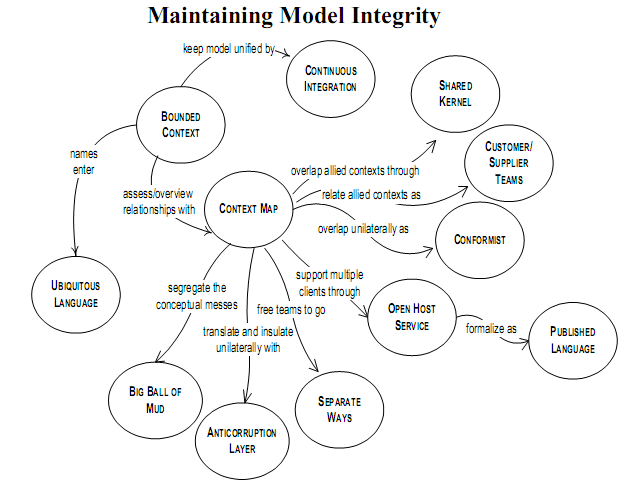
Often, a newly synthesized framework will introduce its own unique classification system or taxonomy. The authors will define terms in a specific way to categorize the core characteristics and systemic interactions they are studying. Understanding this source-specific language is key to grasping the nuances of their argument.
| General Concept | Source-Specific Term | Role in the Framework |
|---|---|---|
| Social Connection | 'Relational Capital' | Measures the value of a person's network in achieving goals. |
| Institutional Rules | 'Governing Logic' | Defines the formal and informal constraints on organizational behavior. |
| Feedback Process | 'Adaptive Loop' | Describes the mechanism through which the system learns and self-corrects. |
By moving from simple summaries to a structural analysis of how theories are integrated, you engage with academic literature at a much deeper level. You're not just reading what the author says; you're understanding how they built the intellectual machinery to say it.
Let's test your ability to deconstruct and analyze these theoretical structures.
What is the primary role of a theoretical framework in academic research?
When a researcher combines a sociological theory with an economic model to explain a business phenomenon, what is this process known as?
This kind of deep analysis allows you to not only critique existing research but also to construct more robust and innovative frameworks in your own work.