Advanced Goal Setting Beyond SMART
Limitations of SMART Goals
The SMART Framework
The SMART framework is a popular tool for setting goals. It provides a checklist to make objectives clearer and more manageable. The acronym stands for Specific, Measurable, Achievable, Relevant, and Time-bound. The idea is that a well-defined target is easier to hit.
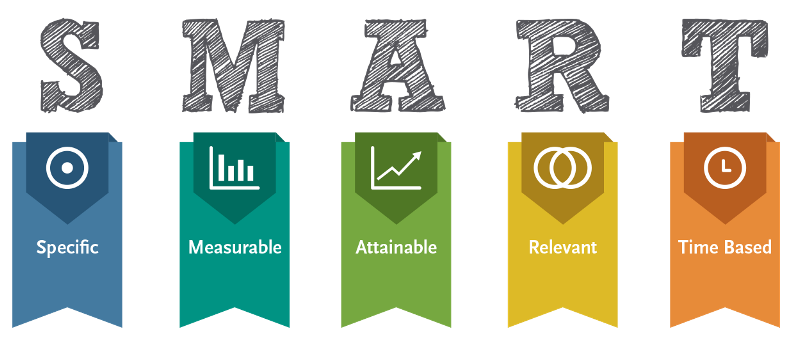
Let's break down each component:
- Specific: The goal is clear and unambiguous. Instead of "get in shape," a specific goal is "join a gym and work out three times a week."
- Measurable: You need a way to track your progress. For the gym goal, you can measure it by counting your weekly sessions.
- Achievable: The goal should be realistic. Aiming to become a professional athlete in a month is not achievable if you're starting from scratch.
- Relevant: The goal must matter to you and align with your broader ambitions.
- Time-bound: A deadline creates a sense of urgency. "I will go to the gym three times a week for the next three months."
Where SMART Goals Fall Short
While this structure is useful, it has limitations. The rigid nature of SMART goals can be a significant drawback. Once a goal is set, there's little room to adapt if circumstances change. A project might evolve, or your personal priorities might shift, but a strict SMART goal can discourage you from pivoting. This can stifle creativity and prevent you from seizing unexpected opportunities.
A rigid plan can become a cage, preventing you from exploring better paths that emerge along the way.
The focus on "Achievable" can also unintentionally limit ambition. It encourages setting safe, incremental goals that you're confident you can reach. While this builds momentum, it can discourage you from pursuing huge, transformative goals—the kind of moonshots that lead to breakthroughs. Sometimes, the most valuable goals are the ones that seem just out of reach.
The Motivation Problem
Perhaps the biggest critique of the SMART framework is its emphasis on external outcomes. The focus is on hitting a number or meeting a deadline, which are forms of extrinsic motivation. You're driven by the reward at the end, not necessarily the process itself.
This can be a problem. When motivation is purely external, the task can feel like a chore. Think about a hobby you love, like painting. If you set a SMART goal to "sell 10 paintings in two months," the pressure to produce and sell might squeeze the joy out of the creative process. You might start rushing or choosing subjects based on marketability instead of passion. The activity shifts from a source of fulfillment to a source of stress.
Consider a case from the business world. A customer support team was given a SMART goal to reduce the average call time by 30 seconds. They achieved it by rushing customers off the phone, sometimes without fully resolving their issues. The metric improved, but customer satisfaction plummeted. The team was motivated to hit the target, not to provide excellent service. They achieved the goal but failed the mission.
Performance goals tend to cause problems because they reward short-term thinking at the expense of long-term planning.
This highlights a core issue: SMART goals often prioritize what is easily measured over what is truly valuable. They can lead to a narrow focus on short-term wins, potentially at the expense of long-term growth, learning, and personal fulfillment. While they can provide clarity and structure, they don't always connect with the deeper reasons why we pursue a goal in the first place.
What does the 'A' in the SMART acronym for goal setting stand for?
Which of the following goals best exemplifies the 'Specific' component of the SMART framework?
Understanding these limitations is the first step toward developing a more nuanced approach to setting goals.