Advanced Game Animation Techniques
Mechanics of Game Locomotion
Loops for a Living World
Animating a character for a film is different from animating for a game. In a film, every action is bespoke and timed to a specific shot. In a game, a character needs to walk, run, and stand still on command, seamlessly, for as long as the player wants. This requires animation cycles: short, repeatable sequences of motion.
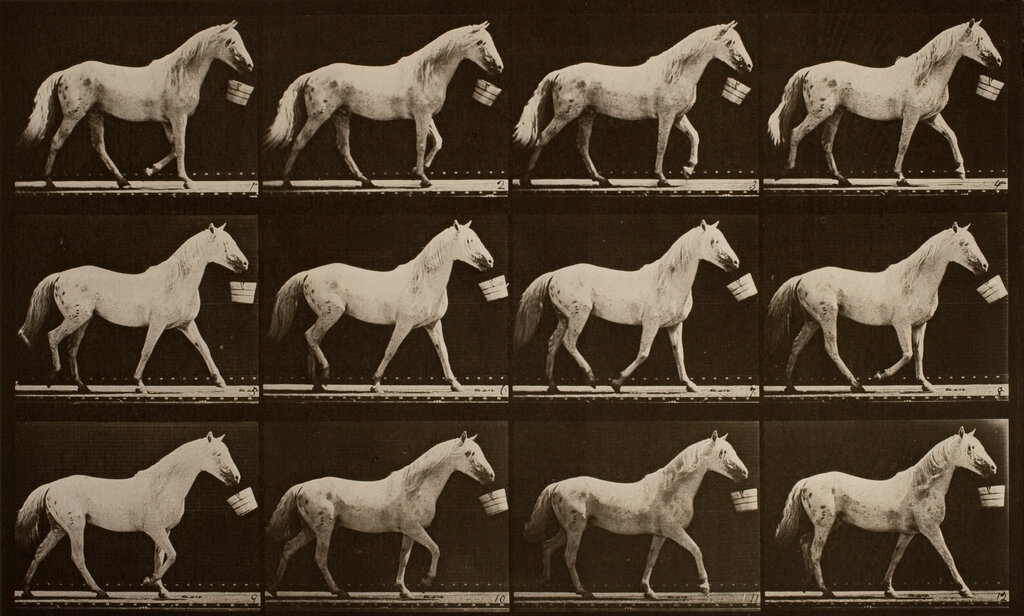
The three foundational cycles are the idle, the walk, and the run. An idle loop shows the character breathing and shifting their weight while standing still. A walk or run cycle is a complete gait sequence, from one foot hitting the ground to the same foot hitting the ground again. The key challenge is making these loops perfect, so they can play over and over without a noticeable jump or stutter.
Weight, Timing, and Contact
A convincing walk cycle is all about selling the character's weight. Two key poses define the rhythm of the walk: the 'contact' and 'passing' positions. The contact pose is the moment a foot hits the ground, accepting the body's full weight. The passing position is the midpoint of the step, where one foot is planted and the other is in the air, passing by.
These aren't just artistic milestones. In a game engine, they are critical timing markers. The contact pose is often when the game will play a footstep sound. Nailing the timing of these poses ensures that the animation feels grounded and prevents the dreaded '', where a character's feet appear to glide unnaturally across the ground.
For a loop to be seamless, it must have cycle symmetry. This means the pose on frame 1 (e.g., left foot contact) must be identical to the pose on the last frame (right foot contact), just mirrored. If they don't match perfectly in terms of position, rotation, and timing, the player will see a noticeable pop or jerk every time the animation loops. The character must end the cycle in the perfect position to begin it again.
Engine Implementation
Once you have a perfect loop, you need to get it into the game engine. There are two primary methods for this: 'In-Place' and ''.
| Method | Description | Pros | Cons |
|---|---|---|---|
| In-Place | The character animates on the spot, like on a treadmill. Game code is responsible for moving the character forward. | Easy to blend; gives programmers more control over speed and responsiveness. | Can easily lead to foot sliding if animation speed and movement speed aren't matched. |
| Root Motion | The animation itself contains the forward movement. The character's root bone moves through space in the animation file. | Eliminates foot sliding; animator has precise control over distance and movement. | Can be harder to blend with other actions; can feel less responsive as it's driven by animation data, not direct player input. |
The choice depends on the needs of the game. A fast-paced shooter might use In-Place animations for maximum responsiveness, while a third-person adventure game might use Root Motion for more realistic, deliberate character actions.
Finally, animators must consider the frame budget. Games aim for high frame rates like 60 frames per second (FPS) for smooth gameplay. This means animations need to be snappy. A walk cycle might only be 24-30 frames long (less than half a second), and a run cycle might be even shorter. This constraint forces animators to make clear, powerful poses that communicate the action quickly and efficiently.
Of course, characters don't just magically start walking. They need transitions. Start and stop animations are just as important as the loops themselves. A 'walk start' animation shows the character anticipating the movement, shifting their weight, and taking that first step to seamlessly blend from the idle cycle into the walk cycle. A 'stop' does the reverse. Without these transitions, character movement feels robotic and weightless.
Time to test your knowledge on game locomotion.
Why are animation cycles, such as a walk or run loop, fundamental to game animation but less common in film animation?
What is the primary purpose of achieving 'cycle symmetry' in a looping animation?
Understanding these mechanical and technical requirements is what elevates a good character animation to a great game character. It's the bridge between creating a believable movement and creating a believable, interactive experience.