Advanced Framework of Indian Polity and Constitutional Law
Historical Evolution and Milestones
From Company to Crown
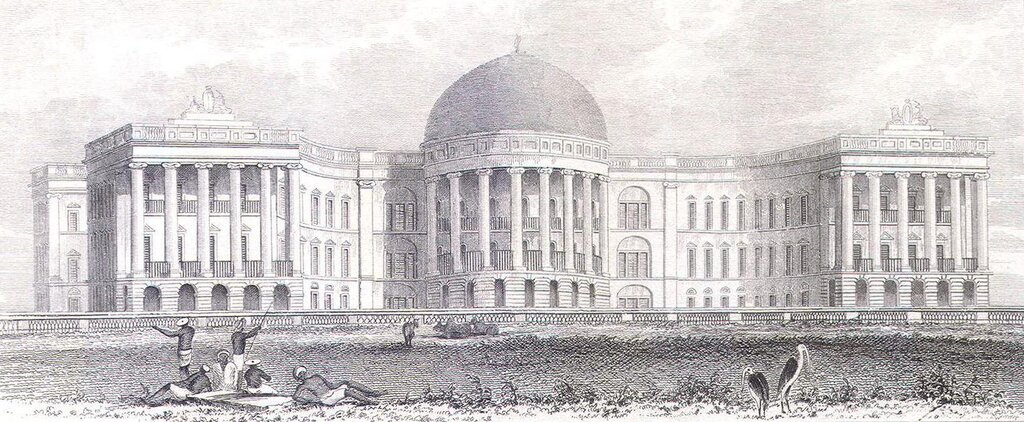
The journey to India's constitution didn't begin with a grand declaration. It started with a quiet, but significant, shift in power. Before the British government directly ruled India, the British East India Company ran the show. This private company became so powerful, and its administration so chaotic, that the British Parliament had to step in.
The first major intervention was the Regulating Act of 1773. This wasn't about granting rights; it was about imposing control. The act created the role of Governor-General of Bengal, giving one official authority over the company's other presidencies in Bombay and Madras. It also established a Supreme Court in Calcutta. This was the first move away from a scattered, corporate-led system toward a centralized, state-like administration. It laid the foundation for a unified governing structure across India, a concept that would be crucial for the future nation.
Building the Bureaucracy
Following the Regulating Act, a series of , renewed every 20 years, steadily tightened Parliament's grip. These were more than just administrative updates; they were incremental steps toward a modern state apparatus. The Charter Act of 1833, for instance, ended the East India Company's commercial trading monopolies altogether, transforming it into a purely administrative body governing India on behalf of the Crown.
This same act attempted to introduce a system of open competition for the selection of civil servants. Though this idea faced resistance and wasn't fully realized until later, it planted the seeds for a professional, merit-based bureaucracy. This structure, known as the Indian Civil Service (ICS), would become the "steel frame" of British administration and was largely inherited by independent India to run its government.
The Blueprint for a Nation
Of all the pre-independence statutes, none had a more direct impact on the Indian Constitution than the . It was a massive, complex piece of legislation that served as the primary blueprint for the framers of the constitution.
The 1935 Act proposed an All-India Federation and introduced provincial autonomy, allowing for elected Indian ministers to hold a wide range of government portfolios. It also established a federal legislature with two houses, a Federal Court, and, most importantly, distributed legislative powers between the central and provincial governments. This was done through three lists: a Federal List, a Provincial List, and a Concurrent List. This exact three-list structure for the division of powers was adopted directly into the Constitution of India.
Many features of the Indian Constitution, such as the parliamentary system, the office of the Governor, bicameralism, and emergency provisions, are directly traceable to the 1935 Act.
The final legislative act from the British Parliament was the Indian Independence Act of 1947. This act was simple but profound. It declared India an independent and sovereign state, partitioned British India into the two new dominions of India and Pakistan, and abolished the office of the Secretary of State for India.
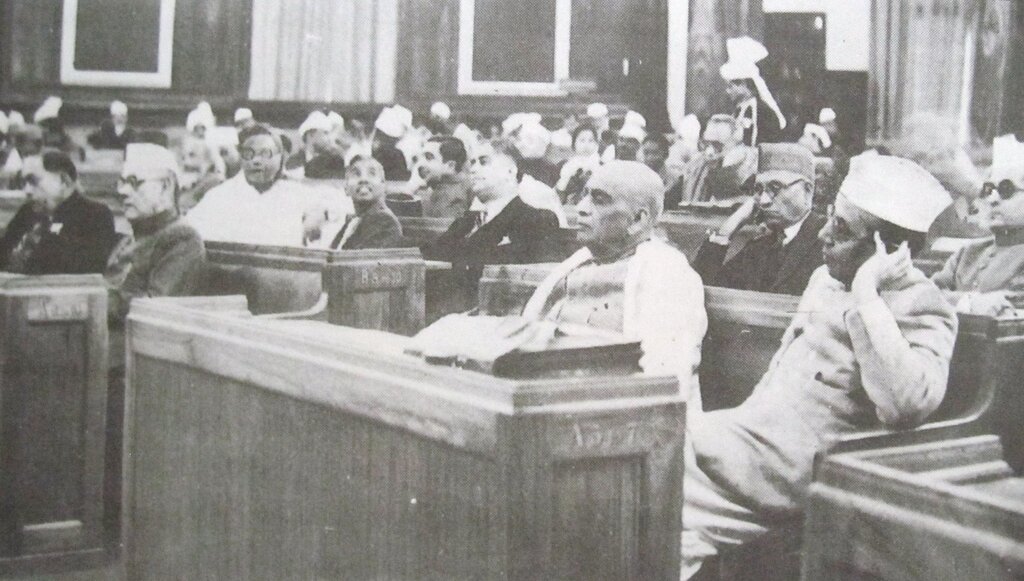
Crucially, it empowered the Constituent Assemblies of the two new countries to frame and adopt any constitution they pleased, repealing any act of the British Parliament that might hinder them. This act marked the formal transfer of power, clearing the way for the to finalize the document that would govern the nation, built upon the foundations laid over the preceding two centuries.
Ready to test your knowledge on the historical milestones that shaped India's governing framework?
What was the primary purpose of the Regulating Act of 1773?
Which legislative act transformed the British East India Company from a commercial trading entity into a purely administrative body governing on behalf of the Crown?
These acts and councils represent the long, evolutionary path from colonial control to a sovereign, democratic republic.