Advanced Foundations of Human Psychology
Systemic Behavioural Frameworks
Beyond Single Causes
Human behaviour rarely stems from a single, neat cause. While it's tempting to pinpoint one reason for an action, the reality is a complex web of interacting influences. We don't just react to stimuli; we interpret, filter, and respond based on a dynamic interplay between our biology, our thoughts, and the world around us. Understanding this requires moving beyond simple cause-and-effect and adopting frameworks that can handle multiple layers of input at once.
These frameworks act like diagnostic toolkits, helping us analyse the intricate systems that drive motivation and action.
A Three-Dimensional Lens
The Bio-Psycho-Social model is one of the most effective tools for this kind of analysis. It encourages us to view any behaviour not as an isolated event, but as the output of three interacting domains:
- Biological: Our genetic predispositions, brain chemistry, nervous system responses, and hormones.
- Psychological: Our thoughts, beliefs, emotions, memories, and personality traits.
- Social: Our culture, family, social networks, and socioeconomic status.
Think of a student facing a high-pressure exam. Their biological response might involve a surge of adrenaline and cortisol. Psychologically, their of the situation, shaped by past exam experiences and self-confidence, determines whether they feel challenged or threatened. Socially, the pressure from family expectations and the competitive academic environment adds another layer of influence. The student's decision to either study diligently or procrastinate is a result of these three forces pushing and pulling against each other.
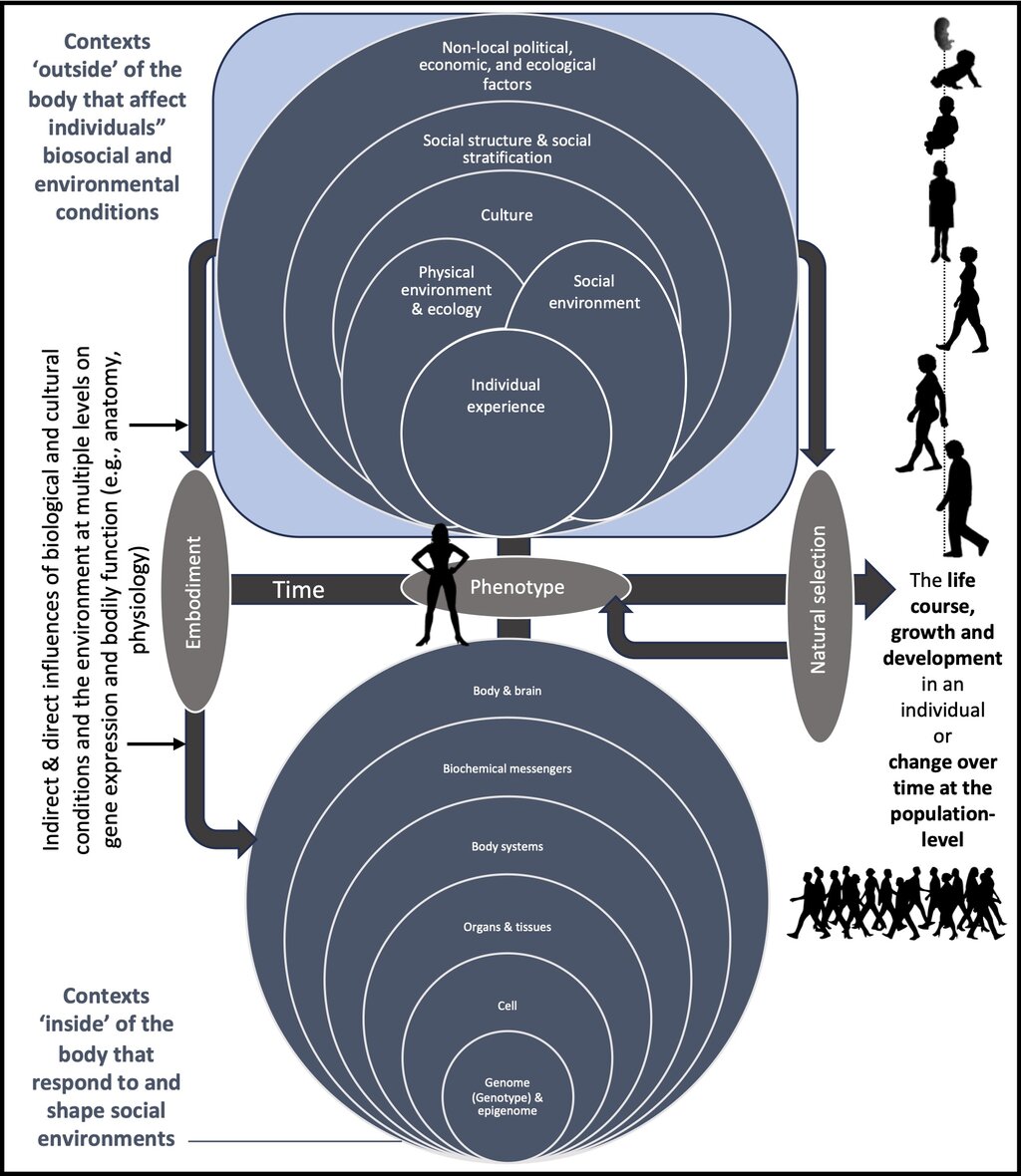
This integrated view helps us avoid simplistic explanations and appreciate the full context of human action.
Holism vs. Reductionism
When we analyse behaviour, we constantly navigate a trade-off between two perspectives: holism and reductionism. A reductionist approach breaks complex phenomena down into their smallest, most fundamental parts. Explaining depression as simply a "chemical imbalance," for example, is a reductionist view. It isolates one biological component, serotonin levels, as the primary cause.
Reductionism offers clarity and testable hypotheses. It's easier to study the effect of a single neurotransmitter than it is to measure the entire web of a person's life experiences. However, it risks oversimplifying reality and missing the bigger picture.
A holistic approach, in contrast, argues that the whole is greater than the sum of its parts. It emphasizes the interconnectedness of systems and suggests that you can't understand a behaviour by studying its components in isolation. A holistic view of depression would consider not just brain chemistry, but also the person's thought patterns (psychological) and social factors like isolation or poverty (social). While this provides a more complete picture, it can be difficult to untangle which factors are most influential.
The most effective analysis often borrows from both. We might use reductionist methods to understand the specific neural pathways involved in a stress response, but then use a holistic framework to see how those pathways are triggered and regulated by psychological and social contexts.
Untangling Nature and Nurture
The debate over nature versus nurture is now understood as a false dichotomy. Genes and environment are not separate forces competing for influence; they are in constant dialogue. This interaction is central to modern behavioural science.
() is the concept that individuals with different genetic makeups may respond to the same environment in different ways. For example, some people have a genetic variation that makes them more susceptible to depression, but only if they experience significant life stress. Without the environmental trigger, the genetic predisposition may never manifest.
This complex interplay means we can't attribute behaviour solely to our DNA or our upbringing. Instead, we must analyse the system as a whole. A person's motivation to achieve a goal isn't just a matter of willpower (psychological); it's also influenced by their underlying biology and the opportunities and barriers present in their social environment. Understanding these interacting systems is key to understanding why people do what they do.
A researcher explains a person's severe anxiety solely as a result of a 'chemical imbalance' in the brain. Which analytical approach does this explanation best represent?
According to the Bio-Psycho-Social model, a person's self-confidence and past memories fall into which category of influence?