Advanced Forensic Toxicology and Drug Analysis
Toxicology Fundamentals
The Journey of a Poison
In forensic biology, you trace the story told by biological evidence. Forensic toxicology is a specialised chapter in that story, focusing on how chemical substances affect the body and how they can be detected. It's not just about identifying a poison; it's about understanding its journey and its effects to provide clear evidence in a legal context.
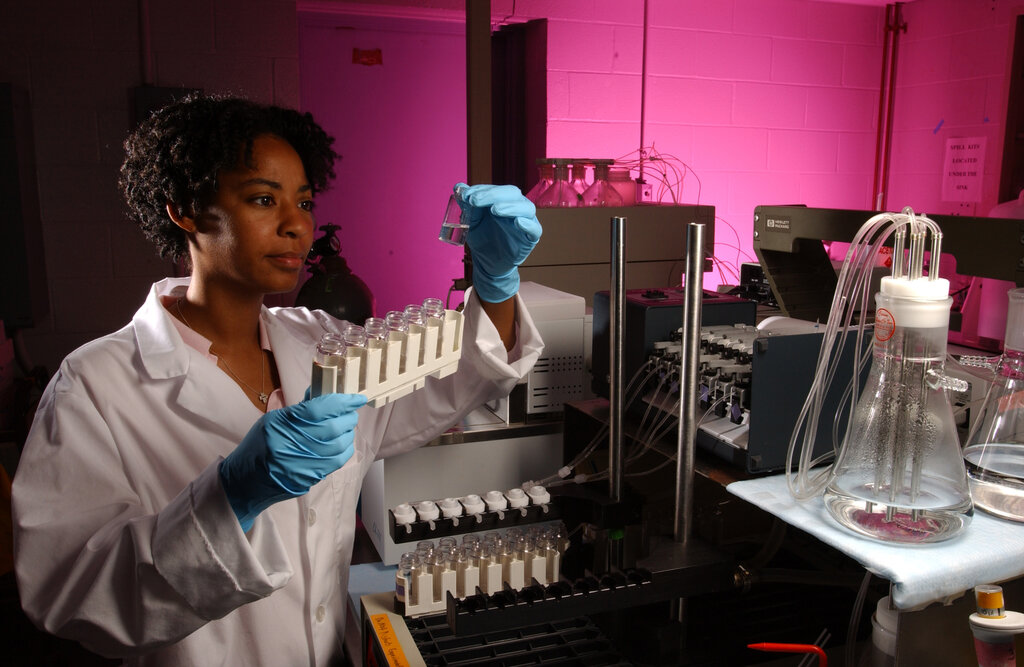
Classifying Toxicants
Poisons, or toxicants, can be classified in several ways. For forensic purposes, understanding their chemical nature and physiological action is most useful. This helps investigators narrow down possibilities based on symptoms and evidence found at a scene.
| Classification Type | Categories | Examples |
|---|---|---|
| By Chemical Nature | Heavy Metals, Pesticides, Solvents, Gases | Lead (Pb), Parathion, Ethanol, Carbon Monoxide (CO) |
| By Physiological Action | Neurotoxins, Cardiotoxins, Hepatotoxins | Sarin gas, Digoxin, Paracetamol (in overdose) |
| By Physical State | Solid, Liquid, Gaseous | Arsenic trioxide, Mercury, Chlorine gas |
The Dose Makes the Poison
A core principle in toxicology, famously stated by Paracelsus, is that the dose determines whether a substance is a remedy or a poison. Even water can be toxic in extreme quantities. To quantify this relationship, toxicologists use a dose-response curve, which plots the effect of a substance against the dose administered.
From this curve, we derive two critical values:
- ED50 (Effective Dose 50): The dose that produces a therapeutic effect in 50% of the population.
- (Lethal Dose 50): The dose that is lethal to 50% of the population.
The ratio between these two values helps determine a drug's safety margin. A wide gap is good; a narrow one means the effective dose is dangerously close to the lethal dose.
Toxicokinetics: ADME
Once a substance enters the body, it doesn't just sit there. Toxicokinetics is the study of how the body processes a toxicant, broken down into four stages known as ADME. Understanding this pathway is vital for forensic analysis, as it helps determine the timing of exposure and predict the concentration of a substance in different tissues.
ADME stands for Absorption, Distribution, Metabolism, and Excretion.
Absorption: The process by which a substance enters the bloodstream. This can occur through the skin, lungs (inhalation), or gastrointestinal tract (ingestion).
Distribution: Once in the blood, the substance is transported throughout the body. It may accumulate in specific organs or tissues depending on its chemical properties, like fat-solubility.
Metabolism (or Biotransformation): The body's attempt to break down the foreign substance, primarily in the liver. Enzymes, like the family, modify the substance to make it more water-soluble for easier removal.
Excretion: The final removal of the substance or its metabolites from the body, typically through urine, faeces, or breath.
To better understand your knowledge of these topics, here is a short quiz.
What does LD50 stand for in toxicology?
Which of the following represents the correct order of the four stages of toxicokinetics?