Advanced Food Production and Management
Product Development Evolution
From Tradition to Trend
Food product development isn't just a modern concept involving labs and factories. In Nigeria, it's a practice as old as its cultures. For centuries, communities have innovated with the resources around them, creating methods to preserve food, enhance flavor, and make nutrients more available. These weren't random discoveries; they were the result of careful observation and refinement passed down through generations.
Think about common staples. Fermentation transforms cassava into gari and locust beans into the pungent seasoning, iru. Sun-drying preserves fish, meat, and vegetables for the lean season. Pounding yams into a smooth dough is a physical process that changes the food's texture and makes it a beloved swallow. These are all forms of product development, designed to meet the needs of the community using available technology.

These indigenous techniques formed the foundation of the Nigerian food landscape. They ensured food security and created the distinct flavors that define the country's cuisine. While highly effective on a small scale, the 20th century brought new pressures and possibilities that would dramatically reshape how food was produced and consumed.
The Industrial Shift
The arrival of modern technology and urbanization sparked a major shift. As more people moved to cities, the demand for convenient, shelf-stable foods grew. This created an opportunity for entrepreneurs to scale up traditional processes and introduce new products to the market.
The early stages of industrial food production in Nigeria often focused on mechanizing old methods. Grinding machines replaced stones and mortars, and large ovens replaced open fires. This not only increased output but also standardized quality. Companies began packaging familiar products like yam flour, egusi, and ogbono, making them accessible to city dwellers who lacked the time or space for traditional preparation.
The instant noodle category really grew only after we started manufacturing it in Nigeria.
This period also saw the introduction of entirely new food categories. The rise of local manufacturing meant that products once imported could be made in Nigeria, tailored to local tastes and sold at a more affordable price. This process created new habits and expanded the national palate.
A Case Study in Evolution
The journey of pounded yam is a perfect example of this evolution. Traditionally, making pounded yam is a labor-intensive process requiring peeling, boiling, and vigorously pounding yams in a large mortar until a smooth, elastic dough is formed. It's a hallmark of celebratory meals, but its preparation is time-consuming.
Recognizing this, food technologists developed a method to create instant pounded yam flour. The process involves peeling, slicing, parboiling, drying, and milling the yams into a fine powder. To prepare it, one simply has to add the flour to hot water and stir. This innovation transformed a dish that took over an hour to prepare into one that could be ready in minutes.
This didn't replace traditional pounded yam, but it created a new product category that met a modern need for convenience. It allowed a cherished cultural food to fit into the fast-paced lifestyle of urban Nigeria, ensuring its continued relevance for a new generation.
Today's food landscape is a blend of the old and new. You can find women in rural areas processing locust beans using age-old fermentation methods, while a factory in Lagos produces fortified breakfast cereals. This dynamic reflects a market that values both tradition and modern convenience.
Current trends are driven by a growing middle class, increased health awareness, and greater global connectivity. There is a rising demand for value-added products, such as pre-marinated meats, packaged spice blends, and ready-to-eat soups. Nigerian companies are also looking outward, refining packaging and quality control to export indigenous products like kilishi (beef jerky) and chin chin to a global audience.
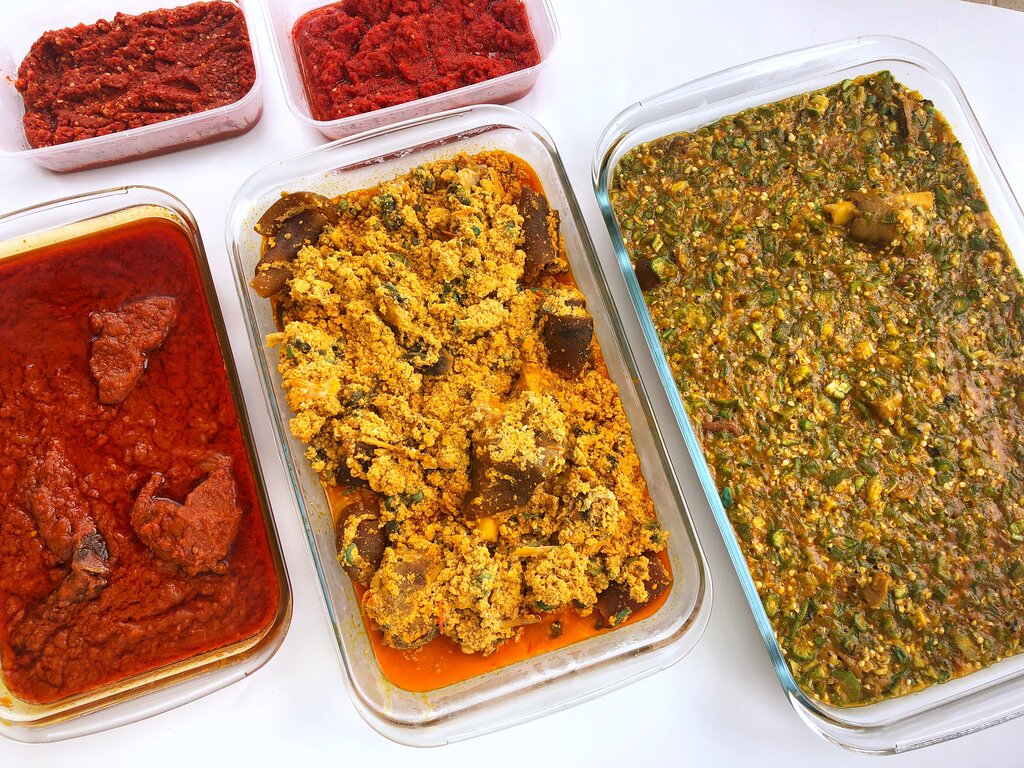
This evolution is supported by new tools for reaching customers. The internet and social media have become powerful platforms for new brands to tell their stories and connect with consumers directly, bypassing some of the challenges of traditional retail.
In Nigeria, a country brimming with cultural diversity and a rapidly expanding digital audience, content marketing has emerged as a vital tool for businesses aiming to connect with consumers, build lasting relationships, and drive growth.
Let's check your understanding of how food product development has evolved in Nigeria.
What was the primary motivation behind traditional food product development practices like fermentation and sun-drying in Nigeria?
The development of instant pounded yam flour is a key example of an innovation that primarily addressed the modern need for...
From communal preservation techniques to industrial manufacturing and digital marketing, the development of food products in Nigeria is a story of adaptation and innovation. It's a journey that honors its roots while embracing the future.