Advanced Feminist Protest Music Analysis
Feminist Lyrical Themes
The Body as a Battleground
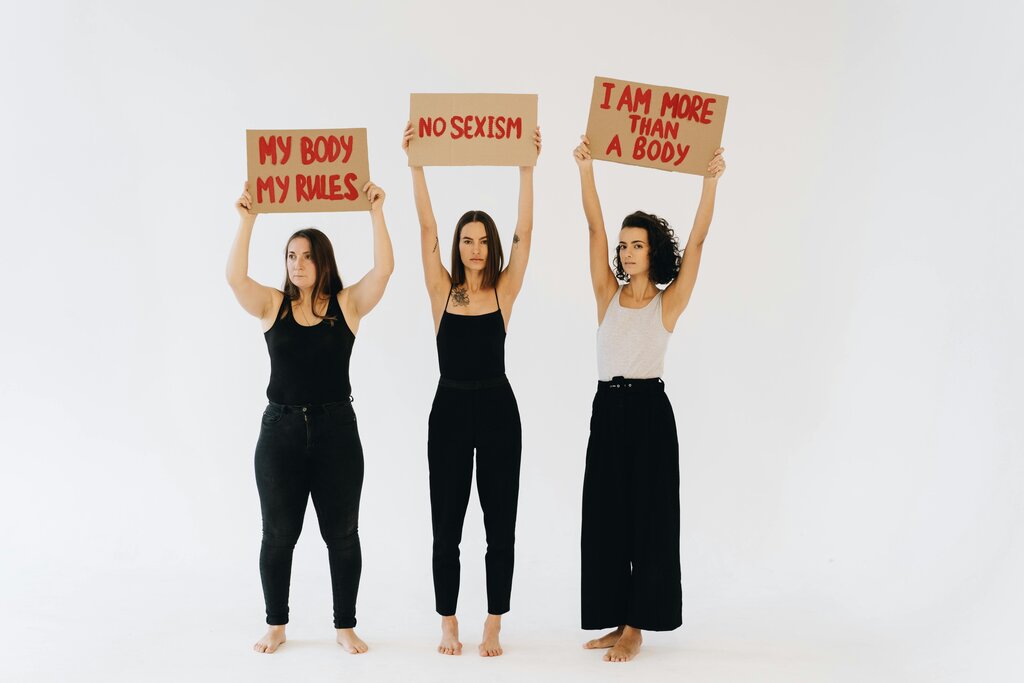
Feminist protest songs often anchor their arguments in the most personal territory: the body. The theme of bodily autonomy is a powerful thread, weaving through lyrics that demand control over one's own physical self. This isn't just about big political ideas; it's about the fundamental right to make decisions without coercion from the state, society, or individuals.
Songs tackling this theme might use direct, unapologetic language. Think of lyrics that declare, "My body, my choice." Others are more poetic, using metaphors of cages, temples, or landscapes to describe the body as a space to be reclaimed. The message is consistent: the self is sovereign. This extends to reproductive rights, where artists transform political slogans into raw, emotional anthems. They sing about the weight of these decisions, the fight for access to healthcare, and the anger at systems that seek to control their futures.
Lesley Gore’s 1963 hit “You Don’t Own Me” is an early example. While not explicitly about reproductive rights, its defiant cry for independence—"Don't tell me what to do, and don't tell me what to say"—laid the groundwork for more direct feminist anthems.
Dismantling the System
Beyond personal autonomy, feminist lyrics zoom out to critique the systems that create inequality. Songs frequently name and dismantle patriarchal structures, questioning everything from family dynamics to workplace discrimination and political disenfranchisement. The lyrics become a form of analysis, pointing out the invisible rules and expectations that shape women's lives.
This critique often involves flipping traditional narratives. A song might retell a fairytale from a woman's perspective or mock the absurdity of gender roles. Lyrically, this can be sharp and satirical or deeply melancholic, mourning the potential lost to systemic barriers. The goal is to make listeners see the architecture of inequality that they might otherwise take for granted.
A direct and painful extension of this critique is the lyrical confrontation of gender-based violence. Artists address assault, harassment, and domestic abuse with harrowing honesty. These songs refuse to be silent, turning traumatic experiences into public testimony. They bear witness, offer solidarity to survivors, and demand accountability. The lyrics can be graphic, emotional, and difficult to hear, but their purpose is to force a conversation and shatter the culture of silence that allows violence to continue.
Solidarity and Reclaiming the Gaze
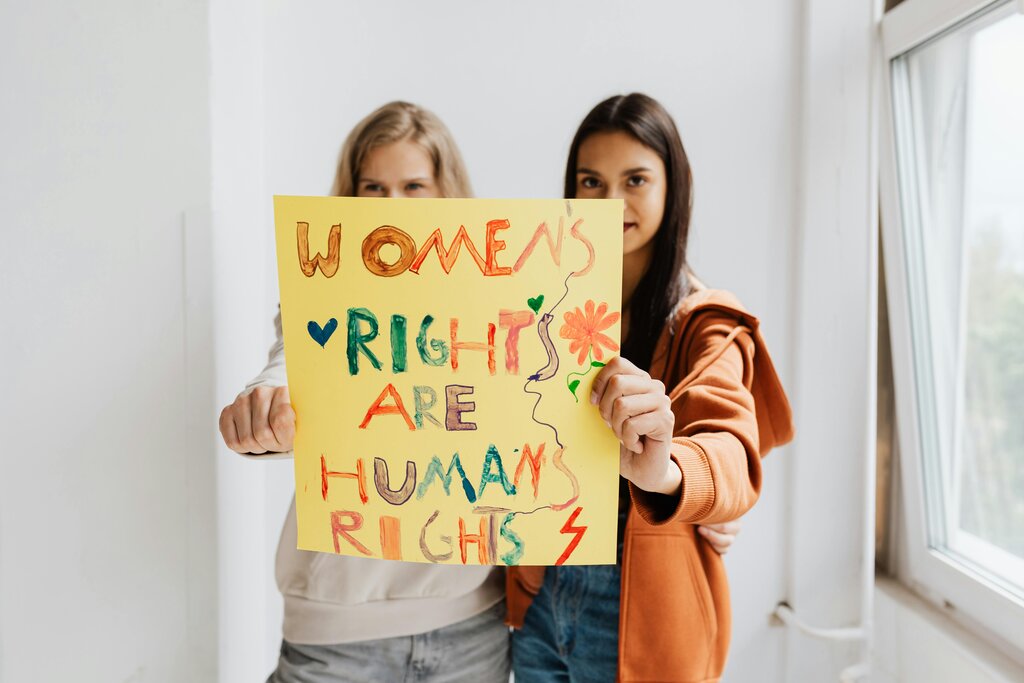
Feminist protest music isn't only about fighting against something; it's also about building something new. A powerful recurring theme is sisterhood and female solidarity. Lyrics celebrate the strength found in female friendships and communities, creating anthems of mutual support. These songs counter the narrative that women are in competition with one another, instead portraying them as allies in a shared struggle.
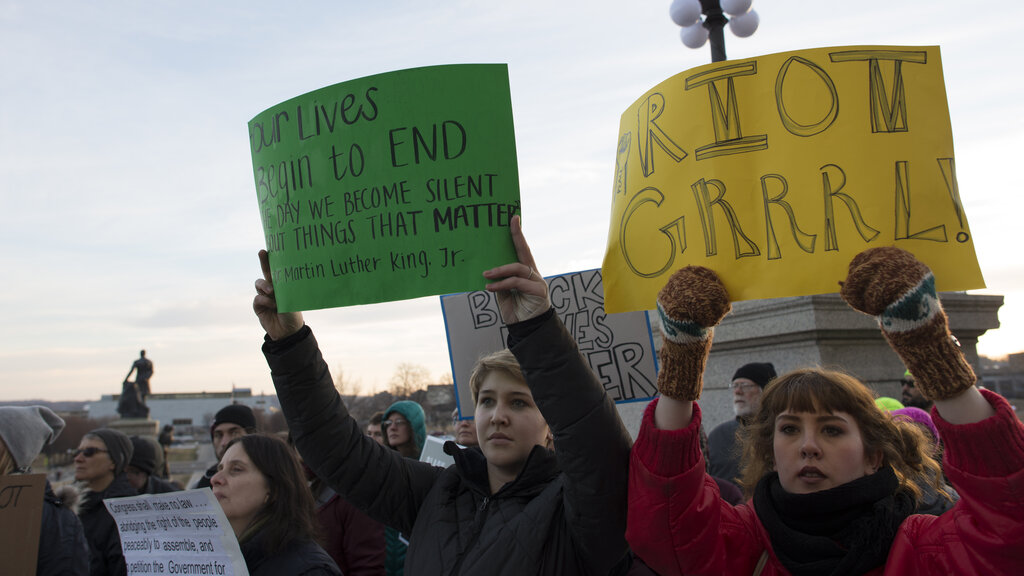
This sense of community was central to movements like Riot Grrrl in the 1990s, where bands used their music to create networks of support for young women. Their lyrics were often raw and personal, like diary entries screamed over distorted guitars, fostering a powerful sense of shared experience.
Finally, these songs actively challenge the of women. Artists push back against being reduced to their physical appearance, particularly in genres where women have historically been treated as decoration. They might do this by refusing to conform to beauty standards, by writing lyrics that celebrate their intellect and character, or by directly calling out the "male gaze" in media and daily life. The message is a demand to be seen as a whole person, not just a body to be looked at.
Let's review the key themes we've covered.
Ready to test your understanding?
How do feminist protest songs typically frame the theme of bodily autonomy?
According to the text, a primary goal of songs that confront gender-based violence is to shatter the culture of silence.
By understanding these lyrical pillars, you can better analyse how artists use music to advocate for change and challenge the status quo.