Advanced Fasting Strategies and Metabolic Health
Hormonal Adaptive Responses
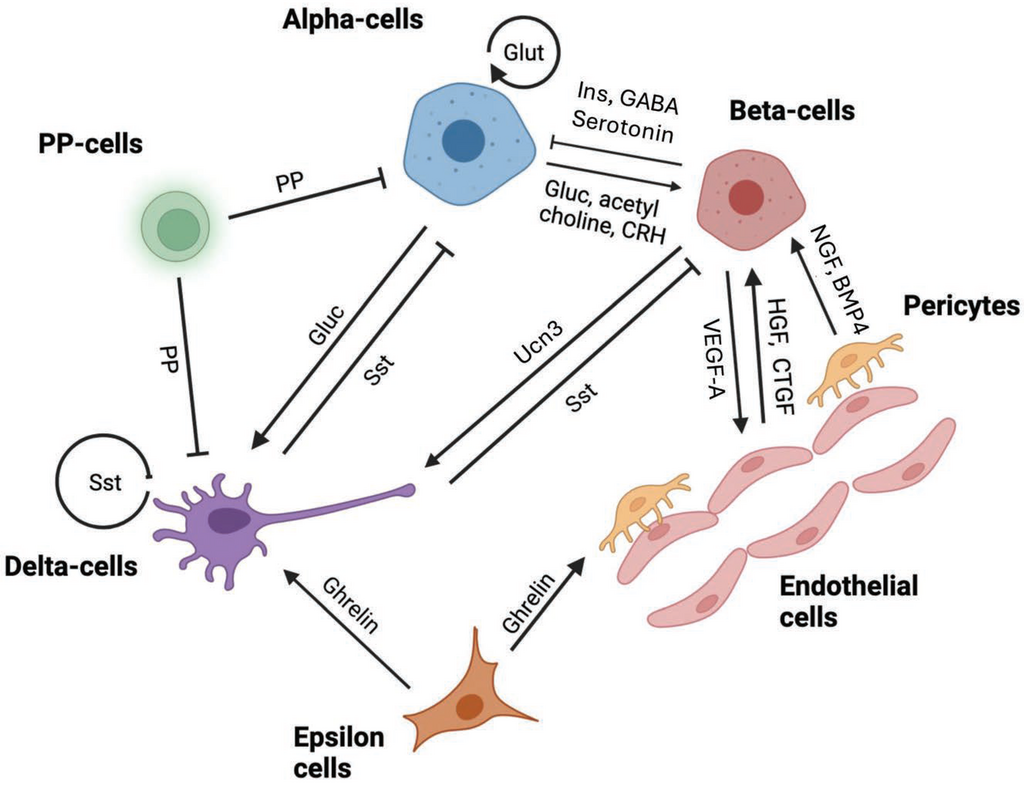
The Insulin and Glucagon Seesaw
Around 12 hours into a fast, your body crosses a significant metabolic threshold. The continuous supply of glucose from your last meal has dwindled, and your liver's glycogen stores are becoming depleted. This state triggers a crucial hormonal flip. Insulin, the hormone responsible for shuttling glucose into cells for storage, begins to fall significantly. Think of insulin as a key that unlocks cells to let sugar in; with no new sugar arriving, fewer keys are needed.
When you fast, insulin sensitivity improves and levels of insulin decrease.
As insulin levels drop, its hormonal counterpart, , takes the stage. Produced by the alpha cells of the pancreas, glucagon's primary job is to raise blood glucose levels. It signals the liver to break down its remaining glycogen reserves and release glucose into the bloodstream, a process known as glycogenolysis. More importantly, it kicks off gluconeogenesis, the process of creating new glucose from non-carbohydrate sources like amino acids and glycerol. This hormonal seesaw—low insulin, high glucagon—is the master switch that shifts your body from a state of energy storage to energy mobilization.
Unlocking Fat Stores
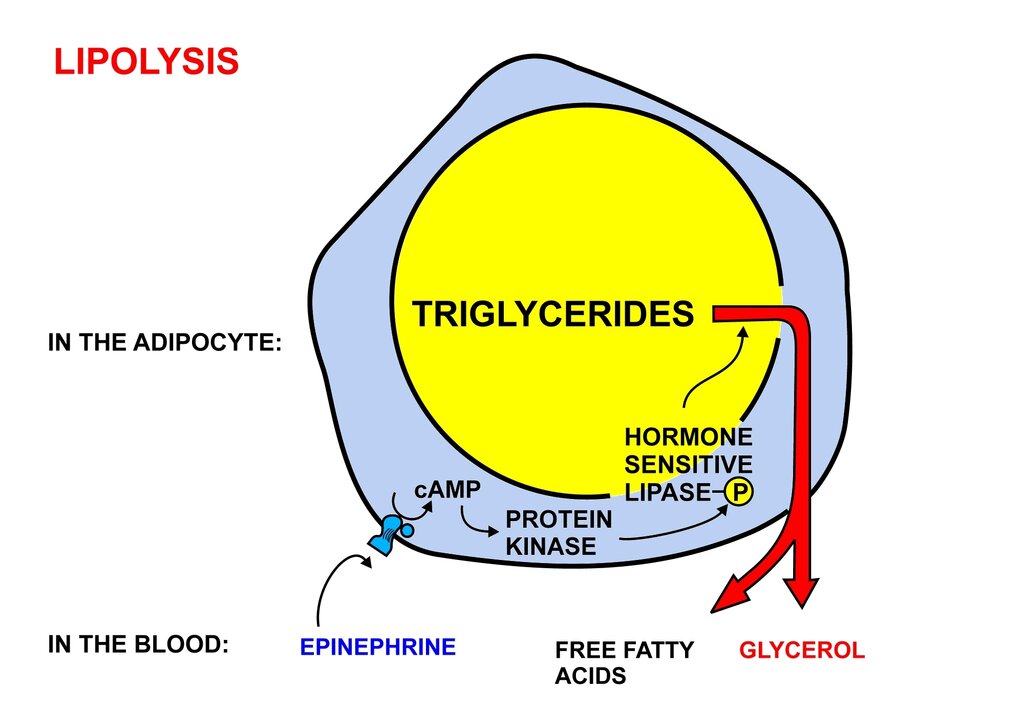
With insulin low and glucagon high, the body receives a clear signal: it's time to tap into its largest energy reserve—body fat. This process is driven by an increase in catecholamines like adrenaline (epinephrine) and noradrenaline (norepinephrine). These stress hormones rise during fasting and act as powerful messengers, binding to receptors on fat cells (adipocytes) and triggering a cascade of events.
The primary outcome is an increase in the rate of lipolysis, the breakdown of triglycerides stored in fat cells into free fatty acids and glycerol. These fatty acids are then released into the bloodstream, where they can be used as fuel by muscles and other organs. The glycerol component travels to the liver, serving as a valuable substrate for gluconeogenesis. This catecholamine-driven process is how your body efficiently transforms stored fat into usable energy.
Simultaneously, another important hormonal change occurs. The secretion of Growth Hormone (GH) increases, often in distinct pulses. While commonly associated with growth during childhood, in adults, GH plays a crucial metabolic role. During fasting, its primary function is protective. It helps preserve lean muscle mass and bone density by shifting the body's fuel preference towards fats, effectively sparing protein from being broken down for energy. This ensures that fasting mobilizes fat reserves without sacrificing vital muscle tissue.
A Boost for the Brain
The brain is a high-energy organ that typically relies almost exclusively on glucose. So, what happens when glucose is less available? The metabolic switch to fatty acids provides a solution. The liver converts some of the liberated fatty acids into ketone bodies, an alternative fuel source that the brain can use very efficiently. As fasting continues, ketone production ramps up, and they become a major energy source for your neurons.
This shift from glucose to ketones is not just about energy; it also has a profound impact on brain health and function.
One of the most significant effects is the upregulation of (BDNF). This protein is like a potent fertilizer for your brain cells. It supports the survival of existing neurons, encourages the growth of new ones (neurogenesis), and helps form new synapses, which are critical for learning and memory. The mild metabolic stress of fasting appears to be a powerful trigger for increasing BDNF production, offering a form of cognitive neuroprotection and enhancement. This may be an evolutionary adaptation, sharpening cognitive function during periods of food scarcity to improve the chances of finding the next meal.
Around 12 hours into a fast, a key hormonal shift occurs. As insulin levels fall, which hormone rises to signal the liver to release glucose?
The process of breaking down stored triglycerides in fat cells into free fatty acids and glycerol is called:
These hormonal adaptations are a finely tuned response, allowing the body to transition smoothly from using external fuel to mobilizing its own internal energy stores, all while protecting muscle and enhancing brain function.