Advanced Faculty Development Strategies
Assessing Faculty Development Needs
Finding Your Starting Point
Before you can improve professional development for faculty, you need to understand where things stand right now. This isn't about guesswork. It’s about creating a clear, evidence-based picture of your institution's current reality. Think of it like a doctor diagnosing a patient before prescribing treatment. A thorough assessment is the diagnosis for your professional development programs.
The goal is to establish a solid baseline. This means identifying what’s already working well—the existing strengths—and pinpointing the areas that need improvement. By understanding the specific needs, challenges, and aspirations of your faculty, you can avoid generic solutions and focus on what will make a real difference.
Gathering Information
To get a complete picture, you need to gather information directly from the source: the faculty themselves. There are several effective ways to do this, and using a mix of methods often yields the richest insights.
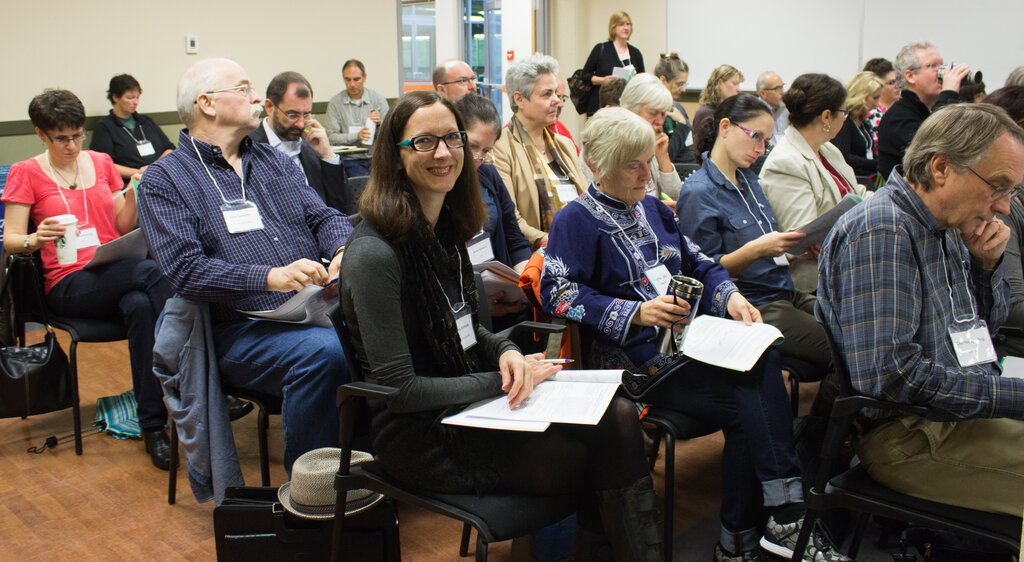
Surveys are a great tool for collecting quantitative data from a large number of people. They can help you spot broad trends and patterns. For example, you might ask faculty to rate their confidence level with new classroom technology or how valuable they found recent workshops. The key is to ask clear, specific questions that are easy to answer.
While surveys give you the “what,” interviews and focus groups can tell you the “why.” These methods provide qualitative data, offering deeper context and personal stories. In a one-on-one interview, you can ask follow-up questions to explore a faculty member's specific challenges. In a focus group, a small group discussion can reveal shared experiences and collaborative ideas that a survey might miss.
When conducting interviews or focus groups, aim for open-ended questions. Instead of asking, “Did you like the training?” try, “What was your experience with the training?” to encourage more detailed responses.
Making Sense of the Data
Once you've collected the data, the next step is interpretation. This is where you transform raw information into actionable insights. For survey results, you'll look for statistical trends. What percentage of faculty requested more training in online course design? Which department showed the lowest satisfaction with current resources?
For interview and focus group notes, you’ll perform a thematic analysis. Read through the transcripts and identify recurring ideas, concerns, and suggestions. You might notice a common theme about the need for more mentorship for new faculty or a desire for discipline-specific workshops. Combining the numbers from surveys with the stories from interviews gives you a powerful, well-rounded understanding of the situation.
| Data Point | Strength or Weakness | Implication |
|---|---|---|
| 85% of faculty feel confident using the LMS. | Strength | Foundational tech training is not a high priority. |
| Multiple junior faculty mentioned feeling isolated. | Weakness | A mentorship or peer support program could be beneficial. |
| Survey shows low awareness of research grants. | Weakness | Communication about available resources needs improvement. |
| Faculty in the arts division report high morale. | Strength | Investigate what's working here and if it can be replicated. |
By sorting your findings into institutional strengths and weaknesses, you create a clear map of what to preserve and what to improve. This analysis isn't the end of the process, but it's the critical foundation for designing development programs that are truly targeted and effective.
Ready to check your understanding of the assessment process?
What is the primary purpose of assessing faculty professional development needs before implementing new programs?
An administrator wants to understand why a recent technology workshop received low satisfaction scores. Which method would be most effective for gathering this type of information?
By systematically assessing needs, you ensure your efforts are focused where they matter most.